Stretch Marks During Pregnancy The Honest Truth No One Prepares Pregnant Womens For
Why these lines are not a failure of care, beauty or effort but a powerful sign of what your body is doing right
Quick information in this blog
Why Stretch Marks During Pregnancy Feel Personal But Are Actually Biological
The first time you notice stretch marks during pregnancy, it can feel like a quiet betrayal by your own body. One day your skin looks familiar. The next, faint red or purple lines appear across your belly, hips, thighs or breasts. Social media rarely shows this part of pregnancy. Conversations often whisper about it. And yet, it happens to up to 90% of pregnant women, according to global maternal health data.
What makes pregnancy stretch marks emotionally difficult is not pain or danger, it’s the silence. Many women believe stretch marks mean they did something wrong. In reality, stretch marks are a physiological response to rapid skin stretching combined with hormonal changes, not a reflection of effort, skincare routine or discipline.
Source: WHO Maternal Health Guidelines, 2022
What Stretch Marks During Pregnancy Actually Are Beyond the Myths
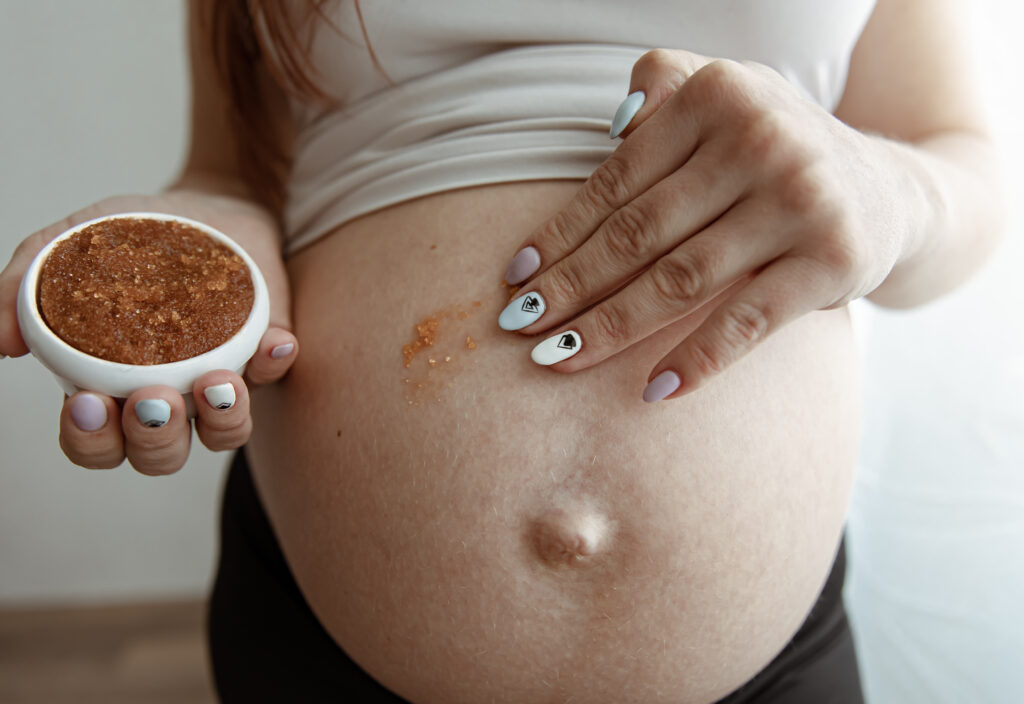
Medically, stretch marks are called striae gravidarum. They form when the middle layer of the skin the dermis stretches faster than collagen and elastin fibers can adapt. This leads to tiny tears beneath the surface.
In early stages, stretch marks on the belly during pregnancy appear red, pink or purple due to visible blood vessels. Over time, they fade into silvery or white lines known as postpartum stretch marks.
Despite popular belief, stretch marks are not caused by dryness alone. Moisturizing helps comfort and itching but it does not prevent the structural changes happening beneath the skin.
Source: CDC: Pregnancy Body Changes, 2023
Why Stretch Marks During Pregnancy Happen Even If You “Did Everything Right”
This is where guilt often creeps in. You drank water. You used oils. You gained weight gradually. Still, stretch marks appeared.
The reason lies in factors beyond control:
- Genetic factors in stretch marks determine skin elasticity
- Hormonal changes in pregnancy, especially cortisol, weaken collagen
- Rapid uterine growth stretches skin faster than it can rebuild
- Increased blood volume makes marks more visible early on
According to the WHO, cortisol levels rise naturally in pregnancy and directly affect collagen strength.
Source: WHO Endocrine Changes in Pregnancy, 2021
The Emotional Weight of Pregnancy Skin Changes No One Talks About
For many women, pregnancy skin changes affect self image more than physical comfort. Stretch marks may feel like permanent reminders of loss of control over one’s body.
UNICEF recognizes maternal body image distress as an overlooked component of prenatal mental health.
Feeling unattractive or “damaged” during pregnancy can increase anxiety and postpartum emotional challenges.
Understanding that stretch marks are normal, common and temporary in appearance helps reduce unnecessary self blame.
Source: UNICEF Maternal Mental Wellbeing Report, 2022
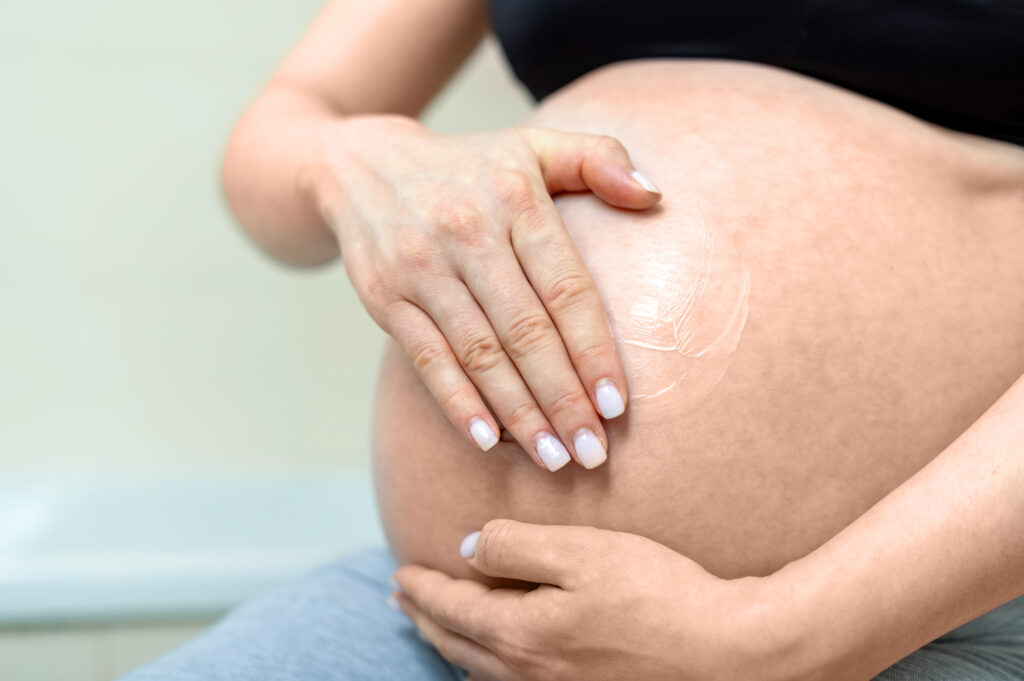
Can You Prevent Stretch Marks During Pregnancy? Here’s the Real Answer
The honest answer: You cannot fully prevent stretch marks during pregnancy but you can support your skin’s resilience.
What actually helps:
- Maintaining steady, healthy weight gain
- Supporting collagen through nutrition
- Reducing skin irritation and itching
- Managing stress hormones
What does not help:
- Expensive miracle creams
- Aggressive massage
- Over promising skincare marketing
No clinical evidence proves any cream can completely stop stretch marks from forming.
Source: CDC Clinical Pregnancy Care Guidelines, 2023
Nutrition for Skin Health in Pregnancy: The Forgotten Foundation
Skin health begins from within. The Pakistan National Nutrition Survey highlights widespread deficiencies in iron, zinc, vitamin C and protein among pregnant women nutrients essential for collagen and skin elasticity.
Key nutrients that support skin:
- Protein (collagen building blocks)
- Vitamin C (collagen synthesis)
- Zinc (skin repair)
- Healthy fats (cell membrane integrity)
Deficiencies increase the likelihood of deeper, more visible stretch marks.
Source: Pakistan National Nutrition Survey, 2018
Stretch Mark Creams During Pregnancy: What Science Actually Says
Most stretch mark creams during pregnancy improve comfort, not prevention. Ingredients like cocoa butter, almond oil, shea butter and hyaluronic acid reduce itching and dryness.
Medical grade retinoids and strong acids are not safe skincare during pregnancy and should be avoided.
Using gentle moisturizers twice daily helps maintain skin comfort and elasticity but expectations must remain realistic.
Source: WHO Pregnancy Skincare Safety Brief, 2022
Why Some Stretch Marks Fade and Others Stay
Over time, are stretch marks permanent? The answer is no but they do not disappear completely.
Most stretch marks:
- Fade within 6 to 12 months postpartum
- Become less visible with time
- Blend into natural skin texture
Laser therapy and microneedling may improve appearance after pregnancy, but they are cosmetic not medical necessities.
Source: CDC Dermatology & Pregnancy Update, 2023
Comparing Myths vs Medical Reality
Belief | Medical Reality |
Oils prevent stretch marks | They reduce dryness only |
Thin women don’t get stretch marks | Genetics matter more |
Stretch marks mean unhealthy pregnancy | They are normal |
They will always look red | They fade naturally |
Stretch Marks During Pregnancy Are Not a Failure They’re Evidence
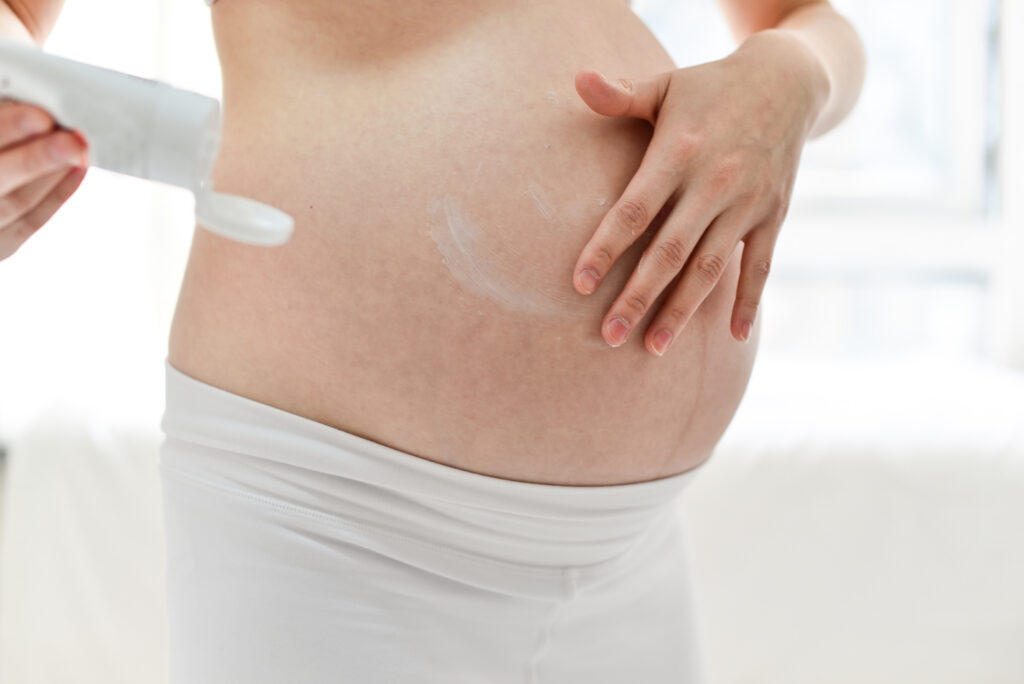
Your body is expanding life. Skin stretches because growth is happening fast and powerfully. Stretch marks are biological proof of adaptation, not neglect.
WHO emphasizes that pregnancy outcomes are measured by maternal and fetal health not cosmetic changes.
Source: WHO Maternal Health Outcomes Framework, 2022
Caring for Your Skin Without Fighting Your Body
Instead of fighting stretch marks, focus on:
- Gentle hydration
- Adequate nutrition
- Emotional reassurance
- Postpartum skin healing
Accepting stretch marks reduces stress and stress directly affects hormone balance and skin healing.
Expert Guided Pregnancy Care Matters More Than Products
Your Journey with Dr. Rafiya Zahir
At https://drrafiyazahir.com/, pregnancy care goes beyond symptoms. Dr. Rafiya Zahir focuses on whole body maternal health, helping women understand what’s normal, what needs attention and how to feel supported not judged through every change.
Book a consultation today and receive evidence based, compassionate prenatal guidance tailored to your body.
Conclusion: The Truth You Deserve to Hear
Stretch marks during pregnancy are not preventable scars or beauty flaws. They are temporary biological markers of transformation. With correct information, supportive care and realistic expectations, they lose their power to create fear.
- Your body is not breaking.
- It is building life.
Your Personalized Fertility Plan with Dr. Rafiya Zahir: Care That Sees the Whole You
At Dr. Rafiya Zahir’s clinic, fertility care is never rushed or standardized. Every personalized fertility plan is built around medical evidence, emotional support and real life practicality.
This approach ensures that couples don’t just receive treatment they receive understanding, direction and confidence.
Learn more at https://drrafiyazahir.com/
Book your personalized fertility consultation today
FREQUENTLY ASKED QUESTIONS
Are stretch marks dangerous during pregnancy?
No. They are purely cosmetic and pose no risk to mother or baby.
When do stretch marks usually appear?
Most commonly in the second or third trimester.
Can drinking water prevent stretch marks?
Hydration supports skin health but does not prevent them entirely.
Do stretch marks mean I gained weight too fast?
Not necessarily. Genetics and hormones play larger roles.