Week 38 of Pregnancy: When Waiting Feels Heavier Than the Belly
The silent shift in childbirth that most women were never prepared for
Week 38 of pregnancy is emotionally intense in a way no one prepares you for. You are officially full term. Your baby could arrive today, tomorrow or two weeks later and that uncertainty weighs heavier than the physical discomfort.
Every sensation feels like a question. Every night feels like a test of patience. And yet, deep inside, your body and baby are working together with extraordinary intelligence.
This guide exists to educate, reassure and empower mothers and partners with real understanding not vague reassurance so this final stage feels informed, not frightening.
Quick information in this blog
Why Week 7 Feels So Intense And Why You’re Not Weak for Feeling This Way
Your Body at 7 Weeks: Subtle Changes That Feel Loud Inside
Missed Period Reality Check: Why It Still Feels Unreal
7 Weeks Pregnant Symptoms: What’s Normal vs What Needs Attention
Why Week 7 Triggers So Much Fear Even When Everything Is Normal
Your Baby at Week 7: A Tiny Architect at Work
Skin, Eyes & Facial Features: The Blueprint Is Being Drawn
Your Baby’s Brain at Week 7: A Developmental Explosion
Fatigue Isn’t Laziness: The Energy Cost of Organ Creation
Baby Growth Snapshot: Week 6 vs Week 7
What to Eat at 7 Weeks Pregnant When Food Feels Like the Enemy
Nausea Survival Mode: What Actually Helps Beyond Ginger Tea
Weight Changes at Week 7: Why the Scale Lies
Brief details about this specific point.
What Not to Do at Week 7 Even If You Feel “Fine”
Brief details about this specific point.
Final thought
Brief details about this specific point.
The Mental Strain of Week 38
By week 38 of pregnancy, many women feel mentally exhausted rather than physically weak. The constant anticipation of labor creates restlessness, irritability and emotional sensitivity.
According to WHO maternal mental health guidance, late term anxiety is common because the brain shifts into a state of heightened alertness. This is a protective mechanism not a flaw.
Solution That Actually Helps
Routine, reassurance and clear expectations calm the nervous system. Understanding what is normal during week 38 of pregnancy reduces fear and restores confidence.

Baby Development at 38 Weeks: Ready for the Outside World
Baby development at 38 weeks focuses on final adjustments rather than major growth. Your baby’s lungs are fully mature, the brain continues refining connections and the immune system strengthens using antibodies passed from the mother.
UNICEF explains that babies born at this stage regulate temperature better, feed more effectively and adapt faster after birth. Your baby is not “almost ready” but they are ready.
Your baby now spends time settling into a comfortable position, usually head down, preparing for the journey through the birth canal.
38 Weeks Pregnant Baby Size: Big Enough to Feel Everywhere
The 38 weeks pregnant baby size averages 49 to 50 cm in length and 3.0 to 3.2 kg in weight.
Fruit Comparison
Your baby is roughly the size of a large pumpkin, dense, round and heavy enough to cause noticeable pressure.
This size explains pelvic discomfort, frequent urination and difficulty changing positions.


Body Changes at 38 Weeks Pregnant: Your Body’s Final Adjustments
The body changes at 38 weeks pregnant feel intense because your body prepares for delivery.
The cervix softens and may begin dilating. Ligaments loosen further, causing pelvic pain and instability. Hormones trigger increased vaginal discharge and bowel changes.
WHO confirms that these changes often occur quietly before labor begins. They are signs of readiness, not danger.
38 Weeks Pregnant Symptoms That Feel Scary But Aren’t
Common 38 weeks pregnant symptoms include irregular contractions, sharp pelvic pains, lower back aches, swelling and sudden bursts of energy known as nesting.
The issue is not the symptoms, it’s the uncertainty they create.
What Helps
Monitoring patterns instead of isolated sensations prevents unnecessary panic. CDC guidance emphasizes consistency over intensity when assessing labor signs.
Signs of Labor at 38 Weeks: Understanding What Truly Matters
Signs of labor at 38 weeks include regular contractions that intensify, water breaking, bloody show and persistent back pain.
False labor feels uncomfortable but inconsistent. True labor progresses steadily.
Knowing this difference reduces stress and unnecessary hospital visits.
What to Eat at 38 Weeks Pregnant: Preparing for Labor Energy
What to eat at 38 weeks pregnant should support endurance, digestion and recovery.
Focus on protein for tissue repair, complex carbohydrates for energy, iron to prevent exhaustion and fluids to prevent dehydration.
WHO and Pakistan National Nutrition Survey highlight anemia and dehydration as major contributors to labor complications, nutrition now matters more than ever.
Avoid heavy, greasy meals that worsen reflux and fatigue.
Exercise at 38 Weeks Pregnant: Movement That Supports Birth
Safe exercise at 38 weeks pregnant improves circulation, reduces swelling and supports optimal baby positioning.
Walking, gentle stretching, pelvic tilts and breathing exercises keep muscles flexible without strain. CDC guidelines encourage light activity as long as comfort allows.
Movement now is about preparation
Things to Avoid During Week 38: Protection Through Awareness
Avoid long travel, heavy lifting, skipping meals, ignoring swelling and excessive stress.
Pakistan’s National Nutrition Survey emphasizes rest and hydration in late pregnancy to reduce complications.
Small precautions now prevent major issues later.
Tests at 38 Weeks Pregnancy: Why Doctors Stay Alert
Tests at 38 weeks pregnancy include blood pressure monitoring, urine analysis, fetal position checks and heart rate assessments.
CDC and WHO recommend close monitoring during full term weeks to identify complications early.
This vigilance exists to protect, not to worry you.
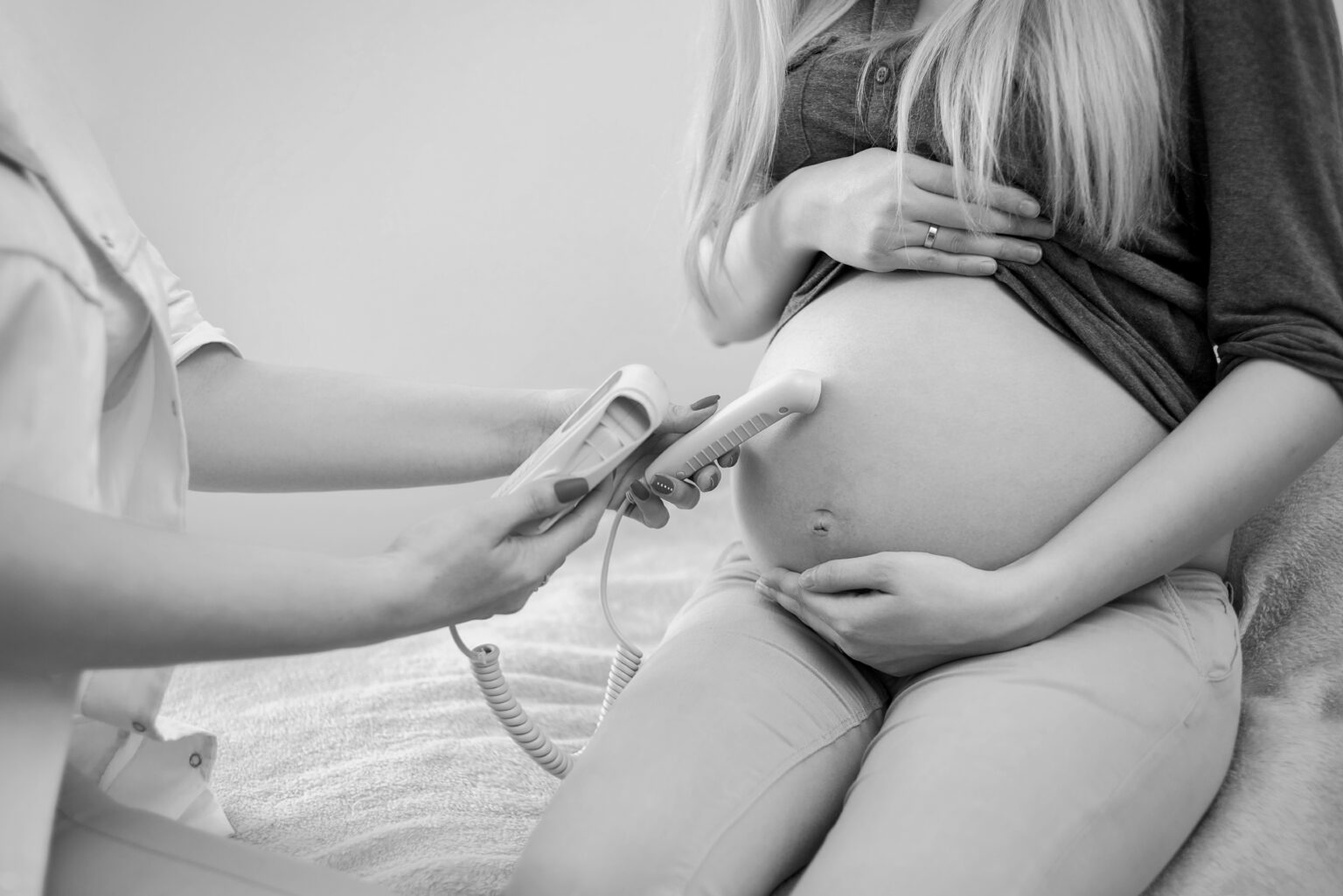
How Week 38 of Pregnancy Prepares Your Baby for the First 24 Hours After Birth
At week 38 of pregnancy, your baby is not just preparing to be born, they are preparing to survive independently outside the womb. This distinction matters deeply.
During this week, your baby’s body stockpiles iron, glycogen and fat reserves. These reserves help stabilize blood sugar, maintain body temperature and support breathing immediately after birth.
According to UNICEF, these final nutrient transfers from mother to baby are critical for reducing newborn complications during the first 24 hours of life.
Why This Matters for Mothers
Many mothers worry if waiting longer is risky. In reality, unless medically advised otherwise, allowing labor to begin naturally at week 38 of pregnancy supports smoother newborn adaptation and breastfeeding initiation.
Your baby is not “just waiting” but they are actively preparing for life.
Blood Loss, Energy & Recovery: Why Week 38 Nutrition Impacts Postpartum Healing
One overlooked reality of week 38 of pregnancy is that what you eat now directly affects how well your body recovers after delivery.
Iron rich foods help reduce postpartum fatigue and dizziness. Protein supports tissue repair after birth. Hydration improves circulation and reduces the risk of excessive fatigue. WHO and Pakistan National Nutrition Survey both highlight late pregnancy nutrition as a predictor of postpartum recovery quality.
Many women reduce food intake due to heartburn or discomfort.
The Smart Solution
Smaller, frequent meals with nutrient dense foods protect energy levels without worsening discomfort. Recovery begins before labor, not after.
Comparison Table: What Your Body Is Doing vs What Your Baby Is Doing at Week 38 of Pregnancy
This table helps expecting parents understand how week 38 of pregnancy is a synchronized effort between mother and baby, not separate experiences.
Aspect | Mother’s Body at Week 38 | Baby’s Body at Week 38 |
Energy Focus | Conserving strength for labor | Storing fat and nutrients |
Hormonal Activity | Cervix softening, ligaments loosening | Stress hormones preparing lungs |
Physical Sensations | Pelvic pressure, back pain, fatigue | Limited space, strong movements |
Immune Preparation | Passing antibodies to baby | Receiving immune protection |
Readiness Level | Preparing for contractions and birth | Ready for breathing and feeding |
Timing Control | Body responds to natural labor signals | Baby releases signals to initiate labor |
Understanding this partnership reduces anxiety. Labor is not something happening to you, it is something happening with you and your baby together.
Hospital Bag Checklist for Pregnancy: Preparing Without Panic
By week 38 of pregnancy, your hospital bag should be fully packed.
Essentials include medical documents, baby clothing, maternity pads, nursing bras, toiletries, phone chargers, snacks and comfort items.
Preparation reduces anxiety and improves labor confidence.
Advice for Both Parents: Strength Comes From Teamwork
Partners play a crucial role during week 38 of pregnancy. Emotional reassurance, practical help and calm presence directly affect maternal stress levels.
UNICEF research shows supportive partners improve birth outcomes and postpartum recovery.
This is a shared journey even if one body carries the baby.
Conclusion:
Week 38 of pregnancy is not about waiting impatiently.
- It’s about trusting a process that has been unfolding perfectly for months.
- Your body knows what to do.
- Your baby is ready.
- And you are stronger than you feel.
Is week 38 safe for delivery?
Yes, babies are fully developed.
Can labor start without warning?
Yes, labor can begin suddenly.
Is pelvic pain normal now?
Yes, due to ligament softening.
Should movements slow down?
They feel stronger but less frequent.
Schedule
An Appointment
If you are in need of medical assistance, whether it be for a routine checkup or for a specific medical concern contact us.

Schedule
An Appointment
If you are in need of medical assistance, whether it be for a routine checkup or for a specific medical concern contact us.
Join Our Growing Online
Community
Stay connected with Dr. Rafiya Zahir and become part of an engaging community committed to women’s healthcare in Pakistan by joining us on various social media platforms.