Week 39 of Pregnancy: The Waiting, the Wonder and the Quiet Strength Before Birth
Week 37 of pregnancy feels different because it is different.
Week 39 of pregnancy is unlike any other week you’ve lived. You are no longer preparing for pregnancy, you are preparing for birth. Your body feels stretched, tired and unfamiliar, yet incredibly powerful. Your mind moves between calm acceptance and restless anticipation.
This is not just another week in the pregnancy calendar. Week 39 of pregnancy is the doorway between carrying life and meeting it.
Quick information in this blog
Why Week 7 Feels So Intense And Why You’re Not Weak for Feeling This Way
Your Body at 7 Weeks: Subtle Changes That Feel Loud Inside
Missed Period Reality Check: Why It Still Feels Unreal
7 Weeks Pregnant Symptoms: What’s Normal vs What Needs Attention
Why Week 7 Triggers So Much Fear Even When Everything Is Normal
Your Baby at Week 7: A Tiny Architect at Work
Skin, Eyes & Facial Features: The Blueprint Is Being Drawn
Your Baby’s Brain at Week 7: A Developmental Explosion
Fatigue Isn’t Laziness: The Energy Cost of Organ Creation
Baby Growth Snapshot: Week 6 vs Week 7
What to Eat at 7 Weeks Pregnant When Food Feels Like the Enemy
Nausea Survival Mode: What Actually Helps Beyond Ginger Tea
Weight Changes at Week 7: Why the Scale Lies
Brief details about this specific point.
What Not to Do at Week 7 Even If You Feel “Fine”
Brief details about this specific point.
Final thought
Brief details about this specific point.
Which Trimester Is Week 39 of Pregnancy and Why Your Body Feels “Done”(
You are at the very end of the third trimester during week 39 of pregnancy, and medically, this is considered a full term pregnancy. According to the World Health Organization (WHO), babies born between 39 and 40 weeks have the best outcomes for breathing, feeding and temperature regulation.
The exhaustion you feel now is not accidental. Your body has completed months of intense work and is conserving energy for labor. Feeling “done” does not mean something is wrong, it means your body is ready.
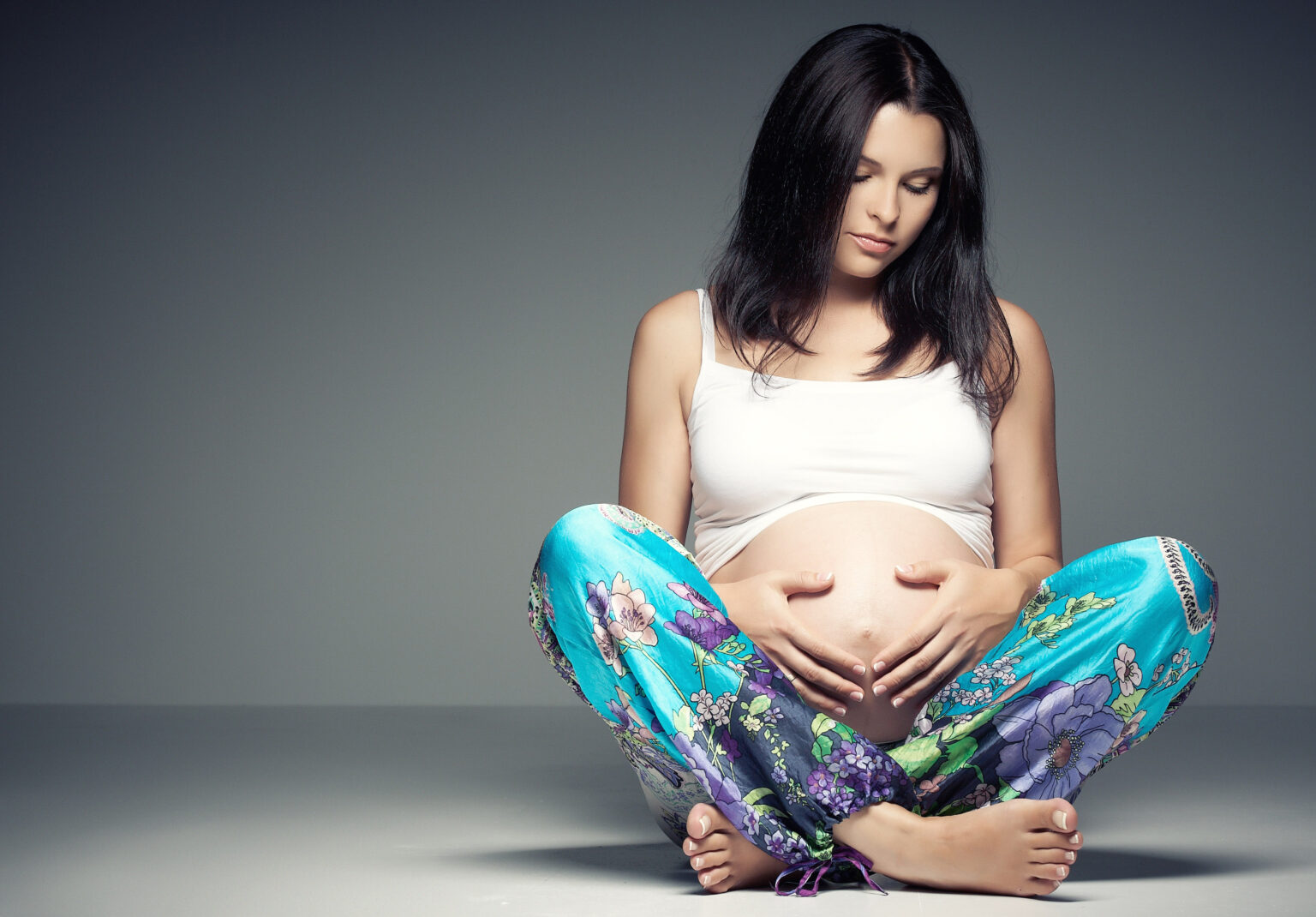
Baby Development at Week 39 of Pregnancy: Fully Grown, Perfectly Prepared
At week 39 of pregnancy, your baby’s development is essentially complete. All major organs are fully formed and the lungs have matured enough to function independently. The brain continues subtle development, particularly in areas related to breathing, feeding and alertness.
According to the CDC, babies born at this stage have stronger immune systems and better long term health outcomes. Your baby is now practicing sucking, swallowing, blinking and even small hand movements, preparing for life outside the womb.
Baby Size at Week 39 of Pregnancy: Your Baby Is the Size of a Mini Watermelon
By week 39 of pregnancy, your baby weighs between 3 to 3.5 kilograms and measures about 19 to 20 inches long. To picture this clearly, your baby is roughly the size of a small watermelon, full, heavy and occupying nearly every inch of your uterus.
This explains why baby size at 39 weeks brings intense pelvic pressure, difficulty walking and a constant feeling of heaviness. There is simply no extra room left.


Week 39 Pregnancy Symptoms: When Every Sensation Feels Like a Question
The week 39 pregnancy symptoms are often the most intense of the entire journey. You may feel strong pelvic pressure, lower back pain, cramping, frequent bowel movements, insomnia, heartburn, swollen feet and sharp twinges in the pelvis known as lightning pain.
The problem many mothers face is anxiety wondering which symptoms are normal and which mean labor has started. The solution lies in understanding patterns. Irregular cramps and pressure are common but rhythmic contractions that increase in intensity, water breaking or bloody show signal labor and require immediate medical attention, as emphasized by WHO and CDC guidelines.
Body Changes at Week 39 of Pregnancy: Your Body Is Rewriting Its Blueprint
During week 39 of pregnancy, your body undergoes profound physical changes. The cervix softens and may begin to dilate. Ligaments loosen further, making movements feel unstable. Your center of gravity shifts dramatically, affecting posture and balance.
The Pakistan National Nutrition Survey highlights that late pregnancy increases physical strain, especially when iron or protein intake is inadequate. Supporting your body now with rest, hydration and proper nutrition is essential.
Emotional Changes at Week 39: Calm, Fear, Excitement All at Once
Emotionally, week 39 of pregnancy can feel overwhelming. You may feel peaceful one moment and deeply anxious the next. Fear of labor pain, concern for the baby and anticipation of life changes coexist.
The CDC notes that emotional readiness plays a significant role in labor experience. Talking openly with your partner or healthcare provider helps normalize these feelings and reduces emotional tension.
What to Eat at Week 39 of Pregnancy: Nourishment for Labor and Recovery
Nutrition at week 39 of pregnancy focuses less on growth and more on stamina. Your body needs energy for labor and recovery. Foods rich in complex carbohydrates, protein, iron and fluids are especially important.
The Pakistan National Nutrition Survey emphasizes that iron deficiency near delivery increases exhaustion and recovery time. Eating balanced meals with fruits, vegetables, whole grains, dairy and lean proteins supports strength and endurance during labor.
Foods to Avoid at Week 39 of Pregnancy: Reducing Risk at the Finish Line
Avoid raw foods, unpasteurized dairy, excessive caffeine, spicy or greasy foods and heavily processed items during week 39 of pregnancy. These can cause digestive upset, dehydration or infection risks just before delivery.
The solution is gentle, nourishing meals that support digestion and hydration.
Exercise at Week 39 of Pregnancy: Movement That Supports Labor
Gentle movement during week 39 of pregnancy helps keep joints flexible and improves circulation. Walking, slow stretching, breathing exercises and pelvic tilts can reduce discomfort and encourage optimal baby positioning.
WHO recommends light physical activity unless medically restricted. Movement should feel calming, not exhausting.
Things to Avoid at Week 39: Protecting Your Energy and Safety
Avoid long travel, heavy lifting, overexertion and ignoring warning signs during week 39 of pregnancy. This is the time to stay close to your healthcare facility and listen carefully to your body.

Tests and Monitoring at Week 39 of Pregnancy: Final Safety Checks
During week 39 of pregnancy, routine prenatal tests focus on blood pressure, fetal heart rate, baby position and signs of labor. Some providers may recommend non stress tests to assess fetal well being.
According to CDC antenatal care guidelines, these checks ensure both mother and baby remain safe while awaiting labor.
Packing the Hospital Bag at Week 39: Preparing for the Big Moment
Packing your hospital bag during week 39 of pregnancy is both practical and emotional. Essentials include comfortable clothing, maternity pads, baby clothes, diapers, important documents, toiletries, chargers and comfort items.
Being prepared reduces anxiety and restores a sense of control during an unpredictable time.
Advice for Both Parents at Week 39: Becoming a Team Before Birth
At week 39 of pregnancy, emotional support matters as much as physical help. Partners can assist by staying calm, offering reassurance, managing logistics and being present during moments of fear or doubt.
Shared readiness strengthens confidence and connection.
Understanding the Difference Between False Labor and True Labor
False labor contractions are irregular and often ease with rest. True labor contractions become regular, stronger and closer together. Understanding this difference helps reduce unnecessary stress and hospital visits.
Mental Preparation for Birth at Week 39
Mental readiness is powerful. Visualization, breathing techniques and trust in your body help reduce fear. WHO emphasizes that informed, calm mothers often experience smoother labor experiences.
Quick Comparison: Is This Normal at Week 39 of Pregnancy or Is It Labor?
What You’re Feeling | Normal at Week 39 of Pregnancy | Likely True Labor |
Contractions | Irregular, come and go | Regular, stronger, closer together |
Pain Pattern | Mild, inconsistent | Rhythmic, increasing intensity |
Movement Effect | Improves with rest or position change | Does not stop with movement |
Vaginal Changes | Thick discharge | Bloody show or fluid leak |
What to Do | Rest, hydrate, monitor | Go to hospital or call doctor |
At week 39 of pregnancy, your body sends mixed signals. This table helps you pause, assess and respond calmly without panic or delay.
Conclusion: Week 39 of Pregnancy Is the Pause Before Everything Changes
Week 39 of pregnancy is not empty waiting, it is sacred preparation. Your body knows what to do. Your baby is ready. Trust the process, trust yourself and allow this final chapter to unfold naturally.
Is it normal to feel pressure at week 39 of pregnancy?
Yes, it’s common as the baby moves lower.
Can labor start suddenly now?
Yes, without warning.
Should I reduce activity now?
Yes, conserve energy while staying gently active.
Can I still exercise?
Yes, gently and consistently.
Schedule
An Appointment
If you are in need of medical assistance, whether it be for a routine checkup or for a specific medical concern contact us.

Schedule
An Appointment
If you are in need of medical assistance, whether it be for a routine checkup or for a specific medical concern contact us.
Join Our Growing Online
Community
Stay connected with Dr. Rafiya Zahir and become part of an engaging community committed to women’s healthcare in Pakistan by joining us on various social media platforms.