Calm Mind, Ready Body: The Hidden Fertility Battle Between Spiritual Peace and Stress Hormones
Why Emotional Calm Isn’t Just Spiritual, It’s Biological Fertility Medicine
Many infertility patients spend months testing hormones, fallopian tubes, egg reserve and sperm quality, yet one major biological factor often hides in plain sight. Chronic stress. The relationship between stress and reproduction is deeply biological, not just emotional. When the body senses prolonged stress, survival systems activate and reproduction becomes a lower priority.
This is where lower cortisol fertility conception chances become a medically meaningful goal, not just a wellness phrase.
The stress hormone cortisol directly interferes with reproductive hormone signaling. When cortisol remains high, ovulation signals weaken, egg maturation quality drops and uterine receptivity may decrease. Many patients assume fertility problems are always structural or hormonal in isolation but in reality, stress hormones can disrupt entire reproductive pathways silently.
This is why stress and infertility connection research has grown significantly in recent years, especially in populations facing prolonged emotional or lifestyle stress.
Research discussions in maternal and reproductive health frameworks supported by the World Health Organization emphasize that chronic physiological stress can influence endocrine function, immune stability and metabolic regulation all of which indirectly impact reproductive health outcomes.
Quick information in this blog
Why Week 7 Feels So Intense And Why You’re Not Weak for Feeling This Way
Your Body at 7 Weeks: Subtle Changes That Feel Loud Inside
Missed Period Reality Check: Why It Still Feels Unreal
7 Weeks Pregnant Symptoms: What’s Normal vs What Needs Attention
Why Week 7 Triggers So Much Fear Even When Everything Is Normal
Your Baby at Week 7: A Tiny Architect at Work
Skin, Eyes & Facial Features: The Blueprint Is Being Drawn
Your Baby’s Brain at Week 7: A Developmental Explosion
Fatigue Isn’t Laziness: The Energy Cost of Organ Creation
Baby Growth Snapshot: Week 6 vs Week 7
What to Eat at 7 Weeks Pregnant When Food Feels Like the Enemy
Nausea Survival Mode: What Actually Helps Beyond Ginger Tea
Weight Changes at Week 7: Why the Scale Lies
Brief details about this specific point.
What Not to Do at Week 7 Even If You Feel “Fine”
Brief details about this specific point.
Final thought
Brief details about this specific point.
The Biological Stress Alarm: How Cortisol Disrupts Female Fertility Hormones
Cortisol is not a “bad hormone.” It is essential for survival. But when it stays elevated for long periods, it begins competing with reproductive hormone production. This is why high cortisol female fertility issues often appear in patients with unexplained infertility.
Cortisol suppresses GnRH signaling from the brain, which then reduces LH and FSH hormone balance needed for ovulation. Over time, this hormonal interference can cause delayed ovulation or inconsistent cycle patterns. Many women experiencing stress stop ovulation scenarios are actually experiencing cortisol driven reproductive suppression.
Data patterns linked to maternal health monitoring initiatives referenced by UNICEF emphasize that long term stress exposure affects maternal health systems including immune response, hormonal balance and nutritional absorption. These systems are directly linked to reproductive success potential.
The Emotional Spiritual Puzzle: Feeling Calm vs Being Biologically Calm
Many infertility patients practice prayer, meditation or spiritual grounding, yet still experience fertility delays. This happens because emotional calm and biological calm are not always synchronized. You can feel mentally peaceful but still carry chronic biological stress patterns. This is where spiritual healing infertility stress must be paired with biological stress reduction strategies like sleep repair, blood sugar balance and anti-inflammatory nutrition.
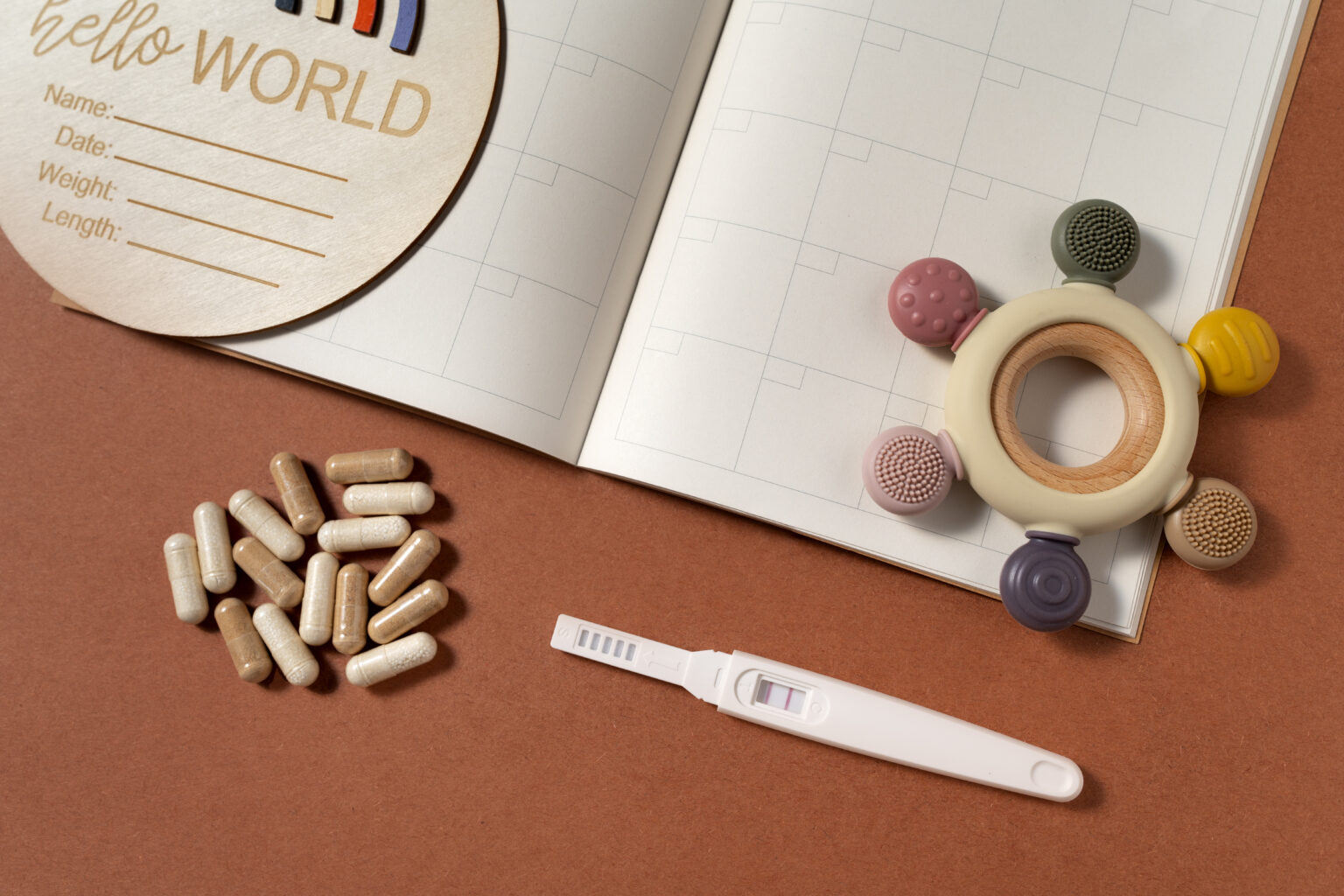
The Fertility Hormone Domino Effect Triggered By Chronic Stress
When cortisol rises, progesterone production may fall because both hormones share precursor pathways. This creates luteal phase instability. This hormonal imbalance often explains early pregnancy losses or implantation failure in some patients. This is why mental health fertility hormones research increasingly highlights integrated reproductive care.
Collaborative reproductive health research observations often referenced by Centers for Disease Control and Prevention global endocrine and metabolic health data reviews show chronic stress contributes to systemic inflammation patterns that indirectly affect reproductive success rates.


The Egg Protection Window Why 90 Days Before Conception Matters Most
Egg maturation begins approximately 90 days before ovulation. During this window, egg cells are highly sensitive to oxidative stress and hormonal environment. If cortisol remains high during this period, egg mitochondrial energy production can weaken. This explains why stress affects egg quality has become a major fertility research focus globally.
The solution is early stress management, not last-minute relaxation after fertility treatment begins.
The Mind Body Fertility Circuit: Why Thoughts Become Hormones
The brain constantly scans emotional safety signals. When it detects stress, it shifts energy toward survival, not reproduction. This is why the mind body fertility connection is biologically measurable. Chronic anxiety increases inflammatory cytokines, insulin resistance risk and hormonal instability.
The “Body Safety Signal” Theory: Why Your Brain Must Feel Safe Before Pregnancy Happens
Many infertility patients focus only on ovaries, hormones, or egg count, but the brain plays a gatekeeping role in reproduction. If your nervous system constantly senses threat emotional, financial, physical or relationship stress it may suppress reproductive hormone signaling. This survival response is not your body failing; it is your body protecting you.
When patients start nervous system calming strategies like breathing regulation, emotional therapy or spiritual grounding, hormone signals often stabilize naturally.
This is why fertility treatment works best when emotional safety and biological stability improve together.
Comparison Table: High Cortisol vs Balanced Cortisol Fertility Effects
Factor | Chronic High Cortisol | Balanced Cortisol |
Ovulation | Irregular or delayed | Predictable cycle |
Egg Quality | Higher oxidative stress | Stable mitochondrial energy |
Uterine Environment | Inflammatory risk | Stable implantation support |
Hormone Balance | Progesterone suppression | Balanced estrogen progesterone |
Conception Probability | Reduced | Improved |

The Hidden Fertility Energy Thief Blood Sugar Spikes
Blood sugar spikes trigger cortisol release. Many infertility patients focus on supplements but ignore glucose stability. Stable blood sugar directly supports fertility stress management natural strategies because insulin and cortisol interact hormonally.
The Emotional Timeline Of Infertility Stress
Infertility often creates cycles of hope and disappointment. Over time, this creates chronic baseline stress, even when patients feel emotionally “used to it.” This explains emotional stress conception delay patterns in long term infertility journeys.
The Inflammation Link Between Stress And Reproductive Failure
Stress increases inflammatory markers, which may disrupt implantation environment quality. This supports research into hormonal imbalance stress infertility patterns across different reproductive populations.
The Sleep Fertility Reset Most Patients Ignore
Deep sleep lowers cortisol naturally. Patients sleeping less than 6 hours often show higher morning cortisol spikes. This directly affects ovulation timing and egg maturation quality. Sleep is one of the strongest natural fertility regulators.
Micro Stress Habits That Quietly Damage Fertility Over Time
Not all stress is dramatic. Small daily stress habits slowly increase cortisol. Examples include skipping meals, doom scrolling at night, poor sleep timing, caffeine overload and constant multitasking.
These micro-stressors slowly shift hormone balance and increase inflammation. When patients fix small daily stress leaks, fertility improvement often happens faster than expected. Think of it like fixing tiny water leaks before they flood the house. Fertility restoration often begins with fixing small daily patterns, not only big life stress.
Spiritual Peace As Biological Therapy
Spiritual grounding practices reduce sympathetic nervous system activation. This directly lowers cortisol output over time. When combined with nutrition and sleep repair, this becomes powerful biological fertility preparation.
The Solution Strategy: Reproductive Stress Recovery Framework
True fertility preparation includes nervous system regulation, anti-inflammatory nutrition, sleep restoration and emotional resilience building. This is how patients truly lower cortisol fertility conception chances naturally and sustainably.
Conclusion: Your Body Is Not Broken It Might Just Be Over Protected
Infertility is not always reproductive failure. Sometimes it is survival biology working too well. When the body feels safe, reproduction becomes possible again. Supporting stress regulation is not a weakness. It is biological intelligence.
Personal Fertility Support Guidance
If stress, cycle irregularity or unexplained infertility feels overwhelming, personalized reproductive hormone and stress management guidance can help restore balance.
Can stress alone cause infertility?
Chronic stress can disrupt ovulation and hormone balance, which may delay conception.
Can meditation improve fertility chances?
Meditation helps reduce cortisol, which may support hormone balance indirectly.
How long does cortisol affect egg quality?
Egg development cycles last about 90 days, so stress effects may influence egg health months before ovulation.
Is cortisol testing useful in infertility workups?
In some cases, evaluating stress hormone patterns helps identify hidden fertility barriers.
Schedule
An Appointment
If you are in need of medical assistance, whether it be for a routine checkup or for a specific medical concern contact us.

Schedule
An Appointment
If you are in need of medical assistance, whether it be for a routine checkup or for a specific medical concern contact us.
Join Our Growing Online
Community
Stay connected with Dr. Rafiya Zahir and become part of an engaging community committed to women’s healthcare in Pakistan by joining us on various social media platforms.