Baby Growth During Pregnancy in Ramadan: “Kya Roza Rakhne Se Mera Bacha Kamzor Paida Hoga?” The Question Every Expecting Mother Quietly Asks
Ramadan is spiritual. It is emotional. It is deeply personal.
Ramadan is spiritual. It is emotional. It is deeply personal.
But when you are pregnant, it becomes complicated.
You stand in prayer, your hands raised and somewhere between duas, one question whispers inside your heart: Will fasting harm my baby?
The fear is real. The guilt is real. The confusion is real.
Many mothers hesitate to ask openly, but the concern about baby growth during pregnancy in Ramadan sits heavy. Some worry about low birth weight. Others worry about weakness. Some fear dehydration. And many silently ask, Is my baby getting enough?
Let’s address this medically, honestly and compassionately.
Quick information in this blog
Why Week 7 Feels So Intense And Why You’re Not Weak for Feeling This Way
Your Body at 7 Weeks: Subtle Changes That Feel Loud Inside
Missed Period Reality Check: Why It Still Feels Unreal
7 Weeks Pregnant Symptoms: What’s Normal vs What Needs Attention
Why Week 7 Triggers So Much Fear Even When Everything Is Normal
Your Baby at Week 7: A Tiny Architect at Work
Skin, Eyes & Facial Features: The Blueprint Is Being Drawn
Your Baby’s Brain at Week 7: A Developmental Explosion
Fatigue Isn’t Laziness: The Energy Cost of Organ Creation
Baby Growth Snapshot: Week 6 vs Week 7
What to Eat at 7 Weeks Pregnant When Food Feels Like the Enemy
Nausea Survival Mode: What Actually Helps Beyond Ginger Tea
Weight Changes at Week 7: Why the Scale Lies
Brief details about this specific point.
What Not to Do at Week 7 Even If You Feel “Fine”
Brief details about this specific point.
Final thought
Brief details about this specific point.
What Actually Determines Baby Growth During Pregnancy in Ramadan?
The most important medical truth is this: fetal growth depends on total nutrition over 24 hours not on whether those calories were consumed during daylight.
Research referenced in WHO maternal nutrition guidelines and UNICEF maternal health guidance emphasizes that consistent, adequate maternal nutrition is the cornerstone of healthy fetal development. The CDC pregnancy nutrition recommendations highlight sufficient protein, iron, folic acid, calcium and overall caloric adequacy as primary drivers of growth.
If a pregnant woman maintains proper caloric intake during pregnancy, consumes nutrient dense meals at Sehri and Iftar and stays hydrated during non-fasting hours, baby growth during pregnancy in Ramadan is usually not compromised in healthy pregnancies.
The keyword here is adequacy, not timing.
The Emotional Tug-of-War: Faith vs Fear
Many women feel torn between devotion and protection.
Islam provides clear flexibility. According to scholarly consensus on the Islamic ruling on fasting while pregnant, pregnant women are exempt if fasting poses harm to them or the baby. This is not a weakness. It is mercy.
Yet culturally, some women feel pressured. They fear judgment. They worry people will say, “Bas ek roza hi to hai.”
But pregnancy is not “just anything.” It is a state of increased metabolic demand. Blood volume rises. Nutrient needs rise. Energy expenditure rises.
You are not eating for two but you are nourishing two.
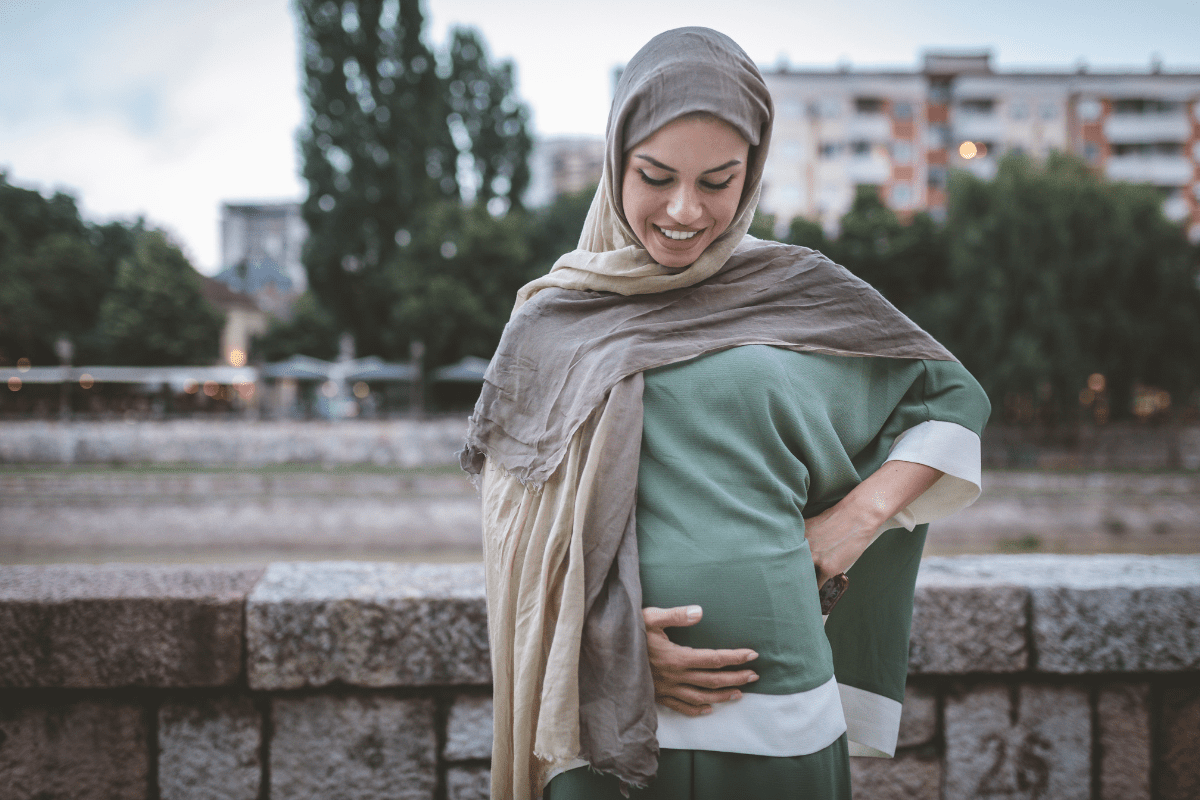
The Hormone Domino Effect: When Fasting Alters Ovulation Signals
Studies examining fasting during pregnancy show mixed results. In healthy, low risk pregnancies, short term fasting does not consistently show a severe impact on birth weight. However, prolonged dehydration, poor nutrition or high risk pregnancies can alter outcomes.
The key risk factors include:
- Pre-existing anemia
- Gestational diabetes
- Hypertension
- Twin pregnancy
- Underweight mothers
- History of preterm birth
In such cases, fasting can increase risk.
So when mothers ask, “Is fasting safe in pregnancy?” The answer is: it depends on your individual medical condition.


The Role of Calories: It’s Not the Fast, It’s the Fuel
The most misunderstood concept around baby growth during pregnancy in Ramadan is calories.
If you skip food for 14 hours but compensate with balanced, sufficient intake at Sehri and Iftar, your baby continues receiving nutrients.
But if you fast and then eat very little, avoid protein, skip hydration and consume mostly fried snacks, then yes, growth may suffer.
This is why high quality calories in pregnancy matter more than just eating “something.”
Your baby needs:
- Protein for tissue growth
- Iron for oxygen supply
- Calcium for bones
- DHA for brain development
- Adequate glucose for energy
It’s about density, not quantity alone.
Sehri and Iftar: A Strategic Plan for Ramadan Pregnancy Nutrition
Let’s talk practically about Ramadan pregnancy nutrition.
Sehri should not be just tea and toast. It must include protein, fiber and slow releasing carbohydrates.
A smart Sehri and Iftar meal plan for pregnant women includes:
Sehri: Eggs or lentils, whole wheat roti, milk, nuts, fruit, and water.
Iftar: Dates (1 or 2), lean meat or chicken, vegetables, pulses, yogurt and hydration.
Avoid excess fried pakoras and sugary drinks. They spike glucose but do not sustain energy.
Spacing hydration between Iftar and Sehri reduces dehydration in pregnancy, which can otherwise cause dizziness, weakness and reduced placental blood flow.
Fetal Movement During Ramadan: Your Baby’s Silent Language
One powerful indicator of well being is fetal movement during Ramadan.
If you notice decreased baby movements, especially after Iftar or late at night, that is a warning sign.
Movement reflects oxygenation and energy supply. Reduced activity may indicate maternal dehydration or low glucose levels.
If movements drop significantly, break the fast and seek medical advice immediately.
Your baby communicates quietly. Listen.
Warning Signs: When to Stop Fasting During Pregnancy
You should stop fasting if you experience:
- Persistent dizziness
- Fainting
- Severe headache
- Reduced fetal movement
- Contractions
- Vaginal bleeding
- Extreme weakness
- Signs of dehydration
Knowing when to stop fasting during pregnancy is not failure. It is a responsibility.
Comparing Safe vs Risky Fasting Situations
Safe to Consider Fasting | Not Recommended to Fast |
Healthy single pregnancy | Twin pregnancy |
Normal hemoglobin | Severe anemia |
Stable blood sugar | Gestational diabetes |
Normal fetal growth | Growth restriction |
Adequate weight gain | Underweight mother |
Medical consultation makes all the difference.
How Trimester Changes Affect Baby Growth During Pregnancy in Ramadan
First trimester nausea may make fasting harder due to vomiting and dehydration.
The second trimester is often the safest period if the mother is low-risk.
The third trimester demands higher calories. Prolonged fasting late in pregnancy may increase fatigue and risk of dehydration.
This means timing matters.
Hydration: The Silent Hero of Pregnancy in Ramadan
Water is not optional. It is critical.
Dehydration thickens blood. Thickened blood reduces uteroplacental circulation.
WHO maternal care guidelines emphasize fluid balance in maternal health.
Drink at least 8 to 10 glasses between Iftar and Sehri.
Do not rely on tea or cola. They worsen fluid loss.
Professional Fertility Guidance Matters
If you are struggling with infertility and fasting decisions, personalized medical guidance matters. Evidence based fertility counseling helps balance cultural practices with reproductive safety.
Learn more at: https://drrafiyazahir.com/
Conclusion: Protection Is Also Worship
Your baby depends on your body.
If you can fast safely with medical approval and proper nutrition, many healthy pregnancies continue without complications.
If you cannot, Islam gives you relief.
Faith and medicine are not enemies.
They work together.
Need Personalized Guidance This Ramadan?
Every pregnancy is unique.
If you are unsure about fasting and concerned about baby growth during pregnancy in Ramadan, consult a qualified obstetrician for individualized advice.
Visit: http://www.drrafiyazahir.com/
Your peace of mind matters. Your baby’s safety matters even more.
Is fasting harmful in early pregnancy?
If nausea is severe or dehydration occurs, it may be unsafe.
Can fasting cause low birth weight?
Poor nutrition can but well managed Ramadan pregnancy nutrition reduces risk.
How do I know if the baby is okay while fasting?
Monitor fetal movement during Ramadan and attend regular checkups.
Should I fast if I have anemia?
Severe anemia increases risk; consult your doctor first.