How to Prepare for Your First Pregnancy: The Complete Doctor Backed Guide for Pakistani & Overseas Pakistani Women
A practical, culturally aware roadmap for Pakistani and overseas Pakistani women planning motherhood for the first time
Planning Your First Baby? Follow This Doctor Approved Blueprint for a Healthy and Stress Free Pregnancy.
Your first pregnancy begins long before the two pink lines appear. It begins in the quiet moments when you wonder, “Will I be a good mother?”, “Will my baby be healthy?”, “Am I even ready for this?”
Becoming a mother for the first time is one of life’s most emotional transitions. You dream of holding a healthy baby, feeling confident through every trimester and stepping into motherhood with clarity rather than fear, a peaceful mind and a body strong enough to support a new life.
This guide is written to help make that dream your reality. It gives you the doctor backed, emotionally supportive, step by step roadmap to prepare your body and mind for your first pregnancy with clarity, confidence and calm.
Quick information in this blog
1. Why Preparing Before Pregnancy Changes Everything?
A Healthy Baby Starts With a Healthy You. Science Shows Preparation Matters.
Preparing before conception isn’t an unnecessary “extra step.” It is one of the most powerful things you can do to protect your baby and yourself.
But there’s a deeper truth: the World Health Organization reports that more than 40% of South Asian women are anemic and many enter pregnancy without knowing they have vitamin deficiencies or hormonal imbalances.
These hidden issues can affect your fertility, your baby’s development and your pregnancy experience In Pakistan, where rates of anemia and Vitamin-D deficiency are among the highest in South Asia (UNICEF NNS 2018), preparation becomes even more essential especially for first time moms almost all of them are preventable with the right preparation.
This guide is your step by step, culturally aware, emotionally supportive roadmap to preparing your body, mind and life for a healthy first pregnancy.
Preparing early means you correct issues before they affect your baby. WHO, UNICEF, CDC, and Pakistan National Nutrition Survey report that
- Taking folic acid before pregnancy reduces the risk of neural tube defects by up to 72%.
- Iron deficiency is one of the leading causes of preventable pregnancy complications among South Asian women.
- Recommend early screening for anemia, thyroid disorders and infections because preconception care significantly reduces maternal and newborn mortality.
- Half of pregnancies are unplanned globally, meaning many women start pregnancy nutritionally unprepared.
- 52% of Pakistani women are anemic, which increases the risks of preterm birth and low birth weight.
Preconception preparation can reduce miscarriage risk and the chances of anemia and nutrient deficiencies are lower.Prevents neural tube defects by up to 70% through folic acid and supports healthy fetal brain and spine development. Improve fertility for both partners while reducing complications like gestational diabetes and high blood pressure.
2. Pakistan & Diaspora Specific Health Risks Most Women Aren’t Told About

Pakistani women, whether living in Pakistan or abroad, often carry unique health challenges such as vitamin D deficiency, anemia, thyroid disorders and undiagnosed PCOS.
Cultural diets, busy lifestyles, long working hours overseas and limited access to culturally aligned medical guidance can make preparation even more difficult.
By preparing early, you protect yourself from hidden risks and give your future baby the healthiest possible start with knowledge, confidence, and control.
3. Your First Pregnancy Reality Check: What No One Warns You About!
“Most Women Miss These Warning Signs Don’t Be One of Them.”
Many first time moms assume they’re healthy just because their periods come “more or less regularly.” But several silent issues can delay pregnancy or cause complications if ignored.
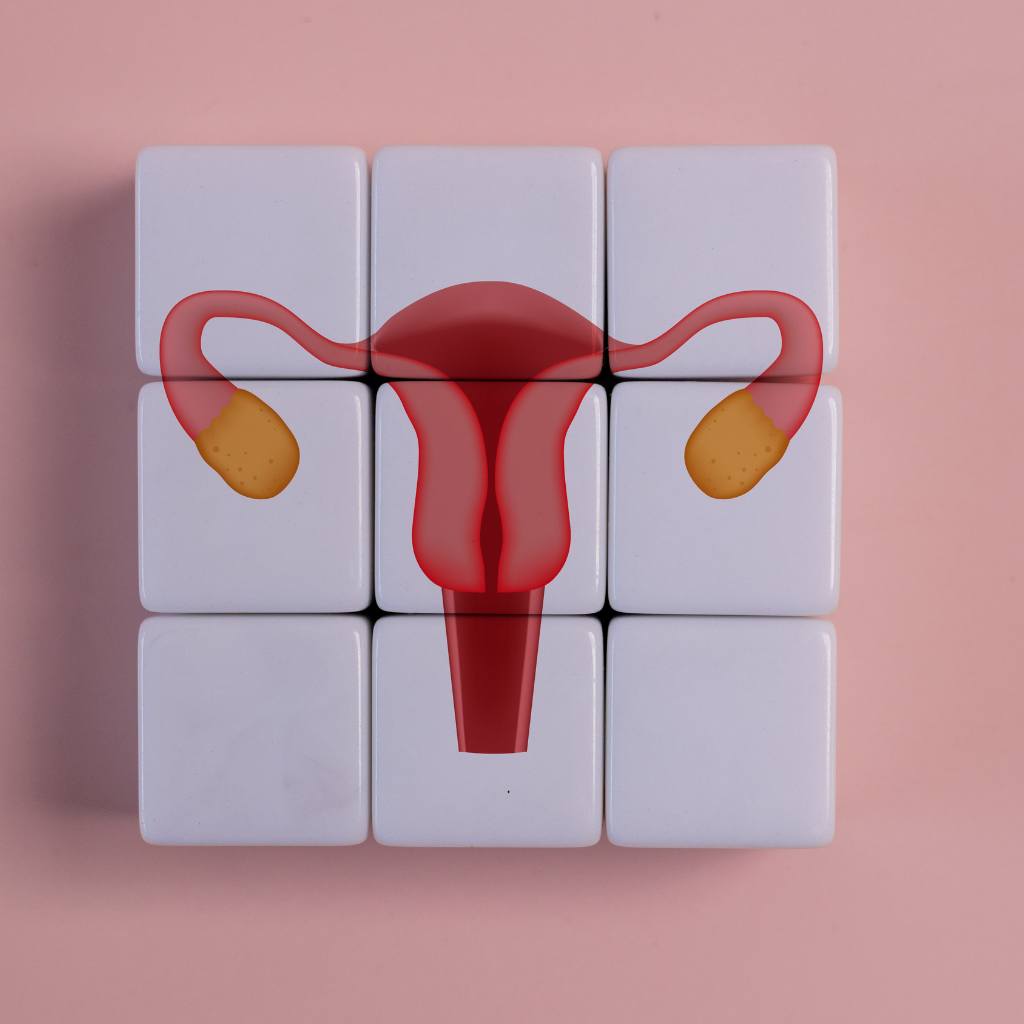
PCOS (Polycystic Ovary Syndrome):
Often unnoticed for years. Can cause irregular ovulation, delayed conception and higher risk of gestational diabetes if unmanaged.
Thyroid Disorders (Hypothyroidism/Hyperthyroidism):
Symptoms are subtle like fatigue, weight changes and hair loss. Untreated thyroid imbalance increases miscarriage and developmental risks.
Anemia (Iron Deficiency):
Very common in Pakistani women. Leads to extreme fatigue, faintness, preterm birth and postpartum hemorrhage if not corrected early.
Vitamin D Deficiency:
A silent epidemic among South Asians. Affects fertility, immune health and can impact baby’s bone development.
Irregular Cycles:
Not just an inconvenience. They often signal hormonal imbalance, ovulation disruption or PCOS all of which delay pregnancy
Why these matter
Left untreated, these conditions can cause delays in conception, early miscarriages or complicated pregnancies all preventable with early screening.
Understanding these issues early gives you months not minutes to fix them before conception.
4. Doctor Recommended Preconception Timeline: What to Do and When
Follow This Timeline: What to Do, When and Why”
Below is your structured, medical grade preconception plan, based on WHO, NHS and ACOG guidelines:
PRECONCEPTION TIMELINE TABLE
Timeframe | What You Should Do | Tests to Order | Supplements & Vaccines | Why It Matters |
3 months before trying | Begin healthy diet, exercise, stop smoking, reduce caffeine, book preconception visit | CBC (Hb), TSH, Fasting glucose/HbA1c, Rubella IgG, HBsAg, Vitamin D, B12 | Start folic acid 400 mcg, iron and vitamin D if low, avoid harmful meds | Fixes nutrient/hormone issues before pregnancy |
6 to 8 weeks before trying | Weight optimization, partner lifestyle improvements, stress management | AMH (if concerned), pelvic ultrasound | Continue folic acid and add omega-3 if advised | Improves ovarian and sperm health |
When you start trying | Track ovulation, maintain supplements, book early antenatal appointment | Repeat Hb if low, infection screens if needed | Continue folic acid until 12 weeks | Early pregnancy care improves outcomes |
Trying for 6 to 12 months | Seek fertility evaluation | Semen analysis, hormonal panel (FSH, LH, Prolactin) | Personalized | Identifies hidden fertility issues |
Ongoing (to 1st trimester) | Mental health care, sleep, consistency | Repeat thyroid or Hb if needed | Flu vaccine seasonally; Hep B management | Protects mother & baby |

5. The 90 Day Lifestyle Reset That Sets the Foundation for a Healthy Pregnancy
“Small Daily Habits That Add Up, 90 Days to Prepare Your Body”
Think of the next 90 days as the “soil preparation phase” before planting a seed. Your body becomes healthier, your hormones stabilize and your future pregnancy becomes safer.
Diet That Works: Traditional Pakistani Foods and Smart Overseas Alternatives
- Eat iron rich foods: palak (spinach), kale, lentils, beef, chicken liver or iron fortified cereals.
- Add protein: daal, chana, eggs, yogurt, fish and quinoa.
- Include healthy fats: desi ghee in moderation, nuts, seeds and olive oil.
- Overseas substitutions: baby spinach, salmon, fortified plant milk, whole grain wraps and chickpea pasta.
- Reduce junk,fast food and refined sugar which are common in busy lifestyles.
- Hydrate with 2 to 3 liters of water daily.
Exercise (WHO 150 min per week)
- 30 minutes brisk walking 5 times a week.
- Add strength training 2 to 3 days for hormonal balance.
- Yoga or pilates for flexibility and stress control.
Sleep
- Aim for 7 to 9 hours.
- Maintain consistent sleep times, essential for hormonal balance.
Reduce Caffeine
- Limit chai and coffee to 200 mg caffeine a day you can have 1 strong cup.
Quit Tobacco Completely
- Cigarettes, sheesha and paan all of these harm fertility.
- Encourage your partner to quit too.
Stress Management Tools
- Deep breathing rituals for 5 minutes morning and night,
- Journaling for emotional clarity.
- Support groups for mothers or first time planners.
- Faith based practices such as dua, prayer and meditation if applicable.
Pregnancy is not about perfection it’s about consistent, gentle choices that support your body.
6. Essential Medical Tests & Health Optimization Before Conception
“Which Tests Matter And How to Interpret Them”
Screening before pregnancy helps find issues early.
Test | Normal Range (general) | What to Do if Abnormal |
CBC (Hemoglobin) | 12 to 15 g/dL | Start iron therapy after doctor consultation; investigate causes of anemia. |
TSH (Thyroid) | 0.5 to 4.0 mIU/L | Thyroid medication adjustment (under medical supervision). |
Vitamin D | 30 to 100 ng/mL | Take vitamin D supplementation (dose varies by deficiency level). |
Vitamin B12 | 300 to 900 pg/mL | Supplement with B12 after testing. |
Fasting Glucose / HbA1c | A1c < 5.7% | Manage with diet, exercise, medical guidance. |
Rubella IgG | Positive immunity | If nonimmune, get MMR vaccine BEFORE pregnancy. |
HBsAg | Negative | If positive, doctor will create a management plan. |
Pelvic Ultrasound | Normal anatomy | Treat PCOS, fibroids, cysts as needed. |
Cultural Note on Partner Testing
In Pakistan, women often feel shy or pressured to take full responsibility for fertility. But male factors contribute to 40% of infertility cases. A semen analysis is simple, private and essential. Encouraging a respectful, stigma free conversation is great because it is a shared journey.

7. Supplements & Vaccinations Doctors Strongly Recommend Before Pregnancy
“Only What Works Start This One Supplement Before You Try”
You don’t need 10 supplements. You only need what science supports.According to WHO, every woman trying to conceive must take:
Folic Acid (400g daily)
- Start at least 3 months before conception.
- Prevents neural tube defects by up to 72% (WHO).
- Essential even if your diet is “good.”
Iron (If Anemic)
- Begin only after testing.
- Prevents fatigue, low birth weight and postpartum hemorrhage.
Vitamin D
- Deficiency extremely common in South Asians.
- Supports fertility, immunity and bone development.
Omega-3 (DHA)
- Helpful for brain & eye development.
- Especially important if you don’t eat fish regularly.
Vaccinations (WHO Guidance)
- MMR Rubella : Must be taken before pregnancy if nonimmune.
- Hepatitis B: Screening and vaccination recommended.
- Flu Vaccine: Seasonal but beneficial.
Hepatitis B & MTCT Prevention
- If the mother is positive, controlled treatment and birth dose vaccine protect the newborn.
8. Special Guidance for Overseas Pakistani Women Planning Their First Pregnancy
“Living Abroad? Here’s What’s Different And What Still Works”
Overseas life brings its own challenges like long work hours, limited family support, dietary changes and environmental stress.
Practical Tips
- Telemedicine: Schedule online consultations to stay connected to culturally aligned medical guidance.
- Halal and Verified Supplements: Choose brands with halal certification or vegetarian capsules.
- Vitamin D Deficiency: Common in colder countries consider tested supplementation.
- Navigating Healthcare: Register early with your GP, midwife or OB-GYN.
- Maintaining Cultural Diet: Use easy substitutes like frozen spinach for palak, salmon for local fish and fortified cereals for iron.
- Seasonal Affective Disorder: Be aware of mood changes due to limited sunlight in winter regions.
9. Mental & Emotional Readiness: Preparing Your Mind for Motherhood
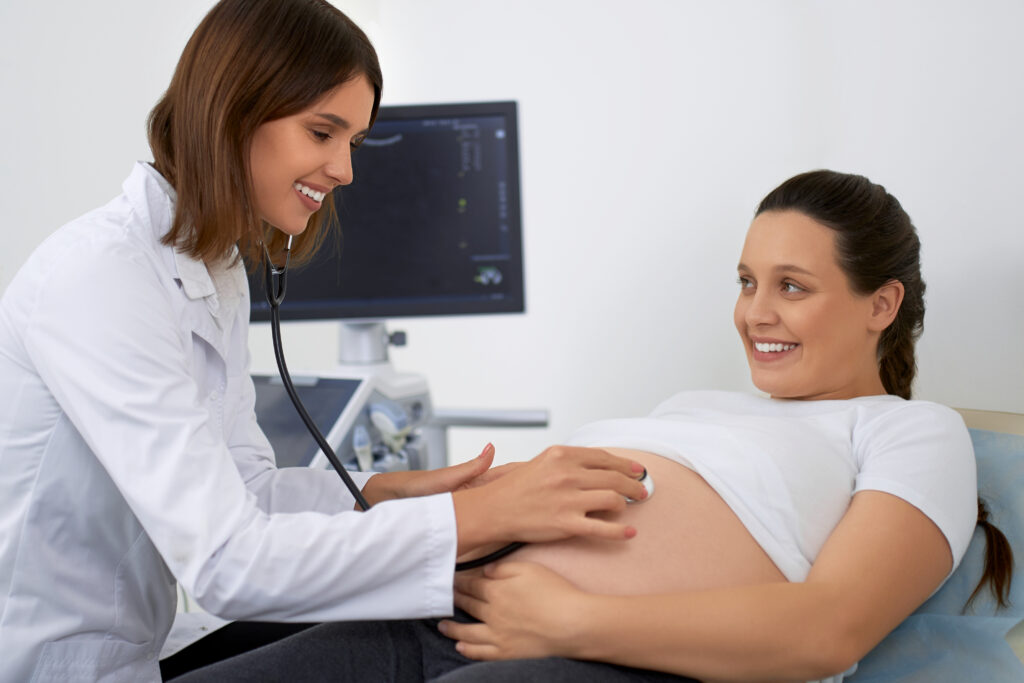
“Pregnancy Is Emotional, Prepare Your Mind the Same Way as Your Body”
The emotional journey of planning your first pregnancy can be overwhelming. Anxiety, excitement, fear and hope blend together.
Early Signs of Anxiety or Depression You Shouldn’t Ignore
- Persistent worry about fertility or pregnancy.
- Irritability, sadness or unexplained crying.
- Sleep disturbances.
- Loss of interest in daily activities.
Where to Seek Safe, Judgment Free Medical and Emotional Support
- Licensed therapists
- Gynecologists trained in perinatal mental health
- Online therapy platforms
- Community women’s centers
How to Talk to Your Partner: Conversations That Build Support, Not Pressure
- “I’m excited but also overwhelmed. Can we talk about this openly?”
- “I want us both to be involved. Can we plan our tests together?”
- “I need emotional support during this process.”
Online Communities & Support Groups That Actually Help
- Pakistani moms’ groups
- South Asian fertility support communities
- Faith based women’s circles
- Professional mental health communities
A mentally supported woman has a healthier pregnancy.
10. The Hard Truth: What Happens When Pregnancy Preparation Is Ignored
“What Could Happen If You Skip Preconception Care And How Easy It Is to Prevent.”
These are not meant to scare you but to empower you with facts.
- Neural Tube Defects: Strongly linked to missing folic acid. Preventable in most cases.
- Prematurity: Anemia and infections increase early labor risk, treatable before pregnancy.
- Miscarriage: Thyroid issues and uncontrolled diabetes elevate risk manageable with early care.
- Maternal Complications: High BP, hemorrhage and uncontrolled anemia all preventable with early testing.
- Low Birth Weight: Often from nutritional deficiencies is correctable before conception.
The best part? Most of these complications can be dramatically reduced with simple tests, proper supplements and early planning.
12. MEDICAL DISCLAIMER
This blog is for educational purposes only. Do NOT start any medication, supplement, vaccination or treatment without consulting a qualified doctor or gynecologist. Individual medical needs vary; please seek personalized medical advice before making changes.

13. “Ready to Start? Limited Online Preconception Slots, Book Yours Today.”
Book your 1 on 1 preconception consultation with Dr. Rafiya Zahir and get:
- Personalized preconception plan
- Supplements & test guidance
- Partner assessment plan
- Fertility optimization
- Support especially for overseas Pakistanis
- Only 10 online slots available per month book now before they fill.
- Book Online Consultation — Reserve My Slot
14. SOURCES REAL and TRUSTED
- World Health Organization Preconception Care Guidelines
- WHO: Folic Acid Recommendations
- NHS UK: Preconception Advice
- UNICEF Pakistan: National Nutrition Survey 2018
- ACOG: Clinical Guidance on PrePregnancy Counseling
- CDC: Pregnancy, Vaccination and Nutrition Guidelines
FREQUENTLY ASKED QUESTIONS
When should I start preparing for pregnancy?
If you’re under 35 and trying for 12 months without success or 6 months if 35+ or known issues exist.
Is preconception care necessary for first time moms?
Yes. It reduces risks like miscarriage, birth defects, and complications especially in Pakistani women with anemia and Vit D deficiency.
What if I have irregular periods?
Irregular cycles may signal PCOS or hormonal imbalance. Get checked before trying to avoid delays.
Can PCOS women get pregnant naturally?
Yes, but they need hormonal optimization first. Early planning improves success rates significantly.
I'm living abroad. Can I still take this consultation?
Yes, overseas Pakistani women benefit even more due to stress, vitamin deficiencies and limited culturally aligned medical guidance.
When should I worry about infertility?
If you’re under 35 and trying for 12 months without success or 6 months if 35+ or known issues exist.
Which supplements are essential?
Folic acid 400 mcg daily is mandatory. Others depend on blood tests. Avoid starting anything without doctor approval.
Should my husband also get tested?
Yes. Male factors contribute to 40% of fertility issues. A simple semen analysis provides clarity.
Are herbal/home remedies safe?
Not always. Some herbs may disrupt hormones or affect early pregnancy. Never take remedies without medical advice.
Is brown spotting normal?
Light brown spotting can be implantation bleeding. Heavy bleeding is not normal.
How soon can a pregnancy test be positive?
Blood tests detect pregnancy 7 to 10 days after conception; urine tests after a missed period.
When does nausea start?
Typically around 4 to 6 weeks but some women experience it earlier.
Can PCOS delay symptoms?
Yes. PCOS causes delayed ovulation making symptoms appear later.
Are pregnancy symptoms stronger abroad?
Often yes, due to stress, long working hours, vitamin D deficiency and lack of family support.