Hydration 101: The Invisible Lifeline Every Expecting Mother Desperately Needs But Rarely Talks About
Because your baby’s first home is built from the fluids inside you, not just love.
The Silent Everyday Danger Why Modern Mothers Accidentally Face Dehydration in pregnancy
Pregnancy changes everything about how the body handles fluid. Blood volume increases dramatically, hormones shift fluid balance and the growing baby constantly depends on maternal circulation. Yet many women unknowingly reduce fluid intake due to nausea, fatigue, work schedules or simple forgetfulness.
The emotional truth is that pregnancy feels overwhelming and hydration often becomes an afterthought. When Dehydration in Pregnancy begins, it rarely starts dramatically. It begins quietly with mild fatigue, headaches or darker urine, symptoms many women ignore because pregnancy already feels exhausting.
Global maternal health frameworks from WHO and UNICEF consistently highlight hydration as a core part of maternal nutrition because maternal fluid balance directly supports fetal survival, oxygen delivery and organ development. Research from maternal nutrition monitoring systems, including national surveys such as the Pakistan National Nutrition Survey, shows hydration and micronutrient intake gaps still exist in pregnant populations.
These findings highlight the real need to improve maternal hydration importance awareness worldwide.
Quick information in this blog
Why Week 7 Feels So Intense And Why You’re Not Weak for Feeling This Way
Your Body at 7 Weeks: Subtle Changes That Feel Loud Inside
Missed Period Reality Check: Why It Still Feels Unreal
7 Weeks Pregnant Symptoms: What’s Normal vs What Needs Attention
Why Week 7 Triggers So Much Fear Even When Everything Is Normal
Your Baby at Week 7: A Tiny Architect at Work
Skin, Eyes & Facial Features: The Blueprint Is Being Drawn
Your Baby’s Brain at Week 7: A Developmental Explosion
Fatigue Isn’t Laziness: The Energy Cost of Organ Creation
Baby Growth Snapshot: Week 6 vs Week 7
What to Eat at 7 Weeks Pregnant When Food Feels Like the Enemy
Nausea Survival Mode: What Actually Helps Beyond Ginger Tea
Weight Changes at Week 7: Why the Scale Lies
Brief details about this specific point.
What Not to Do at Week 7 Even If You Feel “Fine”
Brief details about this specific point.
Final thought
Brief details about this specific point.
The Inside Story Your Body Is Living Biological Chaos Triggered by Dehydration in Pregnancy
During pregnancy, the body works like a high performance life support system. The placenta functions as a transfer station moving oxygen and nutrients from mother to baby. When fluid intake drops, blood plasma volume may reduce, circulation becomes less efficient and cellular nutrient delivery may slow.
This directly impacts hydration for fetal health and can influence fetal growth environment stability.
Hormones like progesterone already slow digestion and circulation slightly. When dehydration adds extra stress, fatigue worsens, dizziness increases and uterine irritability can appear.
This is why doctors stress consistent water intake during pregnancy instead of drinking large amounts occasionally. Stable hydration protects hormone balance, kidney filtration, temperature regulation and oxygen delivery systems.
The Emotional Reality No One Prepares You For Why Good Moms Still Face Dehydration in Pregnancy
Many pregnant women feel guilt when they cannot drink enough water due to vomiting or nausea. Some avoid drinking fluids to reduce frequent urination, especially at night. Others simply forget because the pregnancy brain and daily stress take over. The reality is that hydration requires planning, not just intention. This is where practical pregnancy hydration tips become survival tools rather than lifestyle advice.
Pregnancy creates emotional pressure to be perfect. Hydration often feels like a small task, but biologically it becomes one of the most important daily actions protecting both mother and baby. Supporting pregnancy nutrition hydration improves maternal energy, supports fetal circulation and stabilizes amniotic fluid environment.
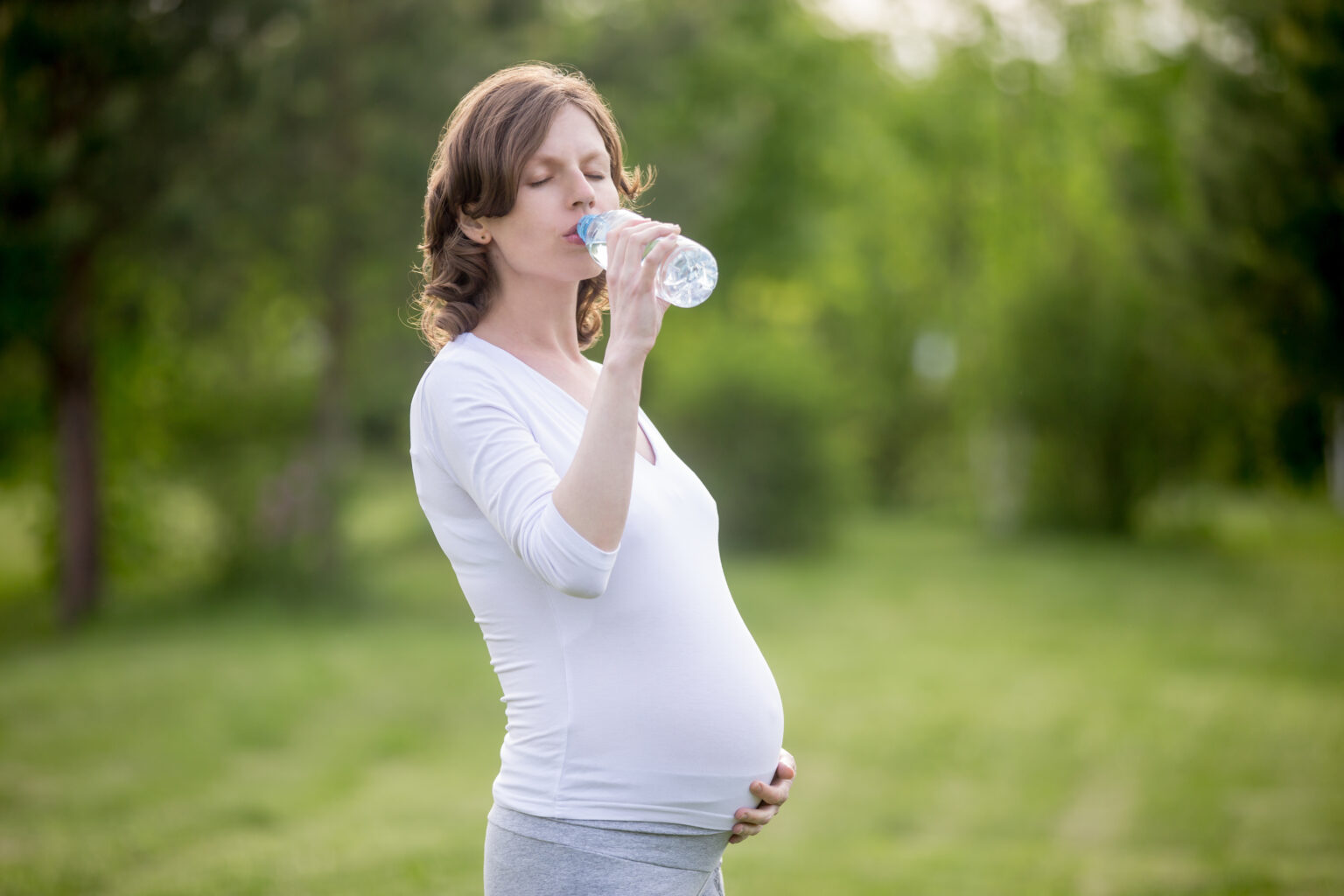
The Warning Signs Your Body Is Begging You Not To Ignore Early Signs of Dehydration in Pregnancy
Early symptoms often hide behind normal pregnancy discomfort. Women commonly experience headaches, dry lips, fatigue, muscle cramps or dizziness. More advanced dehydration may influence uterine contraction frequency, reduce urine output or affect hydration and amniotic fluid levels. Recognizing early signs of dehydration in pregnancy allows early correction before complications begin.
WHO maternal health guidance emphasizes monitoring maternal nutrition and hydration because early maternal stress signals often appear before measurable complications. UNICEF maternal nutrition initiatives also emphasize fluid balance as part of safe pregnancy support frameworks.


The Truth About Fluid Needs Real Science Behind How Much Water Pregnant Women Need
Fluid needs increase significantly because maternal blood volume rises by almost half during pregnancy. Amniotic fluid continuously circulates and replenishes. Kidneys filter more metabolic waste for both mother and baby. These changes increase pregnancy fluid requirements dramatically compared to non-pregnant states.
Most pregnant women require around 2.3 to 3 liters daily depending on body size, climate, and activity level. Understanding the best drinks during pregnancy becomes essential because fluid quality matters alongside quantity.
Supporting pregnancy electrolyte balance ensures cellular function remains stable during increased metabolic demand.
The Hidden Kidney Load During Pregnancy Why Hydration Is Your Body’s Natural Detox System
During pregnancy, your kidneys filter waste for both you and your baby. When dehydration in Pregnancy happens, waste concentration increases in the bloodstream, making kidneys work harder and increasing fatigue, swelling and infection risk. Proper hydration supports toxin removal, stabilizes blood pressure, and supports overall pregnancy electrolyte balance.
This is especially important because urinary tract infections are more common during pregnancy, and strong hydration helps reduce risk naturally. Supporting daily water intake during pregnancy protects maternal kidney health and supports baby safe toxin clearance.
Brain Fog & Mood Swing Connection How Mild Dehydration Affects Pregnancy Mental Health
Many pregnant women blame hormones for brain fog, irritability or emotional crashes, but mild dehydration in pregnancy can directly reduce brain oxygen efficiency and electrolyte balance. Even small fluid drops can worsen fatigue, anxiety and concentration problems.
Supporting stable pregnancy hydration tips improves mood stability, energy levels and daily functioning. This is why doctors emphasize steady hydration rather than occasional heavy drinking. Supporting maternal hydration importance improves both physical and emotional pregnancy experience.
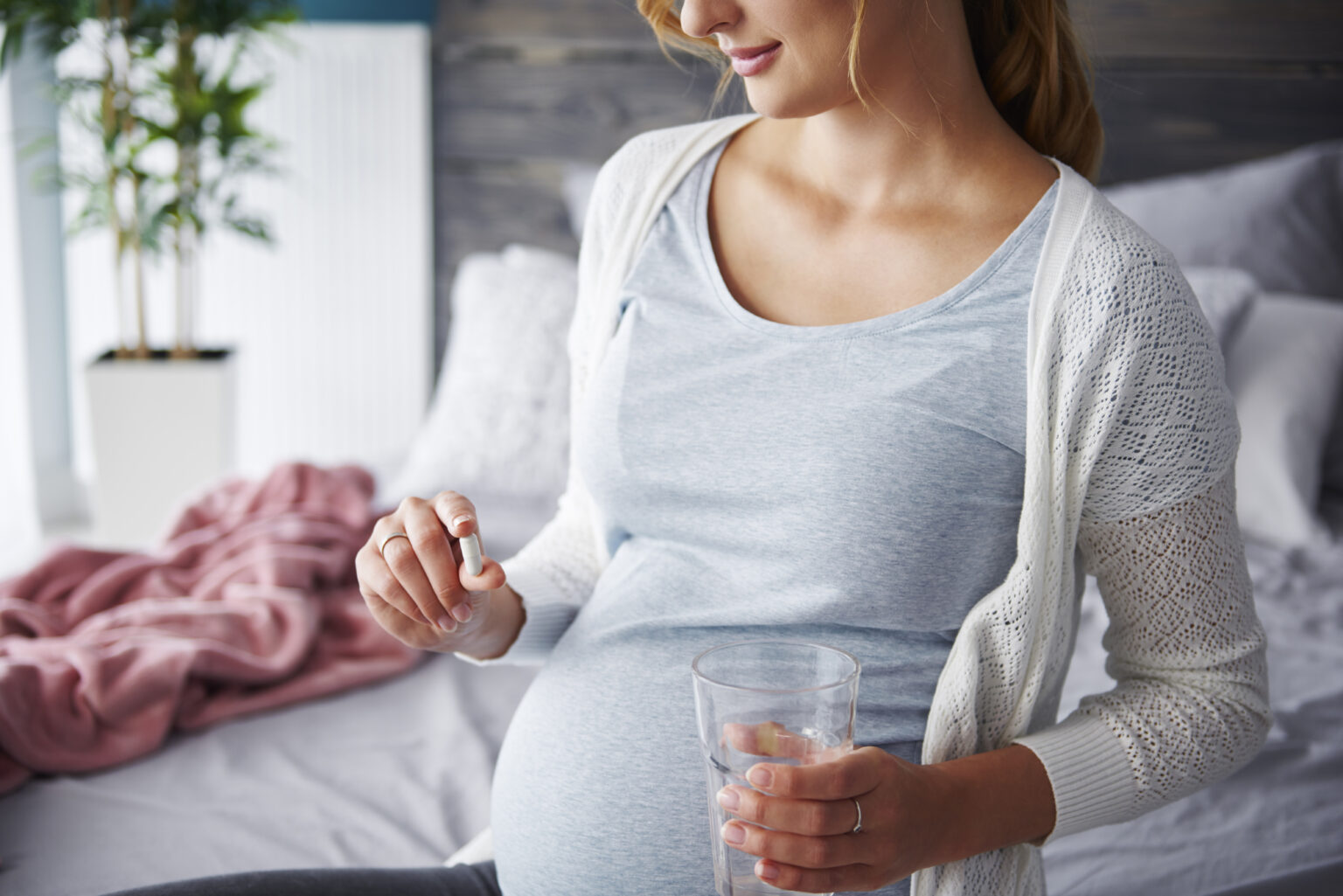
Comparison Table Hydration Source Effectiveness During Pregnancy
Hydration Source | Hydration Strength | Pregnancy Safety | Ideal Use Scenario |
Plain Water | Excellent | Very Safe | Daily base hydration |
Coconut Water | High | Safe | Mild electrolyte support |
Electrolyte Solutions | Very High | Safe (Low sugar) | Vomiting or heat exposure |
Milk | Moderate | Safe | Nutrition + hydration combined |
Sugary Drinks | Low | Not Ideal | Occasional only |
Climate, Fasting & Cultural Lifestyle Risks That Increase Dehydration in Pregnancy
In hot climates or fasting periods, fluid loss increases significantly through sweating and metabolic stress. Many pregnant women struggle balancing cultural practices and hydration needs. This is where doctors emphasize flexible hydration planning. Supporting fluids for pregnant women becomes critical in high temperature regions or religious fasting seasons.
National nutrition surveys in developing regions consistently highlight fluid intake gaps alongside micronutrient deficiencies. This reinforces the importance of preventive hydration planning.
The Amniotic Fluid Protection Connection Mothers Rarely Hear About
Amniotic fluid protects fetal organs, supports movement, and maintains temperature stability. Proper maternal hydration supports amniotic fluid circulation. Maintaining hydration and amniotic fluid levels ensures the baby remains protected from mechanical pressure and temperature fluctuations. This prevents dehydration in Pregnancy directly connected to fetal safety environment quality.
The Hormone Stability Link Why Hydration Controls More Than Thirst(
Hydration supports hormone transport, blood pressure regulation, and metabolic waste removal. Stable hydration improves mood stability, reduces fatigue severity, and supports overall pregnancy resilience. This highlights long-term maternal hydration importance beyond immediate comfort.
Conclusion: Hydration Is Not Just Health Advice, It Is Maternal Protection
Hydration supports circulation, hormone balance, fetal development and emotional stability. Preventing Dehydration in Pregnancy is one of the simplest but most powerful protective actions available to mothers.
When mothers stay hydrated, babies grow in stable fluid environments and pregnancy outcomes improve significantly. Hydration is not just about drinking water. It is about protecting life systems working silently inside you every second.
Can dehydration cause early contractions?
Yes, dehydration can increase uterine irritability and contraction frequency.
Does dehydration affect baby movement?
Severe dehydration may reduce placental circulation efficiency.
Is coconut water safe daily?
Yes, it supports natural electrolyte balance in moderate amounts.
Does vomiting increase dehydration risk?
Yes, vomiting rapidly reduces fluid and electrolyte balance.
Schedule
An Appointment
If you are in need of medical assistance, whether it be for a routine checkup or for a specific medical concern contact us.

Schedule
An Appointment
If you are in need of medical assistance, whether it be for a routine checkup or for a specific medical concern contact us.
Join Our Growing Online
Community
Stay connected with Dr. Rafiya Zahir and become part of an engaging community committed to women’s healthcare in Pakistan by joining us on various social media platforms.