Laser Treatment for Vaginal Tightening: Real Benefits, Real Safety, Real Answers
A private, doctor guided guide for women seeking comfort, confidence and a non surgical solution
Quick information in this blog
1. Feeling Loose or Uncomfortable? Here’s the Solution Women Trust.
As a gynecologist, one of the most common things women tell me often with hesitation, embarrassment or guilt is this: “Doctor, something doesn’t feel the same anymore.”
That single sentence carries pain, confusion and fear. It may follow childbirth, hormonal changes, menopause or years of silently enduring discomfort during intimacy. Today, I want to speak to you clearly, medically and honestly about laser treatment for vaginal tightening, what it is, how it works, how safe it truly is and whether it’s right for you.
2. You’re Not Alone, And It’s Not Your Fault

Let me say this first, as your doctor: nothing is “wrong” with you. Vaginal changes after childbirth, aging or hormonal shifts are biological realities, not personal failures. After delivery, especially normal vaginal birth the vaginal tissues stretch. Over time, declining estrogen levels reduce collagen and elasticity. Many women experience dryness, pain during intimacy, reduced sensation or a feeling of looseness that affects confidence and relationships.
I see mothers who gave everything to their families but feel disconnected from their bodies. I meet women who avoid intimacy because it hurts. I listen to patients who laugh off urinary leakage in public but cry privately. If this is you, please know you are deeply understood here.
3. What Actually Causes Vaginal Looseness? The Part No One Explains Properly
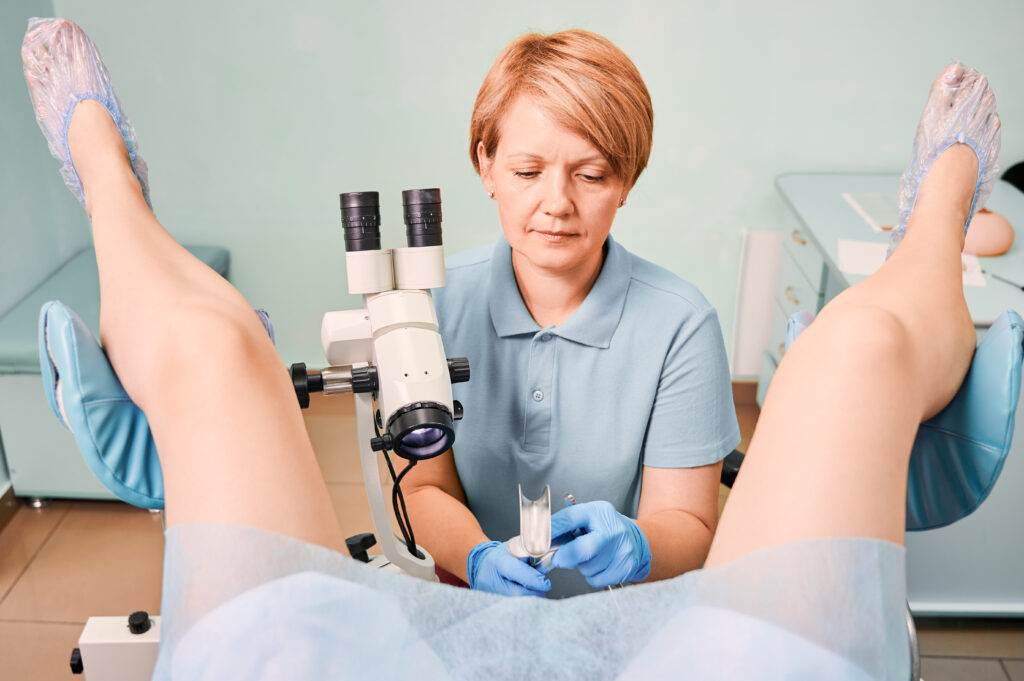
Vaginal looseness, medically known as vaginal laxity, is not imaginary. Research published in the Journal of Sexual Medicine and International Urogynecology Journal confirms that 40 to 60% of women experience vaginal laxity after childbirth. The reasons are multifactorial. During pregnancy and delivery, collagen and elastin fibers stretch significantly. When estrogen levels decline whether after childbirth, during breastfeeding or around menopause the tissue’s ability to repair weakens.
Pelvic floor muscles may lose tone, blood flow reduces and lubrication decreases. Over time, this leads to dryness, discomfort, reduced friction during intimacy and sometimes bladder control issues. These changes are anatomical and hormonal not psychological.
4. Laser Vaginal Tightening Explained: A Gentle, Non Surgical Path Back to Confidence
Laser treatment for vaginal tightening is a modern, nonsurgical medical solution designed to restore vaginal health from within. Unlike surgery, it does not involve cuts, stitches or anesthesia. Instead, controlled laser energy gently heats the vaginal tissue, triggering natural collagen regeneration.
This process improves firmness, elasticity, lubrication and blood flow. Most sessions take 10 to 15 minutes and you walk out the same day with no downtime and no hospital stay. This is why laser vaginal tightening has become one of the most trusted cosmetic gynecology procedures worldwide.
5. How Vaginal Laser Therapy Works?: The Science Behind Tissue Renewal
To understand vaginal laser therapy, imagine waking up your body’s own repair system. The laser delivers precise thermal energy deep into the vaginal walls. This heat stimulates fibroblasts, the cells responsible for collagen production. Over the following weeks, new collagen forms, tissue thickens, elasticity improves and blood circulation increases.
Clinical studies published in Lasers in Surgery and Medicine show 80 to 92% improvement in tightness and elasticity after a series of treatments. Importantly, this is not artificial tightening, it is biological regeneration.
6. Is Laser Treatment for Vaginal Tightening Safe? Let’s Talk Evidence
Safety is the first question every responsible woman asks and rightly so. Modern FDA approved vaginal laser technologies have been extensively studied. Research in the Aesthetic Surgery Journal and Journal of Minimally Invasive Gynecology shows patient satisfaction rates above 90%, with complication rates below 1%, usually limited to temporary warmth or redness.
There are no hormonal risks, no anesthesia, and no disruption to daily life. You can return to work the same day. As your doctor, I recommend this only after proper examination and ethical screening.
7. Real Women. Real Results. Private Stories from Patients Who Took the Step
Let me tell you about three women whose stories illustrate what so many experience:
- A 29 year old mother came in struggling with urinary leakage and discomfort during intimacy after childbirth. After personalized treatment, she reported that leakage essentially stopped and that closeness with her partner felt natural again.
- A 35 year old woman who had been battling persistent dryness despite hormone creams noticed significant moisture return after just two sessions, alleviating pain and boosting her confidence.
- A newly married woman, anxious about painful intercourse, said the treatment helped her feel comfortable and joyful during intimacy for the first time in years.
These are real women with real transformations and you can experience the same.
8. Benefits Women Notice Often Within Just Weeks
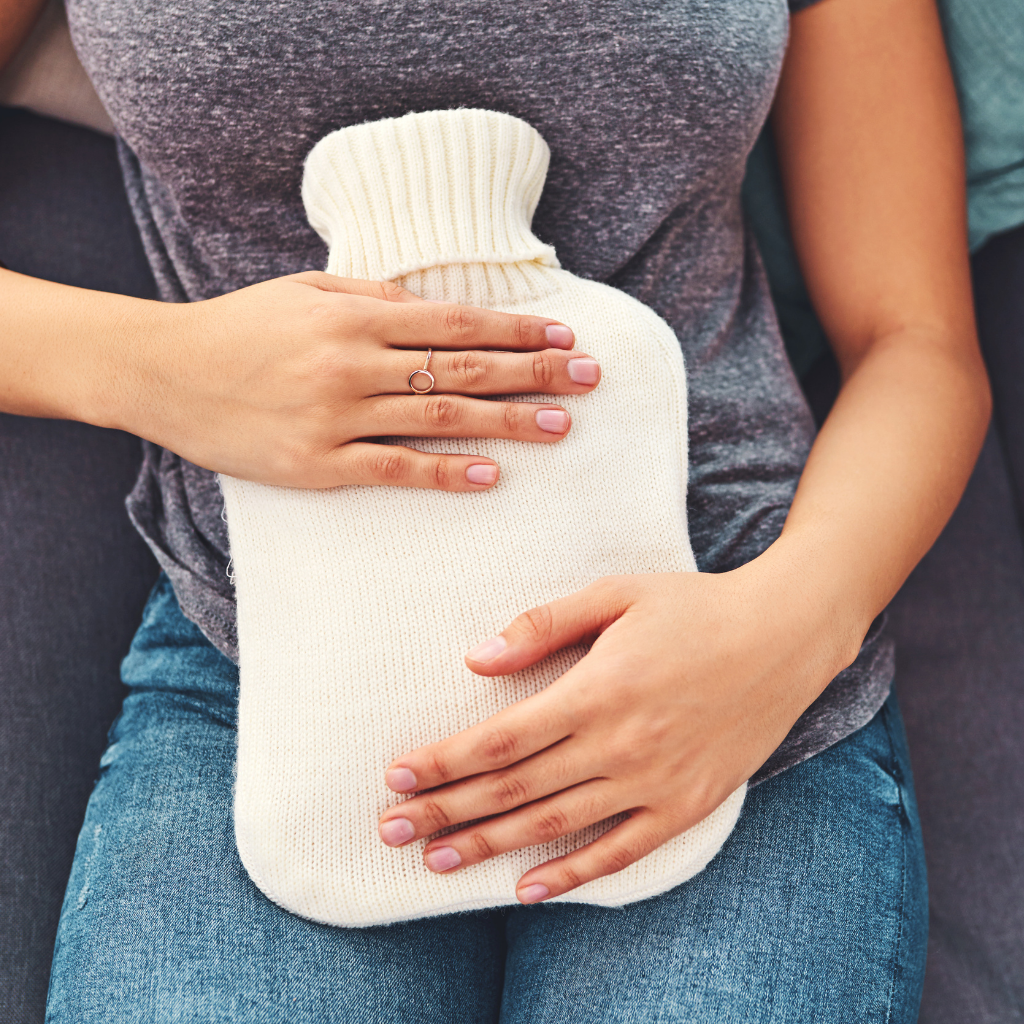
Physically, women report improved tightness, increased natural lubrication, reduced dryness, pain free intimacy and better bladder control. These results align with findings from the International Continence Society, which confirms improvement in mild stress urinary incontinence after non surgical vaginal tightening.
Emotionally, the transformation is profound. Confidence returns. Intimacy feels natural again. Women tell me they feel “whole,” “feminine,” and “connected” to themselves once more. Healing the body often heals self-esteem too.
9. Is This Treatment Right for You? A Doctor’s Ideal Candidate Checklist
If you’ve had one or multiple vaginal deliveries, experience looseness, dryness or reduced sensation or are entering menopause and want a painful intercourse solution without surgery, this treatment may be right for you. Women who want results without downtime and prefer evidence based care often choose intimate laser treatment over invasive procedures.
10. What Happens During a Laser Session? A Calm, Step by Step Walkthrough
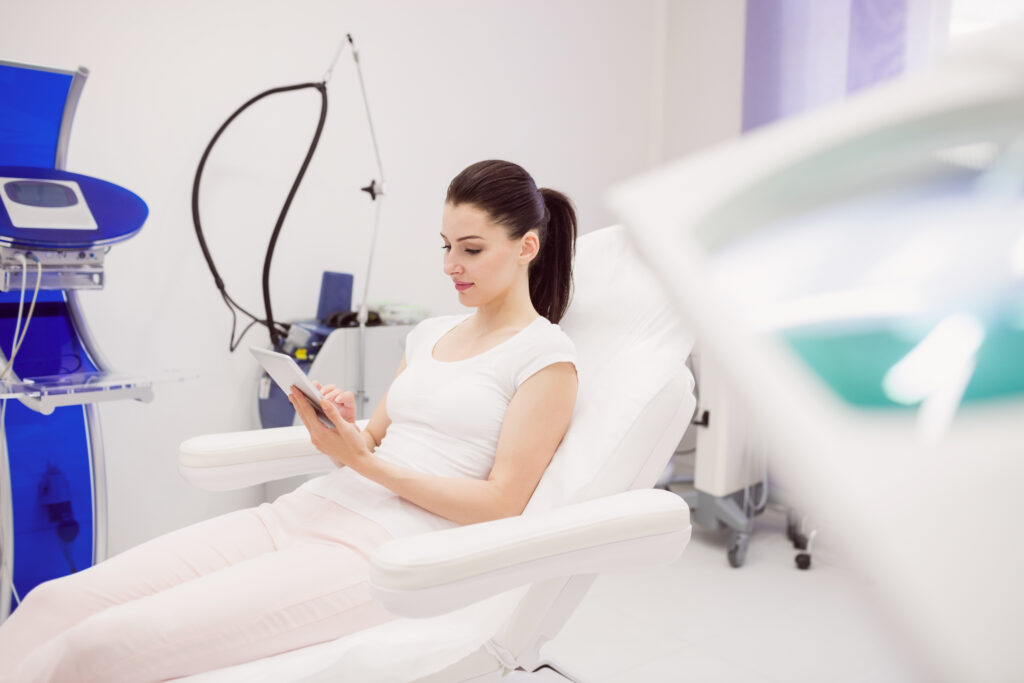
Your journey begins with a private consultation. I assess your concerns, medical history and vaginal health. During the session, a slim laser probe is gently inserted. You feel mild warmth not pain. The procedure lasts only a few minutes. Afterward, you receive simple aftercare advice and most women notice changes within weeks as collagen rebuilds.
Common Fears Addressed Honestly Without Judgment or Pressure
Women often ask me, “Kya yeh painful hoga?” The answer is no, most describe it as warmth. “Kya koi side effects hain?” Serious side effects are extremely rare. “Kya meri married life par effect karega?” Yes but in a positive way. “Kya results permanent hain?” Results last 12 to 18 months and can be maintained with annual sessions.
Realistic Results: What to Expect Before and After Treatment
Collagen regeneration takes time. Most women notice initial improvement after the first session, with full results developing over 4 to 12 weeks. Studies show 40 to 60% improvement after the first session, increasing with subsequent treatments.
When Laser Treatment Is NOT Recommended and Why Honesty Matters?
Ethical medicine matters. Vaginal laser therapy is not advised during pregnancy, active infections or severe pelvic organ prolapse. Proper screening ensures safety and trust.
Laser vs Surgery vs Home Remedies: What Actually Works ? and truly delivers results you’re looking for
Laser offers strong results with minimal risk and no downtime. Surgery provides dramatic tightening but involves pain, recovery and higher risk. Home remedies lack scientific evidence. This comparison is supported by data from the American College of Obstetricians and Gynecologists (ACOG).
Solution | Pain | Downtime | Results | Cost | Risk |
Laser | Minimal | None | Strong | Moderate | Low |
Surgery | High | Weeks | Very Strong | High | Higher |
Home Remedies | None | None | Weak | Low | None |
Real Women, Real Transformations Shared with Privacy and Respect
A mother of two regained bladder control and confidence. A menopausal woman found relief from dryness and pain. A young woman rediscovered intimacy without fear. These stories reflect what research and real world practice consistently show.
Take the First Step Without Shame, Fear or Pressure
If something feels “not right,” you don’t have to live with it. At https://drrafiyazahir.com/, my approach is private, ethical and compassionate. You deserve comfort. You deserve confidence. You deserve care that respects your body and your story.
Get a private, judgment free assessment today and learn whether laser treatment for vaginal tightening is right for you.
Take the First Step Without Shame, Fear or Pressure
If something feels “not right,” you don’t have to live with it. At https://drrafiyazahir.com/, my approach is private, ethical and compassionate. You deserve comfort. You deserve confidence. You deserve care that respects your body and your story.
Get a private, judgment free assessment today and learn whether laser treatment for vaginal tightening is right for you.
FREQUENTLY ASKED QUESTIONS
Will laser vaginal tightening change how my body naturally feels?
No. The goal is to restore natural firmness, elasticity and comfort, not to create anything artificial or extreme.
How soon can I feel a difference after the treatment?
Many women notice subtle improvements within 2 to 3 weeks, while full results develop gradually over 6 to 12 weeks as collagen rebuilds.
Is this treatment only for women after childbirth?
Not at all. Women experiencing aging related changes, hormonal imbalance, menopause or painful intimacy also benefit greatly.
Can laser tightening help with dryness even if I’m not menopausal?
Yes. Laser therapy improves blood flow and tissue hydration, helping dryness caused by stress, breastfeeding or hormonal fluctuations.
Does laser vaginal tightening affect fertility or future pregnancies?
No. The treatment works only on surface and supportive tissues and does not interfere with fertility or the uterus.