Your Guide to the Second Trimester of Pregnancy: The Phase Where Confidence Replaces Fear
When your body settles, your baby thrives, and pregnancy finally starts to feel real
The Second Trimester Reality Check: “Why Does Everyone Call This the Easy Phase?”
The second trimester of pregnancy often gets labeled as the “golden period.” For many women, nausea fades, energy returns and the emotional fog lifts.
You’ll likely feel less queasy which means food may finally smell and taste good for the first time in a long while, your energy levels should be picking up and your breasts will still be bigger but will feel a lot less tender.
Most amazing of all. By the end of this trimester, the bulge in your lower abdomen may be looking less like the remains of a large lunch and more like the beginnings of a pregnant belly.
But calling it “easy” oversimplifies a phase that brings new physical changes, emotional adjustments and critical baby development.
This trimester is not about surviving anymore it’s about understanding, preparing and growing with your baby.
According to WHO maternal health frameworks, this period plays a crucial role in stabilizing maternal health and supporting optimal fetal growth.
Quick information in this blog
Why Week 7 Feels So Intense And Why You’re Not Weak for Feeling This Way
Your Body at 7 Weeks: Subtle Changes That Feel Loud Inside
Missed Period Reality Check: Why It Still Feels Unreal
7 Weeks Pregnant Symptoms: What’s Normal vs What Needs Attention
Why Week 7 Triggers So Much Fear Even When Everything Is Normal
Your Baby at Week 7: A Tiny Architect at Work
Skin, Eyes & Facial Features: The Blueprint Is Being Drawn
Your Baby’s Brain at Week 7: A Developmental Explosion
Fatigue Isn’t Laziness: The Energy Cost of Organ Creation
Baby Growth Snapshot: Week 6 vs Week 7
What to Eat at 7 Weeks Pregnant When Food Feels Like the Enemy
Nausea Survival Mode: What Actually Helps Beyond Ginger Tea
Weight Changes at Week 7: Why the Scale Lies
Brief details about this specific point.
What Not to Do at Week 7 Even If You Feel “Fine”
Brief details about this specific point.
Final thought
Brief details about this specific point.
When Does the Second Trimester Start and End And Why Timing Matters?
If you’ve been wondering when the second trimester starts, it begins at week 13 of pregnancy. It continues until the end of week 27, which answers when the second trimester ends.
This phase bridges early pregnancy uncertainty and late pregnancy preparation. Your baby grows rapidly and your body adapts to sustain that growth.
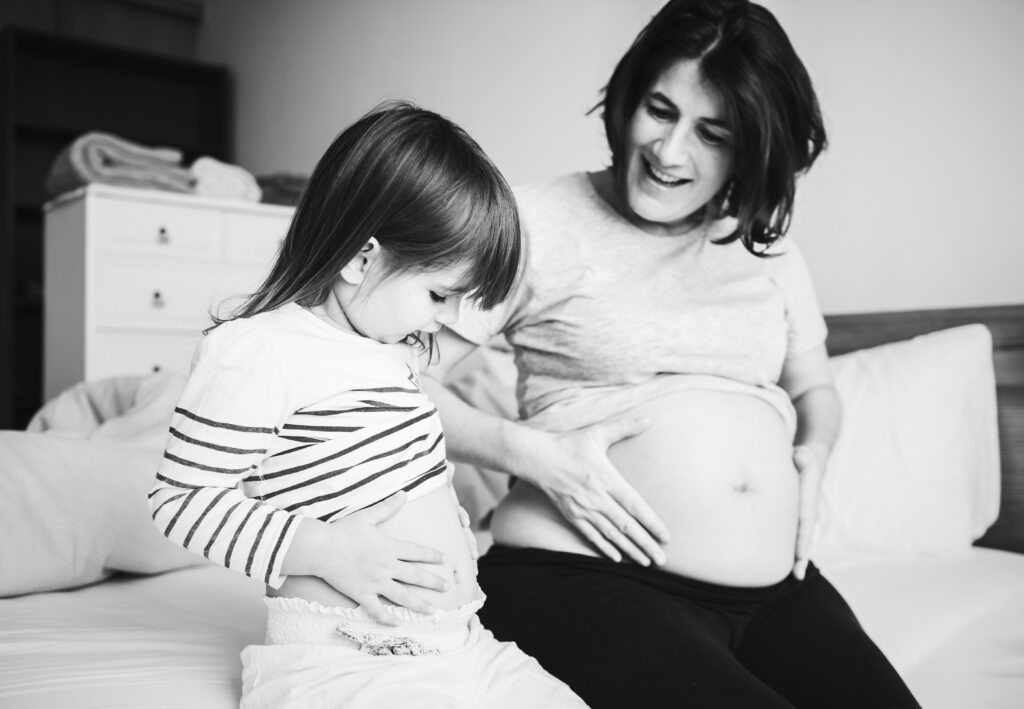
Second Trimester Symptoms: New Comforts, New Surprises
While early nausea often improves, second trimester symptoms bring their own set of changes. Increased appetite, visible belly growth, nasal congestion, mild back pain and skin changes are common.
Mild swelling of the ankle and feets:
which is experienced by about 3 in 4 pregnant women, starting at about week 22 of pregnancy though sometimes earlier and lasting until delivery.
To reduce puffiness, try to keep active, kick up your feet when you’re not moving and avoid long periods of standing or sitting
- Leg cramps: which usually start in the second trimester and last through the third. It’s due not only to hormones and weight but also possibly a shortage of calcium or magnesium so be sure to keep eating a healthy, well balanced pregnancy diet.
- Dizziness: which occurs when your blood vessels widen and relax, increasing blood flow to your baby, but slowing your blood pressure down. Take it easy, eat plenty of small meals and fill up on fluids to reduce symptoms.
- Weight gain: as your appetite likely increases or appears, if you were suffering from nausea and appetite loss in the first trimester to support your growing baby.
If you started out your pregnancy at a normal weight, expect to gain around a pound per week for a total of about 14 pounds during this trimester.
Hormonal stabilization explains why many women feel emotionally stronger during this phase. The CDC pregnancy guidelines note improved energy levels as a hallmark of this trimester.
Pregnancy Body Changes You Didn’t Expect But Are Completely Normal
Your uterus expands upward, shifting your center of gravity. This can cause posture changes, mild balance issues and ligament stretching pain.
Breasts continue preparing for lactation and skin pigmentation may deepen. These pregnancy body changes reflect your body’s incredible adaptability, not a loss of control.


When Should You Call the Doctor About Second Trimester Symptoms?
Not all symptoms should be ignored. Contact your healthcare provider if you experience persistent abdominal pain, vaginal bleeding, severe headaches, sudden swelling or reduced fetal movement later in the trimester.
Also talk to your doctor if you notice sudden weight gain, significant vision changes and severe swelling in the face and hands, which could be signs of preeclampsia.
According to WHO maternal health guidelines, early reporting of unusual symptoms prevents complications.
Baby Growth in Second Trimester: From Tiny Movements to Real Kicks
Baby growth in the second trimester is dramatic. By week 20, many babies weigh around 300 grams and measure approximately 16 cm.
Bones harden, muscles strengthen and coordinated movements begin. You may feel your baby’s first kicks often described as fluttering or bubbles.
By week 18 of pregnancy, the baby weighs about as much as a chicken breast and can even yawn and hiccup.
By around week 21 you should be able to feel your little gymnast’s newly coordinated arms and legs as they give you little jabs and kicks.
Developing Senses: Hearing, Touch and Awareness Begin
Your baby’s ears mature, allowing them to hear your heartbeat and voice. Touch receptors spread across the body and reflexes strengthen.
UNICEF pregnancy care data highlights this trimester as crucial for neurological development and sensory awareness.

Second Trimester Checklist: What You Should Be Doing Now
A practical second trimester checklist helps you stay grounded.
Regular prenatal visits monitor blood pressure, weight gain and fetal growth. Blood tests may screen for anemia or gestational diabetes risk.
Track your weight gain Make parental workouts a priority Shop for maternity clothes: Now that your bump is finally starting to show, you’ll need a maternity wardrobe to match. Luckily, there are plenty of affordable maternity clothes options that won’t break the bank.
Sleep on your side: While pregnancy sleep is usually easier to catch in the second trimester than in the first or third, you will want to start sleeping on your side now, since the weight of your growing uterus puts pressure on the vena cava the vein bringing blood from your lower extremities back up to your heart, which can interfere with circulation.
The Pakistan National Nutrition Survey pregnancy data shows anemia remains common, making screening essential.
What to Eat in Second Trimester: Feeding Growth Without Overeating
Knowing what to eat in the second trimester matters because your baby’s nutritional demands increase.
Focus on protein, iron, calcium and omega-3 fats. Balanced meals support fetal growth without unnecessary weight gain.
WHO recommends diversified diets rather than calorie overload.
Nutrition Strategy Eating Smart Instead of Just Eating More
Many pregnant women assume large meals at Suhoor and Iftar solve everything. But pregnancy nutrition is about nutrient density, not meal size.
Doctors often recommend protein balance, slow-release carbohydrates, iron rich foods and electrolyte fluids. This approach supports maternal health Ramadan preparation while protecting fetal development.
A pre- Ramadan medical checkup helps personalize this nutrition strategy.
What to Avoid in Second Trimester: Risks That Still Matter
Understanding what to avoid in the second trimester is just as important as earlier stages.
Alcohol, smoking, unprescribed medications and excessive sugar increase pregnancy risks. Limit caffeine and avoid foods prone to contamination.
Sleeping or doing exercises on your back. Some experts say that you should avoid lying flat on your back during pregnancy, since the entire weight of your uterus and baby will rest on your back, intestines and vena cava, the main vein that shuttles blood from your lower body to your heart.
Avoid raw or undercooked food . The CDC pregnancy guidelines emphasize continued caution throughout pregnancy, not just early weeks.
Let’s Compare First vs Second Trimester Experiences
Aspect | First Trimester | Second Trimester |
Energy | Low | Improved |
Nausea | Common | Reduced |
Baby Growth | Organ formation | Size & strength |
Emotional State | Uncertain | More confident |
Personalized Pregnancy Care with Dr. Rafiya Zahir
Calm Guidance When You Need It Most
At https://drrafiyazahir.com/, pregnancy care focuses on education, reassurance and evidence-based medical decisions not fear driven advice.
Book a consultation today and move through your second trimester with confidence.
Conclusion: The Second Trimester Is About Balance, Not Perfection
The second trimester of pregnancy offers stability, growth and clarity. Your baby develops strength, your body adapts and your confidence grows.
This phase is not about doing everything right, it’s about understanding what matters most and trusting the process.
One of the best parts about the second trimester other than a welcome break from morning sickness? Knowing that the third trimester is right around the corner and that baby will be here before you know it.
When do most women feel baby movement?
Usually between weeks 18 and 22.
Is weight gain normal in the second trimester?
Yes, gradual weight gain supports healthy fetal growth.
Can I travel during the second trimester?
Often yes, with medical approval.
Do I still need supplements?
Iron and calcium remain important, follow medical advice.
Schedule
An Appointment
If you are in need of medical assistance, whether it be for a routine checkup or for a specific medical concern contact us.

Schedule
An Appointment
If you are in need of medical assistance, whether it be for a routine checkup or for a specific medical concern contact us.
Join Our Growing Online
Community
Stay connected with Dr. Rafiya Zahir and become part of an engaging community committed to women’s healthcare in Pakistan by joining us on various social media platforms.