Week 33 of Pregnancy: When Every Day Feels Heavier but Every Kick Feels Closer to Love
The silent shift in childbirth that most women were never prepared for
Reaching week 33 of pregnancy often feels like standing at the edge of something life changing. Your body feels heavier, your movements slower and your thoughts more intense. At the same time, your baby feels stronger, more active and more real than ever. This week is a blend of physical challenge and emotional anticipation.
Understanding week 33 of pregnancy allows you to replace fear with confidence and exhaustion with reassurance. This guide walks you through everything happening this week inside your body, inside your baby, and inside your mind so you feel informed, supported and prepared.
Quick information in this blog
Why Week 7 Feels So Intense And Why You’re Not Weak for Feeling This Way
Your Body at 7 Weeks: Subtle Changes That Feel Loud Inside
Missed Period Reality Check: Why It Still Feels Unreal
7 Weeks Pregnant Symptoms: What’s Normal vs What Needs Attention
Why Week 7 Triggers So Much Fear Even When Everything Is Normal
Your Baby at Week 7: A Tiny Architect at Work
Skin, Eyes & Facial Features: The Blueprint Is Being Drawn
Your Baby’s Brain at Week 7: A Developmental Explosion
Fatigue Isn’t Laziness: The Energy Cost of Organ Creation
Baby Growth Snapshot: Week 6 vs Week 7
What to Eat at 7 Weeks Pregnant When Food Feels Like the Enemy
Nausea Survival Mode: What Actually Helps Beyond Ginger Tea
Weight Changes at Week 7: Why the Scale Lies
Brief details about this specific point.
What Not to Do at Week 7 Even If You Feel “Fine”
Brief details about this specific point.
Final thought
Brief details about this specific point.
Which Trimester Is Week 33 of Pregnancy and Why Your Energy Feels Drained
Week 33 of pregnancy is firmly part of the third trimester pregnancy, the most demanding stage of the entire journey. By now, your body has been working nonstop for over eight months. Hormones fluctuate, sleep becomes fragmented and physical discomfort intensifies.
According to WHO maternal health guidance, the third trimester places increased demands on the cardiovascular system, musculoskeletal structure and emotional resilience.
Feeling tired during week 33 of pregnancy is not a weakness, it is a natural response to carrying a rapidly growing baby while preparing for birth.

Baby Development at Week 33 of Pregnancy: Practicing Life Before Birth
At week 33 of pregnancy, your baby looks very much like the newborn you will soon meet. Baby development at 33 weeks focuses on fine tuning rather than forming new structures. The brain continues rapid growth and neural connections strengthen every day. Your baby practices breathing movements, coordinates sucking and swallowing and responds to sounds, light and touch.
The lungs are still maturing, but they are much stronger now. Your baby’s immune system also continues developing, receiving antibodies from you that will offer protection after birth. Medical guidance from the CDC highlights that consistent fetal movement during this stage is a positive sign of neurological and physical well being.
Baby Size at Week 33 of Pregnancy: From Ultrasound to Something You Can Imagine
By week 33 of pregnancy, your baby weighs approximately 2 to 2.2 kilograms and measures close to 18 inches long. To help you visualize this growth, your baby is now roughly the size of a cantaloupe melon round, solid and heavy.
This increase in size explains many of the physical sensations you experience. Fetal growth at 33 weeks puts pressure on your bladder, lungs and spine, making everyday activities feel more demanding than before.


Week 33 Pregnancy Symptoms: When Discomfort Becomes the New Normal
Many women describe week 33 pregnancy symptoms as a turning point where discomfort becomes more noticeable. Shortness of breath, pelvic pressure, lower back pain, swollen feet and ankles, leg cramps, heartburn and frequent urination are extremely common.
These symptoms happen because your uterus has expanded upward and outward, compressing organs and blood vessels. Hormonal changes also continue loosening joints, making your body feel unstable at times.
The problem arises when discomfort creates fear. The solution is understanding that most symptoms at week 33 of pregnancy are expected, though sudden swelling, severe headaches, vision changes or reduced fetal movement should always be evaluated immediately.
Pregnancy Body Changes at Week 33: Learning to Trust a Body That Feels Stretched
The pregnancy body changes during week 33 of pregnancy can feel overwhelming. Your belly feels tight, your posture shifts and even simple movements like standing up require effort. Stretch marks may become more noticeable and sleep positions feel limited.
According to UNICEF maternal health research, these physical changes are signs of your body adapting to support fetal growth and prepare for labor.
The key solution is support both physical and emotional. Maternity belts, supportive footwear, gentle stretching and reassurance from loved ones make a meaningful difference.
Emotional Changes at Week 33: When Love, Fear and Anticipation Collide
Emotionally, week 33 of pregnancy can feel intense. Thoughts about labor, parenting, financial responsibilities and personal identity may surface unexpectedly. Mood swings are common, and emotional sensitivity increases.
Research referenced by the CDC shows that emotional health during pregnancy directly affects maternal outcomes. Talking openly with your partner or healthcare provider helps normalize these feelings and reduces anxiety. Emotional vulnerability at week 33 of pregnancy is not a flaw, it’s part of preparing for motherhood.
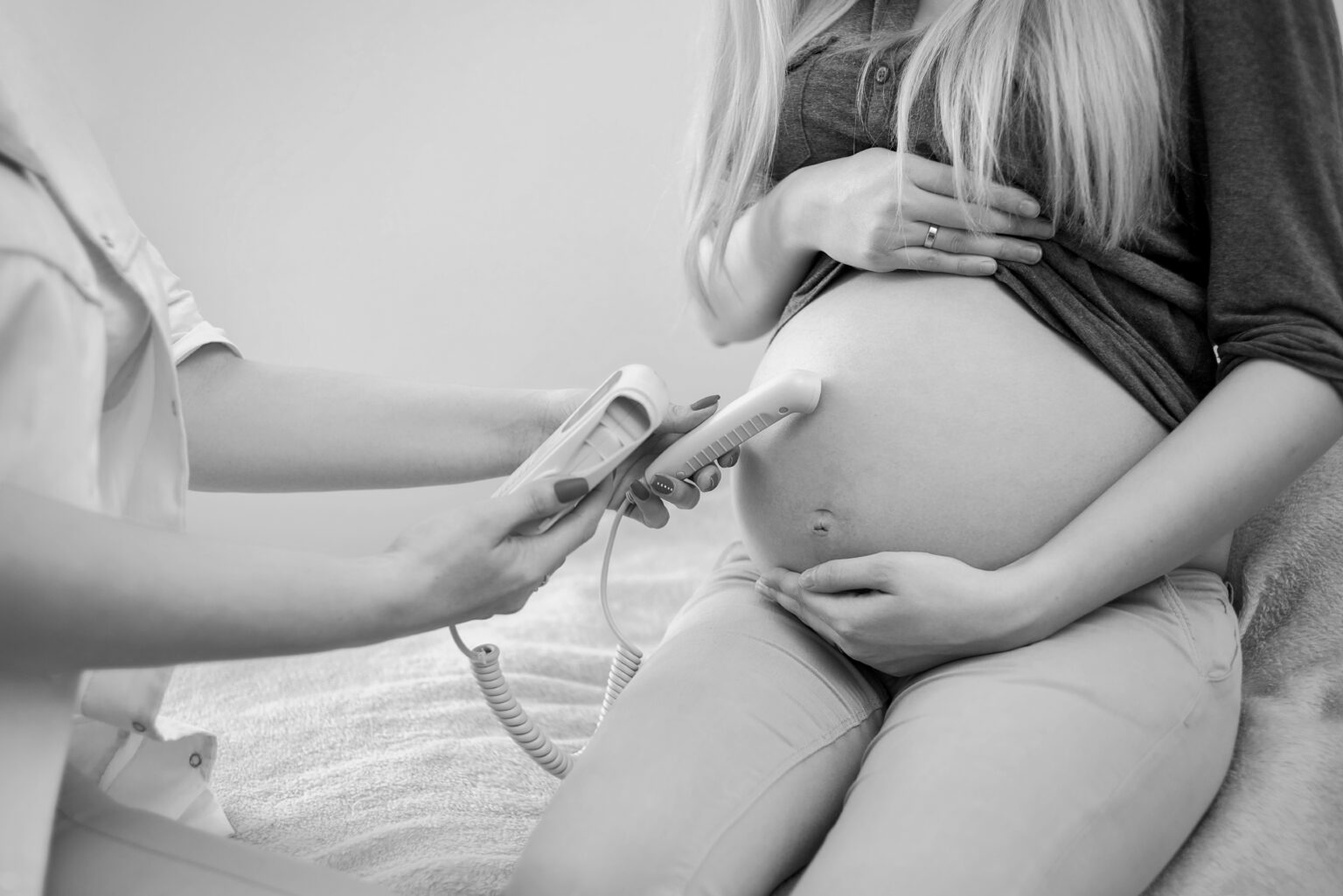
What to Eat at Week 33 of Pregnancy: Supporting Growth Without Overloading the Body
Nutrition becomes especially important during week 33 of pregnancy. Your baby continues building fat stores, strengthening bones, and refining brain development. A balanced diet rich in protein, calcium, iron, fiber and healthy fats supports both baby and mother.
According to the Pakistan National Nutrition Survey, many pregnant women face iron deficiency and inadequate calorie intake in late pregnancy. Including eggs, dairy, lentils, fruits, vegetables, whole grains and healthy fats supports healthy pregnancy tips and helps prevent fatigue and anemia.
Foods to Avoid at Week 33 of Pregnancy: Protecting What You’ve Built
During week 33 of pregnancy, it remains important to avoid undercooked meats, unpasteurized dairy, excessive caffeine and heavily processed foods. These can increase infection risks or affect fetal growth.
The solution is mindful eating, not restriction. Nourishment should feel supportive, not stressful.
Pregnancy Exercises in the Third Trimester: Moving Gently, Not Pushing Hard
Staying active during week 33 of pregnancy supports circulation, reduces swelling and prepares your body for labor. Safe pregnancy exercises in the third trimester include walking, prenatal yoga, pelvic floor exercises and breathing techniques.
WHO recommends moderate activity during pregnancy unless medically advised otherwise. Listening to your body is essential and rest when needed and stop any activity that causes pain or dizziness.
Things to Avoid at Week 33 of Pregnancy: Conserving Energy for What Matters
At week 33 of pregnancy, avoid heavy lifting, prolonged standing, poor posture, and skipping meals. These habits can worsen fatigue, swelling and discomfort.
The solution is pacing yourself.
Prenatal Tests and Checkups at Week 33 of Pregnancy: Staying Ahead of Risks
While no test is exclusive to week 33 of pregnancy, routine prenatal checkups focus on blood pressure, fundal height, fetal heart rate and movement patterns. Some women may undergo growth ultrasounds if risk factors are present.
According to CDC prenatal care recommendations, close monitoring during the third trimester helps detect complications early and ensures timely intervention.
Sleep Challenges at Week 33 of Pregnancy: Why Rest Feels Harder and How to Improve It
Sleep often becomes fragmented during week 33 of pregnancy. Physical discomfort, frequent urination, leg cramps and an active baby can interrupt rest. Anxiety about labor may also keep the mind active at night.
The solution lies in creating a supportive sleep routine. Side sleeping, pregnancy pillows, limiting fluids before bedtime and calming nighttime rituals improve rest.
WHO emphasizes that adequate sleep supports maternal resilience and labor preparedness.
Advice for Both Parents at Week 33: Preparing Together, Not Alone
Pregnancy affects both parents emotionally and practically. During week 33 of pregnancy, partners can offer meaningful support by attending appointments, helping with daily tasks, listening without judgment and preparing for labor together.
Shared preparation reduces maternal stress and strengthens emotional connection before birth.
What Happens After Week 33 of Pregnancy: Entering the Final Countdown
After week 33 of pregnancy, prenatal visits become more frequent, baby movements feel stronger and labor preparation becomes more tangible. This is the time to finalize birth plans, pack hospital bags and organize post birth support.
Preparation transforms anxiety into confidence.
Conclusion: Week 33 of Pregnancy Is About Trusting Your Strength
Week 33 of pregnancy is not about perfection, it is about perseverance. Your body is doing extraordinary work, your baby is growing stronger every day and every discomfort brings you closer to meeting your child. Trust yourself, seek support and remember that you are already doing enough.
Is it normal to feel very heavy at week 33 of pregnancy?
Yes, increased baby weight and fluid retention make heaviness common.
How often should my baby move at week 33 of pregnancy?
You should feel daily, consistent movement. Any sudden decrease should be reported.
Can my baby turn head down at week 33 of pregnancy?
Yes, many babies settle into a head-down position around this time.
Does age affect chances of normal delivery?
Mild swelling is common, but sudden or severe swelling requires medical attention.
Schedule
An Appointment
If you are in need of medical assistance, whether it be for a routine checkup or for a specific medical concern contact us.

Schedule
An Appointment
If you are in need of medical assistance, whether it be for a routine checkup or for a specific medical concern contact us.
Join Our Growing Online
Community
Stay connected with Dr. Rafiya Zahir and become part of an engaging community committed to women’s healthcare in Pakistan by joining us on various social media platforms.