Week 40 of Pregnancy: The Final Countdown When Every Sensation Feels Like “Is This It?”
You made it. This is not just another week but this is the moment your body and baby have been preparing for.
Week 40 of pregnancy places you firmly in the third trimester pregnancy and more importantly, at full term pregnancy. Medically, full term spans from 39 to 40 weeks, which means your baby is completely developed and ready for life outside the womb.
Emotionally, this week often feels like a tug of war between excitement and exhaustion. Many mothers feel impatient, uncomfortable and mentally stretched all of which are normal and valid.
Quick information in this blog
Why Week 7 Feels So Intense And Why You’re Not Weak for Feeling This Way
Your Body at 7 Weeks: Subtle Changes That Feel Loud Inside
Missed Period Reality Check: Why It Still Feels Unreal
7 Weeks Pregnant Symptoms: What’s Normal vs What Needs Attention
Why Week 7 Triggers So Much Fear Even When Everything Is Normal
Your Baby at Week 7: A Tiny Architect at Work
Skin, Eyes & Facial Features: The Blueprint Is Being Drawn
Your Baby’s Brain at Week 7: A Developmental Explosion
Fatigue Isn’t Laziness: The Energy Cost of Organ Creation
Baby Growth Snapshot: Week 6 vs Week 7
What to Eat at 7 Weeks Pregnant When Food Feels Like the Enemy
Nausea Survival Mode: What Actually Helps Beyond Ginger Tea
Weight Changes at Week 7: Why the Scale Lies
Brief details about this specific point.
What Not to Do at Week 7 Even If You Feel “Fine”
Brief details about this specific point.
Final thought
Brief details about this specific point.
Baby Development at Week 40: Your Baby Is Ready for the World
At week 40 of pregnancy, your baby’s organs are fully mature. The lungs are prepared to breathe air, the brain continues rapid development and reflexes like sucking and grasping are strong.
Your baby now spends most of the day resting, conserving energy for birth. Movements may feel slower but stronger due to limited space, this is a reassuring sign, not a concern.
According to WHO and CDC, babies born at this stage have the lowest risk of complications, provided fetal movements remain consistent.
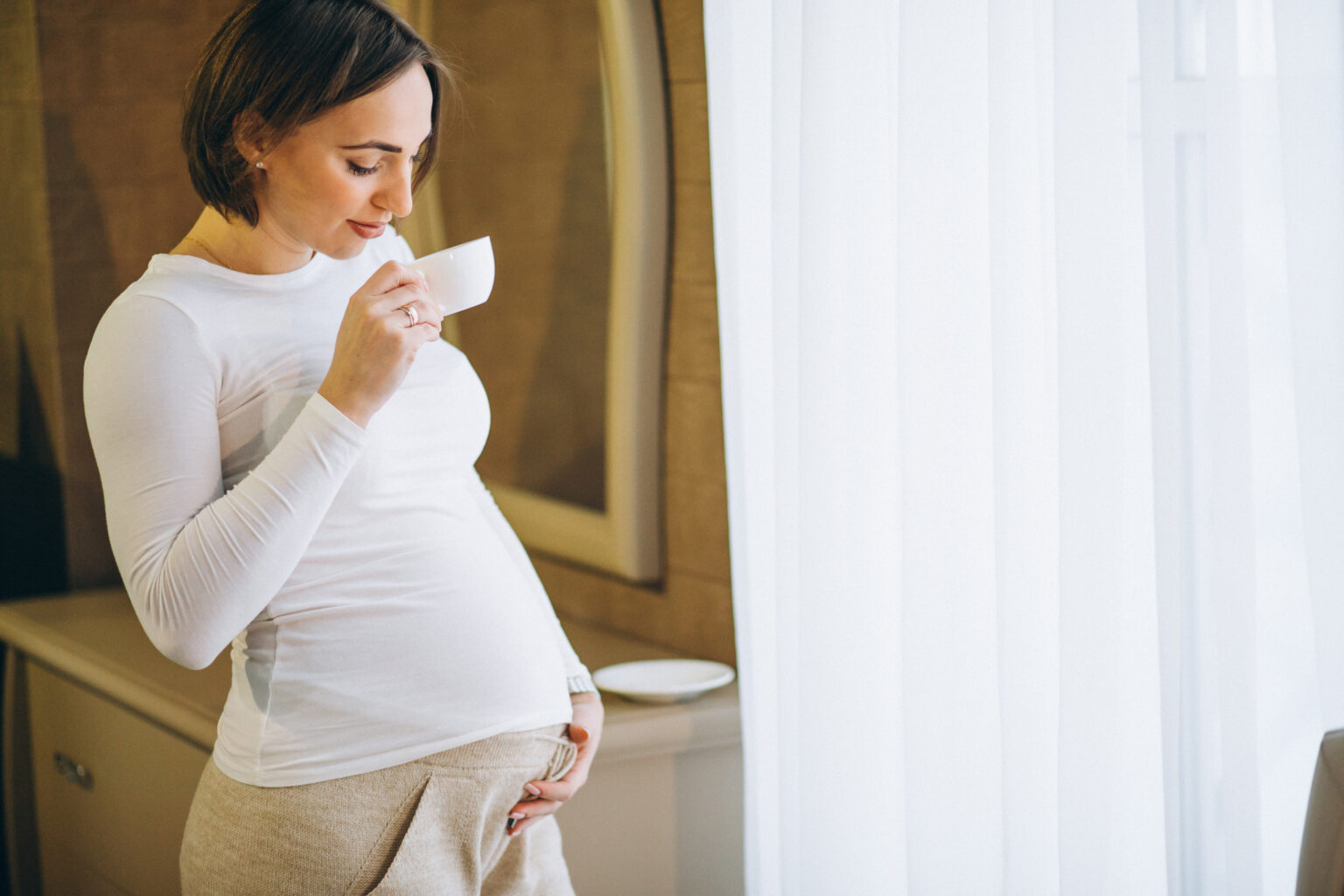
Baby Size at Week 40: From Fruit to Reality
During week 40 of pregnancy, your baby measures about 20 inches long and weighs 3.2 to 3.6 kg, roughly the size of a small watermelon.
What surprises many parents is not size but readiness. Your baby’s body fat now helps regulate temperature and the immune system receives final antibodies from you, supported by maternal nutrition as highlighted in the Pakistan National Nutrition Survey.
Body Changes in the Mother: Why Everything Feels Intense Right Now
At 40 weeks pregnant, hormonal shifts peak. Estrogen and oxytocin rise while progesterone drops, a biological signal preparing the uterus for labor.
Common changes include pelvic pressure, loose joints, frequent urination and disrupted sleep. These changes are not failures of comfort; they are preparations for birth.
The pressure you feel is your baby moving lower into the pelvis called “engagement” making walking harder but breathing easier.


Symptoms in Week 40 of Pregnancy: What’s Normal vs What Needs Attention
Symptoms during week 40 of pregnancy vary greatly. Some women feel nothing new, while others feel everything at once.
You may experience irregular contractions, lower back pain, diarrhea, nausea, or a sudden burst of energy known as “nesting.” These are common labor symptoms, not emergencies.
However, reduced fetal movement, heavy bleeding, severe headache or sudden swelling require immediate medical care, as advised by CDC maternal health guidelines.
What’s New This Week? Subtle Signs Labor Is Near
This week introduces signs like loss of the mucus plug, bloody show and more frequent contractions. Many women confuse false labor vs real labor, especially with Braxton Hicks becoming stronger.
True labor contractions follow a pattern increasing in intensity, frequency and duration while false labor fades with rest or hydration.
Recommended Tests at Week 40: Monitoring Without Panic
Doctors may recommend non-stress tests, biophysical profiles or ultrasound scans during week 40 of pregnancy to ensure placental health and fetal wellbeing.
According to WHO and UNICEF, these tests are precautionary, not indicators of failure. They ensure your baby continues receiving oxygen and nutrients while waiting for labor to begin naturally.
What to Eat at Week 40: Fueling Birth, Not Just Hunger
Nutrition now supports endurance. Focus on iron-rich foods, complex carbohydrates, hydration and easily digestible meals.
Avoid heavy, greasy foods that may worsen heartburn or nausea during labor. The Pakistan National Nutrition Survey emphasizes balanced micronutrients to support maternal strength and postpartum recovery.

Foods to Avoid Right Now: Small Choices, Big Comfort
During week 40 of pregnancy, avoid raw foods, excessive sugar, caffeine and overly spicy meals. These increase dehydration risk and digestive discomfort during labor.
Your goal is steady energy, not fullness.
Exercise at Week 40: Gentle Movement That Helps Labor
Light walking, pelvic tilts, squats, and breathing exercises improve circulation and fetal positioning. Avoid strenuous workouts or anything that strains balance.
Movement encourages oxytocin release, the hormone of labor.
Things to Avoid This Final Week: Protecting Energy & Safety
Avoid long travel, stress overload, and excessive internet searching about overdue babies. Each pregnancy follows its own timeline.
Rest is not laziness, it’s preparation.
Packing the Hospital Bag: Final Week, Final Touches
By week 40 of pregnancy, your hospital bag should be complete. Include comfortable clothing, newborn essentials, documents, snacks, phone chargers and postpartum care items.
Partners should pack their own bag too; emotional presence requires physical readiness.
Advice for Both Parents: You’re a Team Now
For mothers, trust your body. For partners, be calm, observant and supportive. Anxiety transfers, reassurance does too.
UNICEF emphasizes emotional support during labor as critical for positive birth outcomes.
False Labor vs Real Labor signs
Feature | False Labor | Real Labor |
Pattern | Irregular | Regular & increasing |
Pain | Uncomfortable | Intensifying |
Relief | Stops with rest | Continues regardless |
Cervix | No change | Progressive dilation |
Conclusion: You’re Not Late, You’re Right on Time
Week 40 of pregnancy is not about waiting, it’s about trusting. Your body, your baby and your journey are aligned. Birth is not delayed; it is unfolding.
Is it normal if labor hasn’t started at week 40 of pregnancy?
Yes, many babies arrive between 40 to 41 weeks.
How do I know contractions are real?
Real contractions intensify and follow a pattern.
Can I still walk and move?
Yes, gentle movement helps labor.
Is induction mandatory at 40 weeks?
No, unless medical risks exist.
Schedule
An Appointment
If you are in need of medical assistance, whether it be for a routine checkup or for a specific medical concern contact us.

Schedule
An Appointment
If you are in need of medical assistance, whether it be for a routine checkup or for a specific medical concern contact us.
Join Our Growing Online
Community
Stay connected with Dr. Rafiya Zahir and become part of an engaging community committed to women’s healthcare in Pakistan by joining us on various social media platforms.