Week Eight of Pregnancy: When It Finally Feels Real and Overwhelming
Your body is changing fast, your baby is growing faster and your emotions are trying to keep up
Why Week Eight of Pregnancy Feels Like a Turning Point Mentally and Physically
The week eight of pregnancy often hits differently. Until now, pregnancy may have felt theoretical missed periods, test lines and quiet excitement. This week, symptoms intensify, exhaustion deepens and emotions swing harder. Many women say, “This is the week I stopped feeling normal.”
That feeling is valid. Hormone levels especially hCG peak around this time, making pregnancy symptoms week 8 feel relentless. Understanding what’s happening helps replace fear with clarity.
Quick information in this blog
Why Week 7 Feels So Intense And Why You’re Not Weak for Feeling This Way
Your Body at 7 Weeks: Subtle Changes That Feel Loud Inside
Missed Period Reality Check: Why It Still Feels Unreal
7 Weeks Pregnant Symptoms: What’s Normal vs What Needs Attention
Why Week 7 Triggers So Much Fear Even When Everything Is Normal
Your Baby at Week 7: A Tiny Architect at Work
Skin, Eyes & Facial Features: The Blueprint Is Being Drawn
Your Baby’s Brain at Week 7: A Developmental Explosion
Fatigue Isn’t Laziness: The Energy Cost of Organ Creation
Baby Growth Snapshot: Week 6 vs Week 7
What to Eat at 7 Weeks Pregnant When Food Feels Like the Enemy
Nausea Survival Mode: What Actually Helps Beyond Ginger Tea
Weight Changes at Week 7: Why the Scale Lies
Brief details about this specific point.
What Not to Do at Week 7 Even If You Feel “Fine”
Brief details about this specific point.
Final thought
Brief details about this specific point.
Your Body at Week Eight: The Changes No One Prepared You For
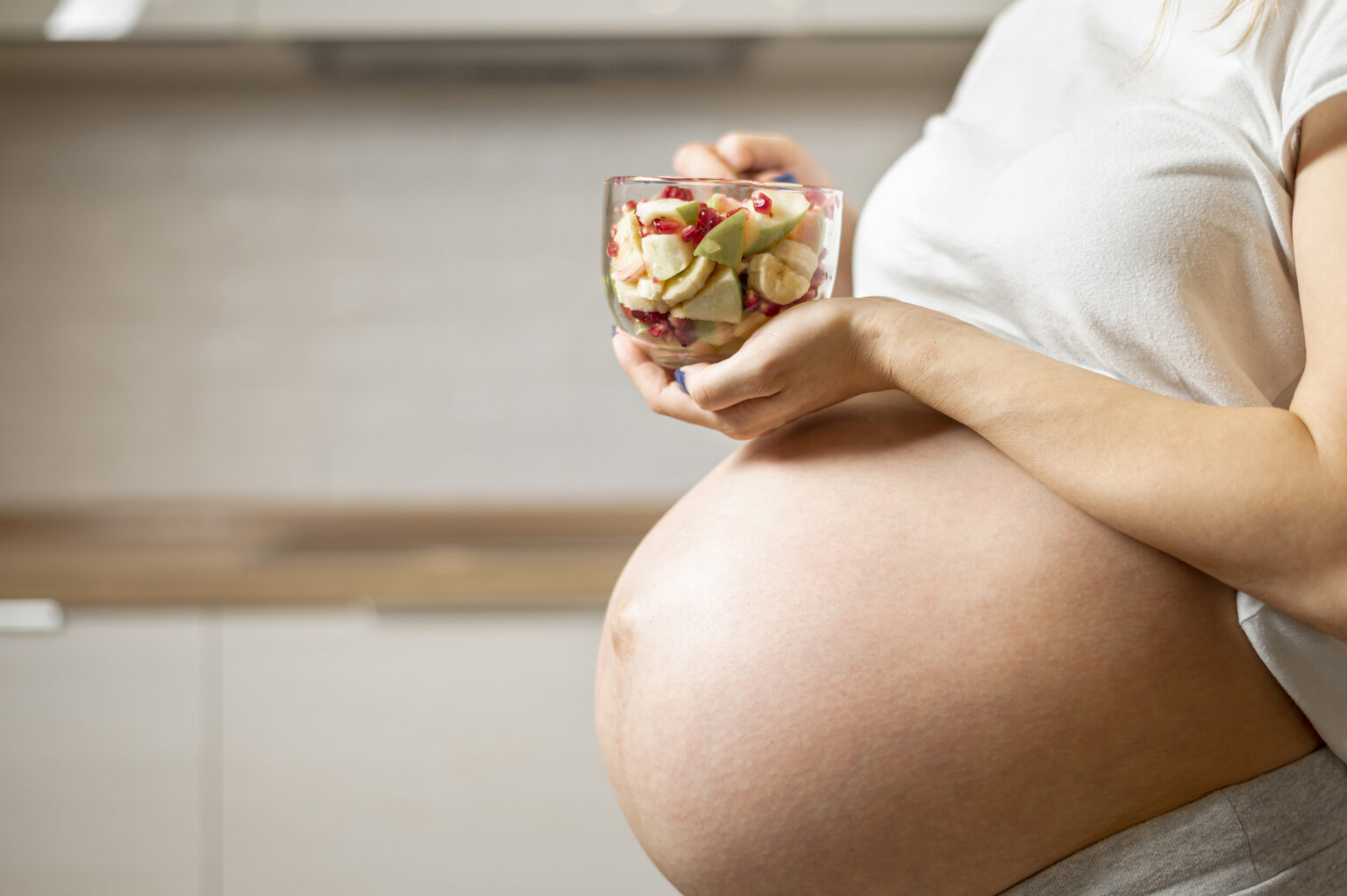
During the week eight of pregnancy, your body prioritizes the pregnancy above everything else.
You may notice stronger nausea, sudden food aversions, bloating, constipation, frequent urination, breast tenderness and emotional sensitivity. Fatigue can feel bone deep. These early pregnancy body changes are not weakness but they are metabolic shifts supporting placental development.
According to CDC maternal health data, this is one of the most physically demanding weeks of the first trimester despite minimal visible changes.
Why Nausea Peaks Now and Why It’s Not “All in Your Head”
Pregnancy nausea week 8 is driven by neurological hormones, not stomach weakness. Rising hCG interacts with the brain’s vomiting center, while progesterone slows digestion.
Small, frequent meals, protein rich snacks, hydration and vitamin B6 under medical guidance can help. WHO guidance emphasizes preventing dehydration at this stage to support placental blood flow.
If vomiting becomes severe or persistent, medical care is essential, not optional.
Baby Development at 8 Weeks: Tiny, Complex and Astonishing
Baby development at 8 weeks enters a critical phase. The embryo now officially transitions toward being called a fetus.
The brain continues rapid expansion. Neural pathways form daily. Facial features become more defined. Tiny fingers and toes begin separating. The heart beats rhythmically. Early eye structures form beneath fused eyelids.
This first trimester fetal growth is why nutrition and rest matter profoundly right now. By week 9 of pregnancy, your baby is no longer just forming, organs are beginning to function in basic ways.
The heart continues to beat rhythmically. The brain develops rapidly, forming distinct regions. Facial features become more recognizable, including eyelids and a nose.
Tiny arms and legs move, though you can’t feel it yet. Fingers and toes are more defined, and early muscle development begins.
This stage is why early nutrition and rest matter so much you’re supporting lifelong systems now.


How Big Is Your Baby This Week?
Your baby is about the size of a grape. That may sound small but growth at this stage is exponential. Each day brings new neural connections and cellular specialization.
This rapid first trimester fetal growth is why fatigue often peaks here.
Nutrition at Week 9: Eating for Function, Not Cravings
By week 9, appetite may still be unpredictable. Focus less on “perfect meals” and more on consistent nourishment. Protein, iron, calcium, iodine and folate remain priorities.
WHO maternal nutrition guidance emphasizes adequacy over variety in early pregnancy eating what stays down is better than forcing ideal foods.
Hydration is equally important. Dehydration worsens nausea, dizziness and headaches.
Prenatal Tests and Appointments Around Week 9
Many providers confirm pregnancy dating through ultrasound around this time. Blood work may include hemoglobin levels, infection screening, thyroid assessment and blood group typing.
Early antenatal care aligns with UNICEF and WHO recommendations, reducing complications later in pregnancy.
Emotional Shifts: Why You Might Feel Quietly Anxious
Week 9 often brings a quieter kind of anxiety. You may worry about miscarriage, upcoming responsibilities, or whether symptoms are “normal enough.”
This emotional load is common and valid. The Pakistan National Nutrition Survey and UNICEF maternal health reports both emphasize early pregnancy as a psychologically vulnerable period especially when symptoms isolate women socially.
Talking helps. So does accurate information.
Daily Life at Week 9: Working, Resting, and Adjusting Expectations
Productivity may dip. Concentration can feel fragmented. This is not a personal failure, it’s physiology.
Short breaks, hydration, nutrient-dense snacks and permission to rest are protective strategies, not indulgences.
What to Avoid This Week Still Important
Continue avoiding alcohol, smoking, recreational drugs, unapproved medications, raw or undercooked foods, overheating and exposure to infections.
Early pregnancy exposure has long-term implications, as emphasized by CDC fetal development research.
When Should You Call the Doctor at Week 9?
Seek care if you experience heavy bleeding, severe abdominal pain, persistent vomiting, fever or sudden loss of pregnancy symptoms accompanied by pain.
Reassurance visits are part of good care not an inconvenience.
Week 9 Reality Check: Symptoms vs Reassurance

Experience | Usually Normal | Needs Medical Advice |
Nausea | Daily waves | Vomiting all fluids |
Fatigue | Needing naps | Sudden extreme weakness |
Mood swings | Emotional sensitivity | Persistent despair |
Cramping | Mild stretching | Sharp or worsening pain |
Appetite | Reduced | Complete food intolerance |
Advice for Both Parents: This Journey Is Shared
Pregnancy isn’t a solo experience. Partners should support emotionally and practically attending appointments, sharing household tasks and offering reassurance.
Open communication strengthens relationships and reduces stress for both parents.
Expert Backed Health Tips for What to Do Next
Focus on sleep quality, hydration, gentle activity, and regular checkups. UNICEF maternal health guidance emphasizes rest and emotional support during the late second trimester.
Prepare mentally not anxiously for the weeks ahead.
When to Call Your Doctor Immediately
Contact your healthcare provider if you notice reduced fetal movement, severe swelling, intense headaches, bleeding or persistent pain.
Early communication prevents complications.
A Gentle Word from Dr. Rafiya Zahir’s Team
At DrRafiyaZahir.com, we understand that every pregnancy feels personal. If you need reassurance, guidance, or expert prenatal care, our team is here to support you with compassion and experience.
Book your consultation today and feel confident in every step of your pregnancy journey.
Conclusion: Week 8 of Pregnancy Is About Trusting the Process
Week 8 of pregnancy is not about doing everything perfectly. It’s about listening to your body, your baby and your instincts. With informed choices, emotional care and expert guidance, you are already doing more than enough.
Is it normal to still feel awful?
Yes. Many women peak symptom-wise around weeks 8 to 10.
Can symptoms suddenly disappear?
Fluctuations are common, but sudden loss with pain needs evaluation.
Can I exercise?
Gentle movement is usually safe unless advised otherwise.
Why am I so emotional?
Hormones + fatigue + life changes = emotional sensitivity.
Schedule
An Appointment
If you are in need of medical assistance, whether it be for a routine checkup or for a specific medical concern contact us.

Schedule
An Appointment
If you are in need of medical assistance, whether it be for a routine checkup or for a specific medical concern contact us.
Join Our Growing Online
Community
Stay connected with Dr. Rafiya Zahir and become part of an engaging community committed to women’s healthcare in Pakistan by joining us on various social media platforms.