Why Normal Delivery Is Rare Now
The silent shift in childbirth that most women were never prepared for
There was a time when normal delivery was considered the natural and expected way to give birth. Mothers trusted their bodies, families trusted the process and birth was viewed as a physiological event rather than a medical emergency. Today, many women walk into pregnancy already convinced that surgery is inevitable. This emotional shift raises a deeply important question: why normal delivery is rare now, even among healthy women with uncomplicated pregnancies?
This is not just a medical issue. It is emotional. It is cultural. It is systemic. And for many mothers, it feels confusing, frightening and unfair.
Quick information in this blog
Why Week 7 Feels So Intense And Why You’re Not Weak for Feeling This Way
Your Body at 7 Weeks: Subtle Changes That Feel Loud Inside
Missed Period Reality Check: Why It Still Feels Unreal
7 Weeks Pregnant Symptoms: What’s Normal vs What Needs Attention
Why Week 7 Triggers So Much Fear Even When Everything Is Normal
Your Baby at Week 7: A Tiny Architect at Work
Skin, Eyes & Facial Features: The Blueprint Is Being Drawn
Your Baby’s Brain at Week 7: A Developmental Explosion
Fatigue Isn’t Laziness: The Energy Cost of Organ Creation
Baby Growth Snapshot: Week 6 vs Week 7
What to Eat at 7 Weeks Pregnant When Food Feels Like the Enemy
Nausea Survival Mode: What Actually Helps Beyond Ginger Tea
Weight Changes at Week 7: Why the Scale Lies
Brief details about this specific point.
What Not to Do at Week 7 Even If You Feel “Fine”
Brief details about this specific point.
Final thought
Brief details about this specific point.
The Global Reality Check: Normal Birth Is Declining Everywhere
Why so many mothers feel they “failed” when it was never their fault
Across the world, the decline in normal delivery is no longer subtle. According to the World Health Organization, cesarean sections should ideally remain between 10 to 15% of total births. Yet in many countries, including urban regions, the increase in cesarean births has crossed 40 to 50%.
This dramatic rise is not because women suddenly became incapable of giving birth naturally. It reflects changes in medical systems, hospital protocols, patient expectations and risk management practices. The tragedy is that many women internalize this trend as a personal failure rather than a structural shift.
Modern Medicine vs Natural Physiology
When safety protocols quietly replace patience
One major reason why normal delivery is rare now lies in how modern healthcare manages time and risk. Normal labor is unpredictable. It can take hours or even days. Hospitals, however, operate on schedules, staffing limits and legal accountability.
When labor progresses slowly, medical intervention often begins early. Induction drugs, continuous monitoring and strict labor timelines can unintentionally disrupt the body’s natural rhythm. What starts as a normal labor may quickly turn into a cascade of interventions that end in surgery.
The Hidden Role of Hormones in Making Normal Delivery Rare

Why the birth environment matters more than most women realize
One overlooked reason why normal delivery is rare now is hormonal disruption during labor. Oxytocin, the hormone responsible for strong, effective contractions, thrives in calm, safe and private environments. Bright lights, constant interruptions, fear, and lack of emotional reassurance can suppress oxytocin and increase stress hormones like cortisol.
When this balance shifts, contractions weaken or become irregular, leading doctors to label labor as “not progressing.” Understanding this hormonal connection explains why emotional safety is not a luxury but it is a medical necessity for normal delivery.


The Fear Factor: How Pain Anxiety Shapes Birth Decisions
Why fear, not danger, is driving delivery choices
Fear plays a far bigger role than most people realize. Stories of unbearable pain, traumatic births and emergency surgeries circulate freely, especially online. For first time mothers this creates a mental environment where normal delivery vs c-section feels like a choice between suffering and control.
Without proper counseling, women may request planned surgeries believing they are safer, easier or less traumatic. The irony is that fear itself increases stress hormones, which can slow labor and increase complications.
Why First Time Mothers Face the Highest Risk of Unnecessary C-Sections
The experience gap that silently changes outcomes
First time mothers are statistically more likely to undergo surgical birth not because their bodies are incapable but because they lack experience and confidence in the labor process. Unfamiliar sensations, slow early labor and normal pain responses are often mistaken for warning signs. Without reassurance, these mothers may consent to early interventions that increase the chance of cesarean delivery.
This pattern strongly contributes to why normal delivery is rare now, especially among younger or first time pregnant women who have never seen physiological birth up close.
Lifestyle Shifts That Changed Women’s Bodies
How modern living quietly altered pregnancy outcomes
Sedentary lifestyles, nutritional deficiencies, late age pregnancies, obesity and chronic stress have all increased modern pregnancy complications. These factors can affect pelvic strength, hormonal balance and stamina during labor.
The Pakistan National Nutrition Survey highlights widespread micronutrient deficiencies that directly impact maternal health. When the body lacks iron, calcium or protein, labor endurance naturally suffers, increasing intervention risks.
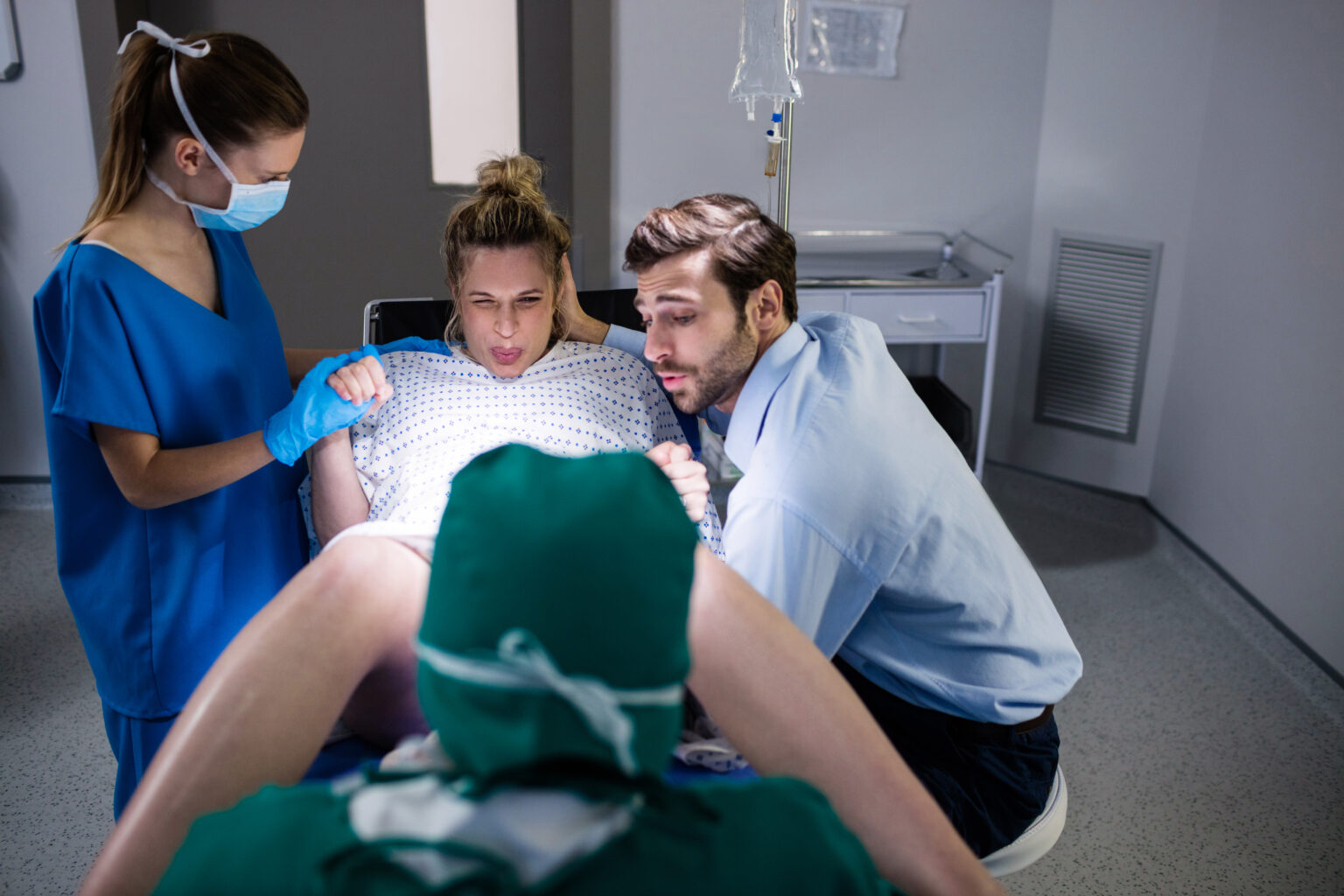
How Social Media and Birth Myths Distort Pregnancy Expectations
When viral stories replace medical reality
Another modern factor behind why normal delivery is rare now is misinformation. Social media often amplifies extreme birth stories either terrifying emergencies or unrealistically painless births leaving little room for balanced truth. These narratives increase anxiety, lower pain tolerance and create unrealistic expectations.
When reality does not match these stories, women feel panic rather than trust in the process. Replacing myths with evidence based education can dramatically change how women experience labor and how long they are willing to allow it to progress naturally.
Why Doctors Feel Pressured to Choose Surgery
Understanding the system doctors work inside
Another uncomfortable truth behind why normal delivery is rare now lies in medical liability. Complicated labor carries legal risks. A cesarean, though major surgery often feels more controlled and defensible in legal settings.
This does not mean doctors are careless. It means they practice within systems that reward predictability over patience. Over time, this environment subtly shifts medical decision making.
Hospital Birth Practices That Reduce Natural Birth Chances
How small policies create big outcomes
Many hospitals still limit movement during labor, restrict food intake and insist on continuous fetal monitoring. These practices can interfere with gravity, comfort and hormonal flow.
Women rarely realize that simple freedoms walking, squatting and eating lightly can significantly improve labor progress. When these are restricted, labor may stall, reinforcing the belief that surgery was necessary.
Normal Delivery vs C-Section: A Clear Comparison
Aspect | Normal Delivery | Cesarean Section |
Recovery time | Faster, natural healing | Longer, surgical recovery |
Future pregnancies | Lower complication risk | Higher risk of placenta issues |
Emotional impact | Often empowering | Can feel traumatic if unplanned |
Hospital stay | Shorter | Longer |
This table alone explains why understanding why normal delivery is rare now matters so deeply for informed choice.
Can Normal Delivery Make a Comeback?
Hope grounded in awareness, not nostalgia
Yes but only if systems change and women feel empowered rather than frightened. Countries that invest in midwifery care, emotional counseling and respectful maternity practices see healthier outcomes with fewer unnecessary surgeries.
The Centers for Disease Control and Prevention supports evidence based labor support models that reduce intervention rates.
How Personalized Pregnancy Care Changes Everything
Because no two bodies are the same
Pregnancy is not one size fits all. Personalized monitoring, honest communication and individualized birth planning help women feel safe without rushing decisions. When trust replaces fear, natural processes often unfold more smoothly.
When to Call Your Doctor Immediately
Contact your healthcare provider if you notice reduced fetal movement, severe swelling, intense headaches, bleeding or persistent pain.
Early communication prevents complications.
A Gentle Word from Dr. Rafiya Zahir’s Team
At DrRafiyaZahir.com, we understand that every pregnancy feels personal. If you need reassurance, guidance, or expert prenatal care, our team is here to support you with compassion and experience.
Book your consultation today and feel confident in every step of your pregnancy journey.
Conclusion: The Truth Women Deserve to Hear
Understanding why normal delivery is rare now helps women replace fear with knowledge. When pregnancy care respects physiology, emotions, and individuality, childbirth becomes safer not just physically but emotionally too. Normal delivery may be less common today but with the right support, it is far from impossible.
Is normal delivery still safe today?
Yes, for many women it remains the safest option when no medical complications exist.
Can fear alone affect labor progress?
Absolutely. Stress hormones can slow contractions and increase intervention risk.
Are all C-sections unnecessary?
No. Many are lifesaving. The issue is unnecessary or rushed ones.
Does age affect chances of normal delivery?
Age can influence risk but preparation and health matter more.
Schedule
An Appointment
If you are in need of medical assistance, whether it be for a routine checkup or for a specific medical concern contact us.

Schedule
An Appointment
If you are in need of medical assistance, whether it be for a routine checkup or for a specific medical concern contact us.
Join Our Growing Online
Community
Stay connected with Dr. Rafiya Zahir and become part of an engaging community committed to women’s healthcare in Pakistan by joining us on various social media platforms.