Your Next Step Toward Fertility Starts Here: An Evidence Based Guide to Conceiving Faster
A clear, evidence based roadmap for women and couples who want answers, not guesses
“Har cycle ke baad disappointment feel karna bohat mushkil hota hai.”
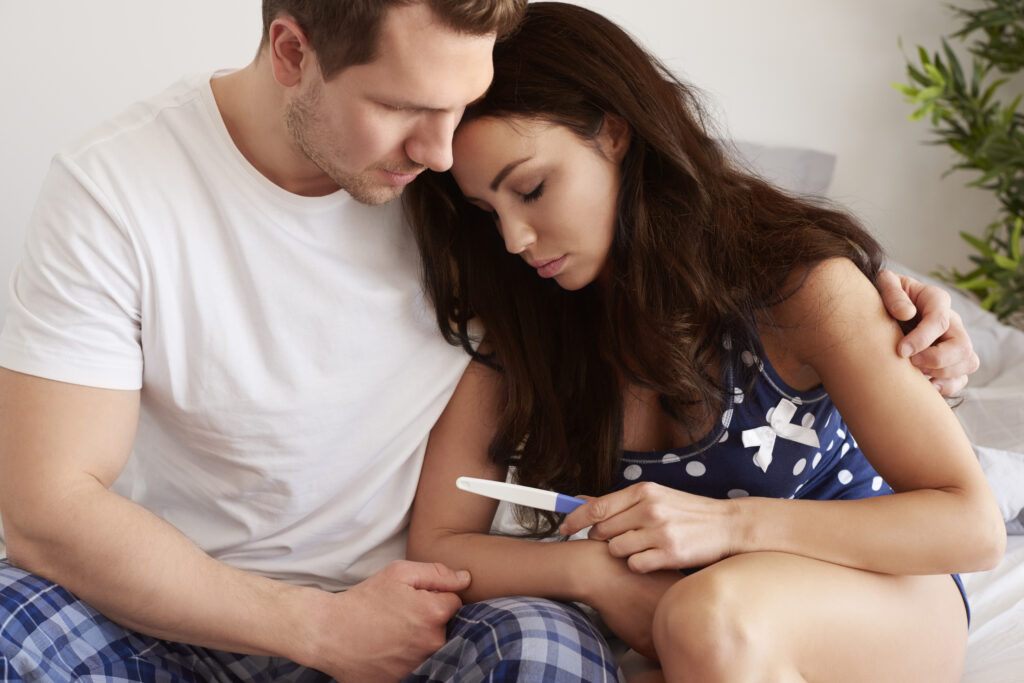
As a gynaecologist and fertility specialist, I hear this sentence almost every day. The silent heartbreak after every negative pregnancy test. The forced smile when someone else announces good news.
The questions that creep in late at night“Kya mujh mein hi koi kami hai?”
Let me tell you this clearly and medically: you are not alone and this is not your fault.Infertility is not rare. It is not a weakness. According to the World Health Organization, infertility affects millions of couples worldwide, cutting across age, culture and geography.
This fertility treatment guide is written to replace confusion with clarity and fear with a plan. My promise to you is simple: by the end of this guide, you will understand why conception may be delayed and what your next best step should be based on science, not guesswork.
Quick information in this blog
Global Infertility Rates Explained: What WHO Data Reveals About Today’s Reality
Region | Infertility Rate |
Global | 12 to 15% couples |
South Asia | 15 to 18% couples |
Middle East | 10 to 12% couples |
These numbers remind us that infertility is a medical condition, not a personal failure.
Why Conceiving Feels So Hard: The Real, Research Backed Reasons

One of the biggest myths I encounter is that infertility is “mostly a woman’s issue.” Science tells a very different story. According to the American Society for Reproductive Medicine, infertility is a shared medical challenge.
Medical Causes of Infertility: What ASRM Identifies Most Often
Cause | Percentage |
Female factor | 38% |
Male factor | 30% |
Combined | 20% |
Unexplained | 12% |
This fertility treatment guide emphasizes something crucial: both partners must be evaluated together. Delays happen when we assume instead of investigate.
Ovulation Problems Explained: PCOS, Hormones and Missed Fertile Windows
Ovulation is the cornerstone of conception. Without regular ovulation, pregnancy becomes unpredictable.
Conditions like PCOS and fertility issues are among the most common reasons women struggle to conceive. Globally, PCOS affects about 6 to 10% of women and accounts for nearly 70% of ovulation related infertility cases (NIH/NCBI).
When hormones such as LH, FSH, insulin and androgens are out of balance, the ovary may not release an egg regularly.
Many women tell me, “Doctor, periods to aa jate hain, phir bhi pregnancy nahi hoti.” Regular bleeding does not always mean ovulation is healthy, this is where testing becomes critical.
Tubal Blockage: The Hidden Fertility Barrier Many Women Never Suspect
Another silent contributor is tubal blockage, present in approximately 10 to 20% of infertile women (Fertility & Sterility Journal).
Often caused by untreated infections, pelvic inflammatory disease or previous surgeries, blocked tubes prevent sperm and egg from meeting.
The hopeful part is something I always emphasize is that many tubal issues are treatable.
Simple diagnostic and therapeutic procedures like HSG or SSG can restore fertility in selected cases. This is why early infertility diagnosis matters so deeply.
Male Factor Infertility: Why 1 in 3 Couples Face This Challenge?
Male infertility is responsible for nearly one third of infertility cases worldwide. Low sperm count, poor motility and DNA fragmentation are common findings reported in the WHO Semen Analysis Report.
Yet, men are often evaluated last or not at all. In this fertility treatment guide, I stress that semen analysis is not optional. It is essential, simple and noninvasive and it can save months or years of emotional strain.
Age and Fertility: The Most Important Factor That Changes Everything
Age is not just a number when it comes to fertility. It directly affects both egg quantity and egg quality.
How Egg Quantity and Quality Decline With Age What the Science Shows?
Age | Remaining Egg Reserve |
25 | 100% |
30 | 80% |
35 | 50% |
40 | 20% |
45 | <5% |
(Source: ASRM & Harvard Medical School)
What many women don’t realize is this: age reduces quality faster than quantity.
Chromosomal abnormalities increase with age, which affects implantation and miscarriage risk. This reality is not meant to scare you but to empower timely decisions.
The Costliest Fertility Mistake: Waiting Too Long to Get Answers
Hope is powerful, but delay can be harmful. Many women wait years hoping things will “fix naturally.” Data from the CDC shows that natural conception rates drop sharply after 35.
Pregnancy Rate per Cycle by Age
Age | Natural Conception Rate |
25 to 29 | 25 to 30% |
30 to 34 | 15 to 20% |
35 to 39 | 10% |
40 to 44 | <5% |
The goal of this fertility treatment guide is not to rush you but to prevent lost time.

Your Fertility Roadmap: A Step by Step Diagnostic Path That Saves Time
A structured plan removes anxiety. Fertility should never be approached randomly. I follow a clear diagnostic roadmap that identifies problems early and avoids unnecessary treatments.
We begin with a hormone panel including FSH, LH and AMH test which gives insight into egg reserve.
Ultrasound follicle monitoring helps us confirm ovulation patterns.
A semen analysis evaluates the male factor.
Structural scans look for fibroids or cysts and tube patency tests such as HSG or SSG assess whether the fallopian tubes are open. Only after this do we decide whether conceiving naturally, IUI or IVF is appropriate.
Fertility Diagnostics Made Simple: What Each Test Really Tells You
Which Test Reveals What? (ACOG)
Test | Reveals |
AMH | Egg reserve |
Ultrasound | PCOS, cysts, fibroids |
HSG | Tube blockage |
Semen test | Male factor |
Thyroid panel | Hormonal imbalance |
Each test answers a specific question. Together, they create clarity.
Treatment Paths Explained: From Least to Most Intensive Options

Treatment is not one size fits all. In this fertility treatment guide, I explain options in layers starting with the least invasive.
Natural support includes lifestyle optimization, stress management and evidence backed supplements such as myo-inositol, vitamin D and CoQ10, supported by Human Reproduction and the Journal of Endocrinology.
Medical treatments like clomiphene and letrozole help induce ovulation, while metformin improves insulin resistance in PCOS.
Minimally invasive procedures like tube flushing may restore fertility, while advanced options such as IUI treatment, IVF and ICSI are reserved for specific indications.
Treatment Success Rates: What the Numbers Actually Mean for You
IUI Success Rates Per Cycle: What ASRM Data Shows
Age | Success |
<35 | 15 to 20% |
35 to 37 | 10 to 12% |
>38 | 5 to 7% |
IVF Success Rates Explained: Interpreting CDC Reported Outcomes
Age | IVF Success |
<35 | 45 to 55% |
35 to 37 | 35 to 40% |
38 to 40 | 25 to 30% |
>40 | 10 to 15% |
Success depends on diagnosis, age and timely intervention.
Fertility Self Assessment Checklist: Are You Missing Critical Signs?
A Gentle Reality Check
Before we talk about tests, treatments or timelines, I always ask my patients to pause and reflect. Many women walk into my clinic carrying years of silent questions, blaming themselves without understanding what their body is actually trying to say. This simple checklist helps you listen to those signals without fear, without judgment. Please read each point slowly and honestly. There is no right or wrong answer here.
☐ Cycle irregular: Your periods come late, early or skip months entirely, making it hard to predict ovulation.
☐ Painful periods: Severe cramps, heavy bleeding or pain that disrupts daily life, which may signal hormonal imbalance or conditions like endometriosis.
☐ Acne and unwanted hair growth: Persistent acne, facial hair or hair thinning, often linked with PCOS or excess androgens.
☐ Weight issues: Difficulty losing weight or sudden weight gain despite lifestyle efforts, commonly connected to insulin resistance or hormonal disruption.
☐ Low libido: Reduced desire, vaginal dryness or emotional disconnection, often overlooked but deeply tied to hormonal health.
☐ Partner semen issues: Known concerns with sperm count, motility or morphology, which affect nearly one third of couples trying to conceive.
☐ Miscarriage history: One or more pregnancy losses, which deserve evaluation not silence or self blame.
Agar aap ne 3 ya zyada boxes tick kiye, professional guidance zaroori hai.
This does not mean something is “wrong” with you. It means your body is asking for clarity, support and a personalized fertility plan, nothing more, nothing less.
Real Stories, Real Outcomes: Fertility Case Studies That Offer Clarity
Over the years, I have learned that statistics give information but stories give courage. Below are real patient journeys that reflect what is possible when the right diagnosis meets the right treatment at the right time.
Case Study 1: PCOS at 29 Restoring Ovulation Naturally and Medically
“Mujhe lagta tha main kabhi maa nahi ban sakti.”
She came to me exhausted mentally and emotionally. Her cycles were unpredictable, sometimes disappearing for months. Acne and weight gain had already shaken her confidence and every negative pregnancy test felt like a personal failure.
Investigations confirmed PCOS with anovulation, a condition affecting millions of women worldwide.Instead of rushing into aggressive treatment, we focused on ovulation induction, cycle tracking and correcting hormonal imbalance. Within three months, her body responded beautifully. When she saw two lines on her pregnancy test, her first words were, “Doctor, mujhe yaqeen nahi aa raha.”
Sometimes, all fertility needs is the right nudge not force.
Case Study 2: Tubal Blockage at 34 From Diagnosis to Successful Treatment
The Hidden Barrier No One Talks About
She had regular periods and no obvious symptoms, yet had been trying to conceive for over two years. This is one of the hardest situations emotionally when everything “seems normal” but nothing is happening.
An SSG test revealed a partial tubal blockage, likely from a past silent infection.
We proceeded with tube flushing, a minimally invasive procedure that many women don’t even realize can be therapeutic. Just two cycles later, she conceived naturally. Her case is a powerful reminder: sometimes fertility doesn’t fail, it’s simply blocked, waiting to be gently opened.
Case 3: Case Study 3: Male Factor Infertility at 32 The Often Overlooked Diagnosis
“Problem meri nahi thi, lekin bojh mera tha.”
This couple had been silently struggling, with all attention placed on the woman, tests, medications and emotional stress.
A simple semen analysis changed everything. The issue was low motility, a male factor responsible for nearly 30% of infertility cases worldwide. With targeted counseling and IUI (Intrauterine Insemination), they achieved pregnancy within a few cycles. The relief was visible not just joy, but release from misplaced guilt.
Fertility is a couple’s journey, never a woman’s burden alone.
A Gentle Reminder From Me to You
If you saw yourself in any of these stories, know this:
Your journey is valid. Your fears are understandable. And your chances are often better than you’ve been led to believe.With early evaluation, evidence based care, and compassionate guidance, fertility becomes clearer, calmer and far less frightening.
Evidence Based Fertility Boosters That Actually Support Conception
Adequate sleep, sugar reduction, stress control, vitamin D, folic acid, quitting smoking and moderate exercise are all proven to support fertility (WHO & British Fertility Society). Small changes compound into powerful results.
The Emotional Side of Infertility: You’re Not Weak, You’re Human
Aap akele nahi hain. Millions of couples walk this path every year and many succeed. Fertility care is as emotional as it is medical and both deserve attention.
Your Next Step Support Without Pressure, Information Without Fear
Get Your Free Fertility Clarity Snapshot
This includes symptom review, possible causes, recommended tests, a personalized treatment roadmap and a realistic timeline without pressure or judgment.
Aap ki journey ka next step yahin se start hota hai.
Closing Thoughts: Taking Back Control of Your Fertility Journey
Motherhood aap ke qabil hai. With clarity, science and the right plan, hope becomes possible again. Your next step toward fertility truly starts here.
Learn more or seek guidance at https://drrafiyazahir.com/
FREQUENTLY ASKED QUESTIONS
Will laser vaginal tightening change how my body naturally feels?
No. The goal is to restore natural firmness, elasticity and comfort, not to create anything artificial or extreme.
How soon can I feel a difference after the treatment?
Many women notice subtle improvements within 2 to 3 weeks, while full results develop gradually over 6 to 12 weeks as collagen rebuilds.
Is this treatment only for women after childbirth?
Not at all. Women experiencing aging related changes, hormonal imbalance, menopause or painful intimacy also benefit greatly.
Can laser tightening help with dryness even if I’m not menopausal?
Yes. Laser therapy improves blood flow and tissue hydration, helping dryness caused by stress, breastfeeding or hormonal fluctuations.
Does laser vaginal tightening affect fertility or future pregnancies?
No. The treatment works only on surface and supportive tissues and does not interfere with fertility or the uterus.