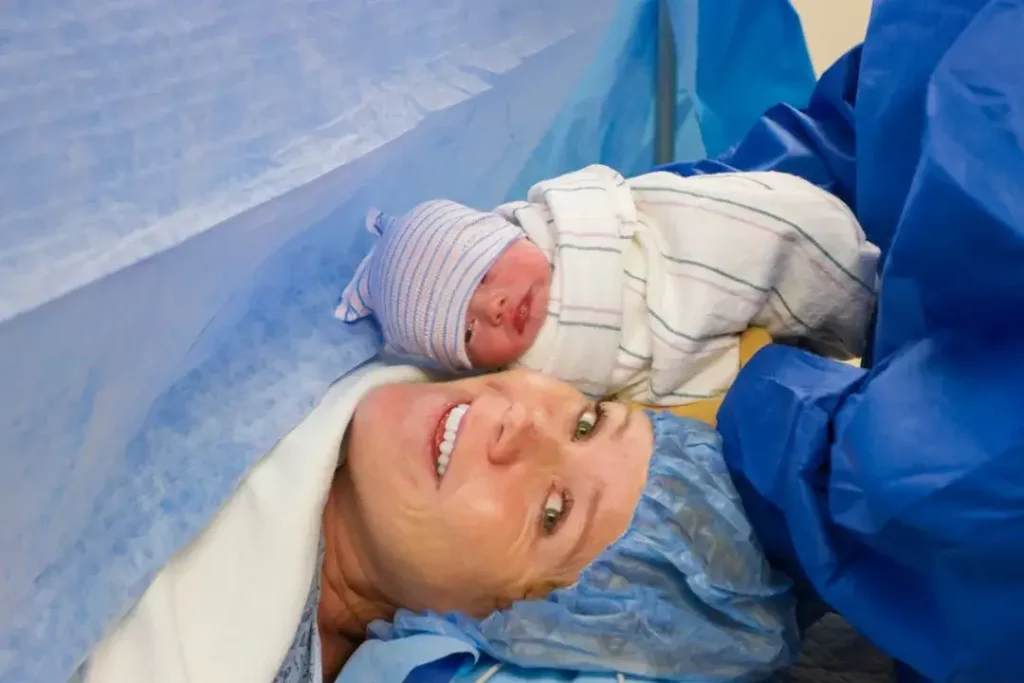
Before Ramadan Arrives The Silent Health Step Many Expecting Mothers Regret Skipping
For caring moms to be who want to protect their baby while honoring faith and health decisions confidently
The Emotional Reality: When Faith, Motherhood and Health Decisions Collide
Ramadan is deeply spiritual, peaceful and emotionally powerful. But if you are pregnant, the month can also bring anxiety. Many expecting mothers quietly wonder whether they should fast, whether it could harm their baby or whether their body can handle long fasting hours. This is where a pre- Ramadan medical checkup becomes essential not as a restriction but as empowerment.
Many pregnant women feel pressure from family traditions, cultural expectations or personal spiritual goals. However, pregnancy is a time when your body is already working overtime. Blood volume increases. Nutritional demands rise. Hormones fluctuate. Without proper preparation, fasting can feel exhausting instead of spiritual.
A pre- Ramadan medical checkup helps you make a safe, personalized decision instead of guessing or relying on general advice.
Quick information in this blog
Why Week 7 Feels So Intense And Why You’re Not Weak for Feeling This Way
Your Body at 7 Weeks: Subtle Changes That Feel Loud Inside
Missed Period Reality Check: Why It Still Feels Unreal
7 Weeks Pregnant Symptoms: What’s Normal vs What Needs Attention
Why Week 7 Triggers So Much Fear Even When Everything Is Normal
Your Baby at Week 7: A Tiny Architect at Work
Skin, Eyes & Facial Features: The Blueprint Is Being Drawn
Your Baby’s Brain at Week 7: A Developmental Explosion
Fatigue Isn’t Laziness: The Energy Cost of Organ Creation
Baby Growth Snapshot: Week 6 vs Week 7
What to Eat at 7 Weeks Pregnant When Food Feels Like the Enemy
Nausea Survival Mode: What Actually Helps Beyond Ginger Tea
Weight Changes at Week 7: Why the Scale Lies
Brief details about this specific point.
What Not to Do at Week 7 Even If You Feel “Fine”
Brief details about this specific point.
Final thought
Brief details about this specific point.
The Hidden Medical Risks No One Talks About During Ramadan Pregnancy Fasting
Pregnancy changes metabolism dramatically. When fasting for long hours, the body shifts energy sources faster, which can affect both mother and baby. Research from global health organizations emphasizes monitoring maternal nutrition and hydration during pregnancy because both directly affect fetal development.
According to global maternal health guidance aligned with WHO recommendations, proper prenatal monitoring helps reduce risks like anemia, dehydration and blood sugar imbalance all of which can worsen if fasting is not medically supervised.
Without a pre- Ramadan medical checkup, pregnant women may unknowingly risk:
Dehydration, which can reduce amniotic fluid levels. Low blood sugar episodes, which can cause dizziness or fainting. Nutritional deficiencies, especially iron and folate. Increased fatigue, which can affect daily functioning and emotional well being.
This is why doctors emphasize prenatal checkup before Ramadan planning rather than last minute decisions.

Why a Pre-Ramadan Medical Checkup Is Not Optional It’s Protective Motherhood in Action
A pre- Ramadan medical checkup evaluates your pregnancy stage, baby growth, blood levels, hydration status and overall stamina. It allows doctors to assess whether fasting is safe, needs modification or should be postponed.
During the visit, doctors usually review hemoglobin levels, glucose levels, blood pressure and fetal growth. These factors directly influence whether Ramadan fasting pregnancy safety can be maintained.
For example, if you already have mild anemia, fasting could worsen fatigue and oxygen supply issues. If you have gestational diabetes risk, fasting without monitoring could destabilize blood sugar.
This checkup transforms fasting from a risky guess into an informed, medically supported decision.
The Science Behind Fasting and Pregnancy What Actually Happens Inside Your Body
When you fast, your body first uses stored glucose, then shifts to fat metabolism. During pregnancy, the baby depends heavily on stable glucose supply. Sudden drops can cause maternal weakness and fetal stress signals.
Medical guidance related to pregnancy fasting medical advice suggests careful monitoring because pregnancy increases metabolic demand by up to 20 percent. Without balanced nutrition windows, fatigue and dehydration appear faster than normal.
This is why a pre- Ramadan medical checkup helps doctors predict how your body might respond to fasting hours based on trimester and health history.


The Trimester-Specific Fasting Reality Most Pregnant Women Discover Too Late
Pregnancy is not one long identical journey. Each trimester places different demands on the body, and fasting tolerance can change dramatically from month to month.
During the first trimester, many women already struggle with nausea, vomiting and food aversions. Adding fasting on top of that can intensify dehydration and energy depletion. During the second trimester, the baby experiences rapid growth, which means nutritional demand increases significantly.
Many women feel stronger during this stage, but iron and protein needs peak, which means fasting without planning can silently create deficiencies. During the third trimester, fluid balance and energy reserves become critical because the body is preparing for delivery. Even mild dehydration can trigger fatigue, contractions or reduced comfort.
This is why a pre- Ramadan medical checkup becomes essential: it helps doctors evaluate whether your current trimester stage can support fasting safely or whether modifications are needed.
Understanding trimester specific needs helps expecting mothers make confident, guilt free decisions based on science, not pressure.
Comparison Table: Fasting Without Checkup vs With Pre-Ramadan Medical Checkup
Factor | Without Checkup | With Checkup |
Hydration Monitoring | Guess based | Lab & symptom based |
Nutrition Planning | General advice | Trimester specific |
Fasting Safety | Uncertain | Medically guided |
Baby Growth Tracking | Unknown | Measured & tracked |
Risk Prevention | Reactive | Preventive |
The Trimester Truth Why Fasting Safety Changes Month by Month
During the first trimester, nausea and vomiting already increase dehydration risk. During the second trimester, nutritional demands peak. During the third trimester, fluid balance becomes critical.
This is why fasting during pregnancy risks vary depending on the pregnancy stage. A pre- Ramadan medical checkup identifies whether your body currently has enough nutritional reserve to safely attempt fasting.

The Nutrient Deficiencies That Can Worsen During Ramadan Pregnancy Fasting
Many pregnant women focus on calories but overlook micronutrients like iron, calcium, vitamin D, folate and magnesium. During fasting, eating windows shrink, which makes it harder to meet these nutrient targets. Iron deficiency can increase fatigue and reduce oxygen delivery. Low calcium can affect maternal bone strength and fetal skeletal development.
Low folate can affect fetal neural development. Research connected to maternal nutrition programs supported by organizations like WHO and UNICEF consistently highlights the importance of micronutrient sufficiency during pregnancy.
A pre- Ramadan medical checkup often includes blood testing to identify hidden deficiencies early. If deficiencies exist, doctors can adjust supplements, diet plans or fasting recommendations.
This prevents silent nutritional stress that many women only discover when symptoms become severe. Preparing micronutrient levels before Ramadan gives mothers energy stability, emotional reassurance and better pregnancy outcomes.
Hydration: The Most Underrated Danger During Ramadan Pregnancy
Pregnancy increases fluid needs significantly. During fasting, hydration windows shrink drastically. Even mild dehydration can cause headaches, dizziness and reduced blood flow to the placenta.
Guidance connected with maternal nutrition research shows dehydration during pregnancy increases risk of fatigue, headaches and low energy levels. Proper pregnancy hydration Ramadan planning becomes essential.
A pre- Ramadan medical checkup helps create a hydration schedule based on your weight, trimester and climate.
Nutrition Strategy Eating Smart Instead of Just Eating More
Many pregnant women assume large meals at Suhoor and Iftar solve everything. But pregnancy nutrition is about nutrient density, not meal size.
Doctors often recommend protein balance, slow-release carbohydrates, iron rich foods and electrolyte fluids. This approach supports maternal health Ramadan preparation while protecting fetal development.
A pre- Ramadan medical checkup helps personalize this nutrition strategy.
Emotional Reassurance: When Not Fasting Is Also an Act of Care
Many mothers feel guilty if doctors advise against fasting. But medically, protecting maternal health is protecting the baby. Many religious scholars and community guidance emphasize health exceptions when fasting causes harm.
Online community discussions often highlight that if fasting harms mother or baby, exemptions exist, reflecting broader understanding of maternal safety.
This is why a pre- Ramadan medical checkup offers emotional reassurance, not just medical clearance.
The Story Many Mothers Share Relatable Moment
Many expecting mothers say they pushed through fasting one year without preparation and felt extreme fatigue, dizziness or dehydration. The next year, after doing a pre- Ramadan medical checkup, they adjusted fasting days safely or followed doctor guided schedules and felt much more stable physically and emotionally.
Red Flags That Mean You Should Stop Fasting Immediately
If you experience severe dizziness, fainting, reduced baby movement, severe dehydration symptoms or persistent headaches, doctors advise stopping fasting immediately and seeking medical care. These signs show the body is under stress.
This is why doctor advice fasting pregnancy is critical before Ramadan begins.
How Husbands and Families Can Support Pregnant Women During Ramadan
Support means encouraging medical consultation, helping manage nutrition timing, reducing household workload and emotionally reassuring mothers that health decisions come first. This improves maternal health Ramadan preparation outcomes significantly.
Conclusion: Faith and Medical Wisdom Can Coexist Beautifully
Ramadan is about spiritual strength, reflection, and balance. Pregnancy is about nurturing life. A pre- Ramadan medical checkup allows both journeys to exist safely together. It removes fear, replaces uncertainty with clarity and protects both mother and baby.
Preparing medically before Ramadan is not a weakness. It is responsible motherhood. It is informed faith. It is love in action.
CTA Caring Medical Guidance Matters
If you want personalized pregnancy and Ramadan fasting guidance, consult trusted professionals. Expert medical evaluation can help you fast safely or guide you toward safe alternatives.
For expert maternal care and consultation, visit
https://drrafiyazahir.com/
Book your consultation and enter Ramadan feeling confident, prepared and protected.
Can pregnant women fast safely during Ramadan?
Some can, but only after medical evaluation confirms safety.
When should pregnant women avoid fasting?
If anemia, dehydration risk, gestational diabetes risk or complications exist.
Is dehydration dangerous during pregnancy fasting?
Yes, dehydration can affect maternal energy and the fetal environment.
Is first trimester fasting safe?
Often harder due to nausea and hydration risk, doctor guidance is critical.
Schedule
An Appointment
If you are in need of medical assistance, whether it be for a routine checkup or for a specific medical concern contact us.

Schedule
An Appointment
If you are in need of medical assistance, whether it be for a routine checkup or for a specific medical concern contact us.
Join Our Growing Online
Community
Stay connected with Dr. Rafiya Zahir and become part of an engaging community committed to women’s healthcare in Pakistan by joining us on various social media platforms.