Am I Pregnant? Early pregnancy signs You Should Never Ignore (Pakistan + Overseas Guide)
A calm, medically backed guide for women in Pakistan and abroad who need real answers not guesses
The Science You Can Trust: What Global Medical Authorities Say About Early Pregnancy
To help you feel confident, let’s start with verified medical data Backed by WHO, CDC and NHS
- NHS (UK): Around 60 to 70% of women experience nausea or vomiting in early pregnancy.
- CDC (USA): Implantation bleeding occurs in 15 to 25% of pregnancies.
- Early symptoms vary widely and symptoms alone cannot confirm pregnancy. (WHO)
This data forms the foundation of the explanations I’ll give you below.
Quick information in this blog
Why Week 7 Feels So Intense And Why You’re Not Weak for Feeling This Way
Your Body at 7 Weeks: Subtle Changes That Feel Loud Inside
Missed Period Reality Check: Why It Still Feels Unreal
7 Weeks Pregnant Symptoms: What’s Normal vs What Needs Attention
Why Week 7 Triggers So Much Fear Even When Everything Is Normal
Your Baby at Week 7: A Tiny Architect at Work
Skin, Eyes & Facial Features: The Blueprint Is Being Drawn
Your Baby’s Brain at Week 7: A Developmental Explosion
Fatigue Isn’t Laziness: The Energy Cost of Organ Creation
Baby Growth Snapshot: Week 6 vs Week 7
What to Eat at 7 Weeks Pregnant When Food Feels Like the Enemy
Nausea Survival Mode: What Actually Helps Beyond Ginger Tea
Weight Changes at Week 7: Why the Scale Lies
Brief details about this specific point.
What Not to Do at Week 7 Even If You Feel “Fine”
Brief details about this specific point.
Final thought
Brief details about this specific point.
The Most Common Early Pregnancy Signs Doctors See First
Missed Period: The First Sign That Stops Women in Their Tracks
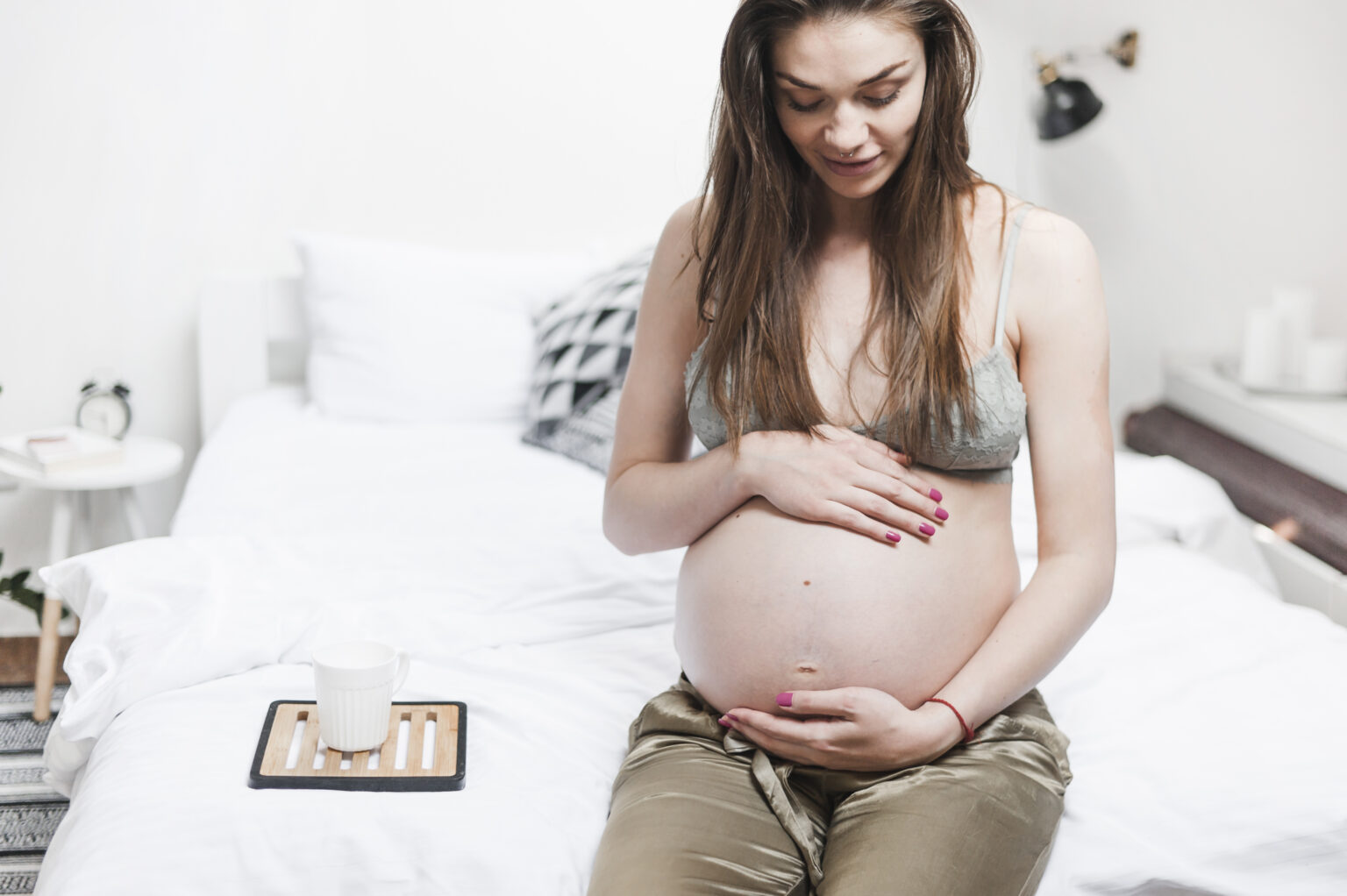
A missed period is the most recognized early sign of pregnancy. However, it is not always reliable by itself. Pakistani women often experience irregular cycles due to PCOS, thyroid dysfunction, stress, travel, night shifts or sudden weight changes. If your period is more than 7 days late, you should take a home pregnancy test. If you have PCOS, you may need a blood test (β-hCG) earlier because your cycle is unpredictable.
Implantation Cramping: When Mild Pain Actually Means Something More
Implantation occurs when the fertilized egg attaches to the uterine lining usually 6 to 10 days after ovulation. This can cause mild, pulling or tingling cramps much lighter than period cramps. If the cramping is sharp, one sided or accompanied by heavy bleeding, that is not implantation, seek medical help.
Implantation Bleeding: The Spotting That’s Often Misunderstood
According to CDC data, 15 to 25% of women experience implantation bleeding. It appears as light, brown, pink or very mild red spotting lasting 1 to 2 days. Heavy bleeding or clots are not normal in early pregnancy and require urgent evaluation to rule out miscarriage or ectopic pregnancy.
Breast Tenderness & Swelling: Why Your Body Feels Different So Early
In early pregnancy, estrogen and progesterone rise sharply. This causes heaviness, tingling and tenderness often more intense than PMS discomfort. The nipples may darken or become more sensitive. This symptom usually appears around the time of the missed period.
Extreme Fatigue: When Tiredness Goes Beyond Normal Exhaustion
Many of my patients describe early pregnancy fatigue as “bone deep tiredness.” Progesterone levels increase rapidly, making you sleepy throughout the day. For Pakistani women especially those abroad fatigue may worsen if you have undiagnosed anemia or thyroid dysfunction, both extremely common in South
Nausea & Morning Sickness: Why It Can Start Before You Expect It
The NHS confirms that 70% of women experience nausea in early pregnancy and it can start before the missed period. The nausea is typically triggered by strong smells like chai, frying oil or perfumes. Persistent vomiting more than 3 to 4 times a day may indicate hyperemesis gravidarum which is a serious condition requiring medical care.
Frequent Urination: The Early Symptom Many Women Don’t Connect to Pregnancy
Hormones increase blood flow to your kidneys, causing you to urinate more frequently. Unlike a UTI, pregnancy urination doesn’t cause burning, pain or fever.
Food Cravings & Aversions: When Taste Suddenly Changes Overnight
Many women suddenly dislike foods they normally love. In Pakistani women, aversion to chai, eggs, oily food, qorma or strong spices is extremely common. Some develop cravings for sour foods or cold drinks and some crave sweets.
Less Common but Medically Important Early Pregnancy Symptoms
Mood Swings & Anxiety: The Emotional Clues Your Hormones Are Shifting
You may feel unusually emotional, sensitive or anxious due to hormonal fluctuations. Overseas women often experience intensified symptoms because they lack family support.
Mild Headaches: A Subtle Sign Your Body Is Adjusting
Early pregnancy increases blood volume, which can trigger headaches especially if your water intake is low.
Constipation & Bloating: Early Digestive Changes No One Talks About
Progesterone slows digestion, causing fullness and constipation. Many mistake this for PMS.
Heightened Sense of Smell: Why Ordinary Scents Suddenly Feel Overwhelming
Sudden nausea from everyday smells such as frying onions, perfumes or toothpaste is a classic, though less common early pregnancy sign.
Special Considerations for Overseas Pakistani Women
If you live abroad, your environment affects your symptoms. Long shifts in healthcare, hospitality or corporate work increase fatigue. Vitamin D deficiency is extremely common in the UK, Canada and Middle East due to indoor lifestyles. Irregular meals worsen nausea and many women abroad feel emotionally overwhelmed without family support. These factors make early symptoms stronger and often harder to interpret.


Red Flags You Must Never Ignore: When Symptoms Signal Danger!
The following symptoms require immediate medical attention:
- Heavy bleeding with clots
- Severe one sided pelvic pain, possible ectopic pregnancy
- Fainting or severe dizziness
- Persistent vomiting unable to keep fluids down
- High fever
- Severe pelvic or abdominal pain
Never ignore red flags. Early diagnosis can save your life.
Why Are Early Pregnancy Symptoms So Confusing? And Often Misread
Many factors mimic pregnancy. PCOS causes irregular cycles, stress delays ovulation, thyroid issues cause fatigue and breast tenderness, travel disrupts hormones and stopping birth control pills causes temporary symptoms. This is why testing is essential.
What Happens If Early Pregnancy Signs Are Ignored
Missing early pregnancy signs can lead to serious risks:
- Delay in starting folic acid increases risk of neural tube defects
- Untreated PCOS or thyroid disease makes miscarriage risk increase
- Severe anemia goes unnoticed which impacts baby’s growth
- Exposure to unsafe medications
- Missing early ultrasound can lead to ectopic pregnancy risk
- Late diagnosis of gestational diabetes
- Emotional stress and guilt later
Early awareness means early protection.

STEP BY STEP: WHAT TO DO IF YOU SUSPECT PREGNANCY
- Take a home pregnancy test.
- Stop all unsafe medications immediately.
- Starting folic acid only after doctor approval, it is very important.
- Drink more water and eat clean meals.
- Monitor any spotting.
- Avoid heavy lifting or strenuous exercise.
- Book a doctor appointment within 7 days.
- If overseas, schedule a virtual consultation.
Important Medical Disclaimer You Should Read First
This guide is for educational purposes only. Do not start any supplement, medicine, folic acid or herbal remedy without consulting your gynecologist. Every woman is different, always seek personalized medical advice.
Early Pregnancy Tests Explained: Accuracy, Timing & What Results Really Mean
Test Type | Accuracy | Best Time | Why It Matters |
Home Urine Pregnancy Test | 97 to 99% | After missed period | Fast, inexpensive and widely available |
Blood Test (β-hCG) | 100% | 7 to 10 days post-conception | Detects very early pregnancy |
Ultrasound | 99% | 5 to 6 weeks | Confirms viability + rules out ectopic |
Still Unsure? Here’s How to Get the Right Medical Help Safely & Confidentially
If you’re experiencing early pregnancy symptoms, even mild ones book an online consultation now.
I open only a limited number of weekly slots so each patient receives complete attention.
These slots fill fast, especially for overseas women.
Book Your Consultation Before This Week’s Slots Close
- Your journey matters.
- Your safety matters.
- Your peace of mind matters.
Is brown spotting normal?
Light brown spotting can be implantation bleeding. Heavy bleeding is not normal.
How soon can a pregnancy test be positive?
Blood tests detect pregnancy 7 to 10 days after conception; urine tests after a missed period.
When does nausea start?
Typically around 4 to 6 weeks but some women experience it earlier.
Can PCOS delay symptoms?
Yes. PCOS causes delayed ovulation making symptoms appear later.
Schedule
An Appointment
If you are in need of medical assistance, whether it be for a routine checkup or for a specific medical concern contact us.

Schedule
An Appointment
If you are in need of medical assistance, whether it be for a routine checkup or for a specific medical concern contact us.
Join Our Growing Online
Community
Stay connected with Dr. Rafiya Zahir and become part of an engaging community committed to women’s healthcare in Pakistan by joining us on various social media platforms.